

The Unsung Hero: Mastering Your Lab with the Perfect Laboratory Spatula

In the bustling world of a laboratory, where complex experiments and precise measurements take center stage, it’s easy to overlook the simpler, yet utterly indispensable tools. One such unassuming hero is the laboratory spatula. We often take it for granted, but trust me, understanding this versatile instrument can significantly elevate your lab efficiency and safety. Today, we’re going to dive deep into everything you need to know about the humble, yet mighty, lab spatula.
What Exactly is a Laboratory Spatula?
When we hear “spatula,” our minds might first conjure images of flipping pancakes in the kitchen. But a laboratory spatula is a different beast altogether. While it shares the basic function of lifting, scraping, or spreading, its design is meticulously crafted for the unique demands of scientific work. Typically made from materials like stainless steel or specialized plastics, these spatulas are designed for precision, chemical resistance, and ease of cleaning. Think of it as the ultimate multi-tool for handling everything from delicate powders to viscous slurries in a controlled environment.
The Many Faces: Types of Laboratory Spatulas You Need to Know
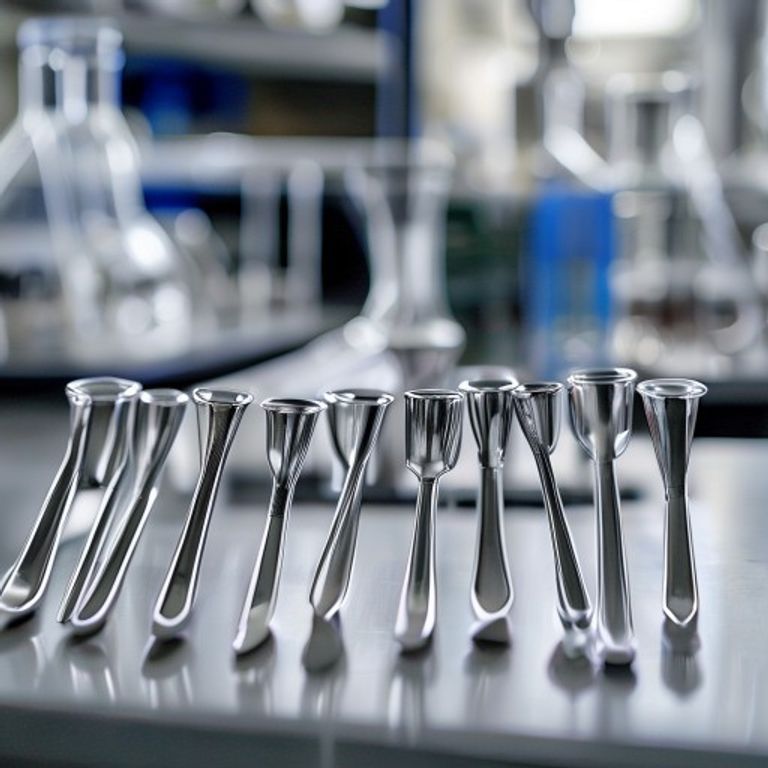
Just like a chef has a range of knives, we in the lab benefit from a variety of spatulas, each suited for a specific task. Knowing your options is key to unlocking lab efficiency with various laboratory spatula types.
- Flat Blade Spatulas: These are probably what comes to mind first. With a simple, flat blade, they’re excellent for scraping solids off surfaces, transferring small amounts of powder, or breaking up aggregates.
- Spoon-Ended Spatulas (Scoopulas): Often featuring a flat blade on one end and a small spoon or scoop on the other, these are incredibly versatile. The spoon end is perfect for scooping up granules or powders, functioning like a small lab scoop, while the flat end handles scraping.
- Micro Spatulas: For those super-precise tasks where even a tiny gram makes a difference, the spatula micro scoop for laboratory use is invaluable. These delicate instruments allow us to handle minute quantities of substances with extreme accuracy. They are often thin and flexible.
- Flexible Spatulas: Made from thinner metal or plastic, these are great for working with viscous materials or scraping the sides of beakers and flasks without scratching.
- Double-Ended Spatulas: Many spatulas come with different tools on each end – a spoon and a flat blade, two different size spoons, or a spoon and a paddle. This maximizes their utility.
Choosing Your Champion: Selecting the Best Spatula for the Task
Picking the right spatula isn’t just about aesthetics; it’s about performance and safety. When we consider the best spatula for chemical powders, for instance, several factors come into play:
- Material Matters: Most lab spatulas are stainless steel due to its durability, corrosion resistance, and ease of sterilization. However, for highly corrosive chemicals or applications requiring non-metallic contact, spatulas made from specialized plastics like PTFE (Teflon) are essential. When dealing with high temperatures, you’ll need a laboratory spatula material high temperature resistant, which again often points to high-grade stainless steel or even ceramic-coated options.
- Size and Shape: Consider the container you’re working with. A long, thin spatula might be perfect for reaching into a test tube, while a wider scoopula is better for transferring bulk powder from a large bottle. For stirring liquids, a longer, sturdy spatula can also double as a makeshift stirring rod.
- Chemical Compatibility: Always ensure the spatula material is compatible with the chemicals you’re handling. This prevents contamination and premature degradation of your equipment.
Keeping It Pristine: Effective Cleaning and Care for Your Lab Spatulas
A dirty spatula is a contaminated experiment waiting to happen. Therefore, knowing how to clean lab spatulas effectively is just as important as choosing the right one. Proper cleaning extends the life of your tools and, more critically, prevents cross-contamination.
Here’s a simple routine we can follow:
- Immediate Rinse: Right after use, rinse the spatula under running water to remove loose residues.
- Wash with Detergent: Use a laboratory-grade detergent and a brush to thoroughly scrub all surfaces.
- Rinse Thoroughly: Rinse again with distilled or deionized water to remove all traces of detergent.
- Dry: Air dry or use a lint-free cloth. Ensure it’s completely dry before storage to prevent corrosion.
- Sterilization (if needed): For sensitive applications, sterilize the spatula using an autoclave or appropriate chemical sterilization methods.
Think of it like this: just as a surgeon wouldn’t reuse a scalpel without sterilization, we should treat our lab spatulas with similar respect for cleanliness.
Conclusion
From micro-scooping precious reagents to deftly transferring bulk powders, the laboratory spatula truly is an unsung hero of the lab bench. By understanding the different types of spatulas used in labs, selecting the appropriate material for the task, and maintaining them with meticulous care, we can ensure our experiments are precise, safe, and efficient. So next time you reach for that humble piece of lab equipment, remember its power and choose wisely!
Frequently Asked Questions (FAQ)
Q: Can I use a kitchen spatula in the lab?
A: We strongly advise against it. Kitchen spatulas are typically not made from laboratory-grade materials, lack the necessary precision, and may not withstand harsh chemicals or sterilization processes, leading to contamination or equipment damage.
Q: What is a spatula micro scoop used for?
A: A spatula micro scoop for laboratory use is designed for handling extremely small quantities of solid chemicals, often in the milligram range. Its fine tip and small scoop allow for precise measurement and transfer of delicate powders.
Q: How do I know if my spatula is safe for high temperatures?
A: Most stainless steel spatulas are suitable for moderate high temperatures (e.g., in a drying oven). For very high temperatures (like directly over a flame), ensure it’s made from high-grade stainless steel or a ceramic material specifically rated for such conditions. Always check the manufacturer’s specifications for your specific laboratory spatula material high temperature tolerance.
Q: Why is stainless steel common for lab spatulas?
A: Stainless steel is preferred because it’s durable, resistant to corrosion from many common lab chemicals, easy to clean and sterilize, and relatively inert, meaning it won’t react with most substances we handle.