


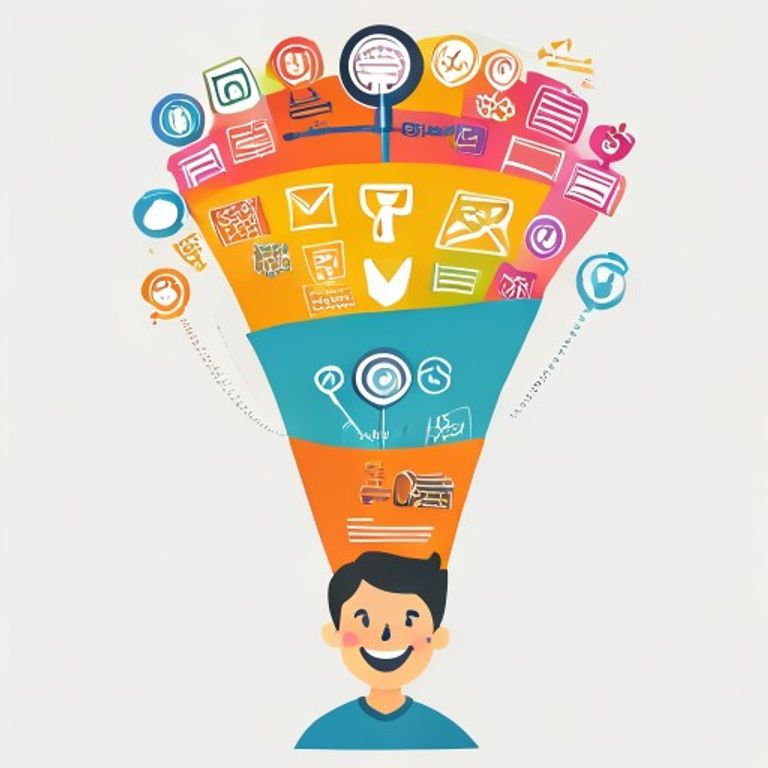
The Funnel Function: Your Ultimate Guide to Building a Business Growth Machine

Ever wondered how businesses consistently turn strangers into loyal customers? It’s not magic, it’s strategy! And at the heart of that strategy lies what we call the funnel function. Think of it like a real-world funnel you might use in the kitchen – wide at the top to catch a lot, and narrow at the bottom to direct everything into a specific container. In the business world, our “funnel” catches potential customers and guides them towards making a purchase.
Today, we’re going to dive deep into what the function of a marketing funnel really is, why it’s absolutely essential for any business looking to grow, and how we can effectively build and optimize our own. Forget the jargon; we’ll talk about practical steps you can take to understand and leverage this powerful concept.
What Exactly is a Marketing Funnel? (And Its Core Function)
At its core, a marketing funnel, or sales funnel, is simply a visual representation of the path a potential customer takes from their very first interaction with your brand until they complete a desired action, like making a purchase. The primary function of a marketing funnel is to systematically attract, qualify, and convert prospects into customers. It’s about leading someone from merely being “aware” of you, through “consideration,” and finally to “decision.”
Without a clear funnel function, our marketing efforts can feel a bit like throwing spaghetti at a wall – some might stick, but we won’t know why, or how to do it consistently. A well-defined funnel ensures we have a structured approach to lead generation and customer acquisition, making our efforts far more efficient and measurable.
Understanding the Customer Journey Funnel Stages
To truly master the funnel function, we need to understand the different stages our customers go through. While names can vary, the general flow remains consistent. Let’s break down these crucial customer journey funnel stages:
Top of the Funnel (ToFu): Awareness
This is the widest part of our funnel, where we cast a wide net to attract as many potential prospects as possible. People at this stage might not even know they have a problem, or they’re just starting to research it. Our goal here is to create awareness and capture attention. Think blog posts, social media content, ads, and SEO – content that solves a general problem or introduces a concept without being overly promotional.
Middle of the Funnel (MoFu): Interest & Consideration
Once prospects are aware of us, they move to the middle. They’ve shown some interest and are now actively considering solutions, possibly even ours. Here, our function is to nurture these prospects, educate them, and build trust. Content like detailed guides, webinars, case studies, or email sequences work great. We’re providing value, answering questions, and positioning ourselves as experts.
Bottom of the Funnel (BoFu): Decision & Conversion
This is the narrowest part, where prospects are ready to make a decision. They know their problem, they understand the solutions, and they’re comparing options. Our goal here is to push them over the finish line. This is where we introduce specific product/service pages, free trials, demos, consultations, or limited-time offers. This is the sales process in full swing.
Beyond the Funnel: Retention & Advocacy
While not traditionally part of the “funnel” itself, it’s crucial to remember that our work doesn’t stop at conversion. After a customer buys, we want to retain them and turn them into advocates. Excellent customer service, loyalty programs, and asking for referrals can keep them coming back and bring new people into the top of our funnel.
How to Build an Effective Sales Funnel: Practical Steps
Now that we know the stages, how do we put it all together? Here are the steps involved in a lead generation funnel and then turning those leads into sales:
- Define Your Target Audience: Who are you trying to reach? What are their pain points, desires, and where do they spend their time online? Knowing this helps us create relevant content for each stage.
- Attract Prospects (ToFu): Use channels like search engine optimization (SEO), social media marketing, content marketing (blogs, videos), and paid advertising to bring people in. Our aim is to generate interest and capture basic information, often through lead magnets like free e-books or checklists.
- Engage & Nurture (MoFu): Once we have their attention (and ideally their email address), we need to nurture them. Email marketing is a powerhouse here, sending valuable content that addresses their specific needs and builds rapport. Personalized content helps prospect nurturing immensely.
- Convert (BoFu): Present your offer clearly and compellingly. This could be a product page, a service description, a free consultation, or a demo. Make the buying process as smooth as possible, removing any friction. This is where conversion optimization becomes key.
- Analyze & Optimize: The funnel isn’t a “set it and forget it” system. We need to constantly track our conversion rates at each stage. Are people dropping off at the awareness stage? Or are they getting stuck at consideration? Tools like Google Analytics or your CRM can provide valuable insights. By understanding where the bottlenecks are, we can tweak our content, calls to action, or offers to improve performance and reach our customer acquisition goals more effectively.
Optimizing Conversion Rates with a Marketing Funnel
The beauty of a well-structured funnel is that it makes optimization much easier. Instead of guessing, we can pinpoint exactly where things are going wrong and apply targeted solutions. If we notice a high bounce rate on our landing page (ToFu), maybe our ad copy isn’t matching the page content. If our email open rates are low (MoFu), perhaps our subject lines need work. If people aren’t completing purchases (BoFu), maybe our checkout process is too complicated or there’s a lack of trust signals.
By focusing on small, continuous improvements at each stage, we can significantly boost our overall conversion rates, leading to more sales and better ROI from our marketing spend. It’s a bit like tuning an engine – each small adjustment contributes to a more powerful and efficient machine.
Conclusion
So, there you have it! The funnel function isn’t just a marketing buzzword; it’s a fundamental blueprint for sustainable business growth. By understanding its stages, building our own, and committing to continuous optimization, we can create a powerful system that consistently transforms curious prospects into happy, paying customers. It’s about working smarter, not harder, to build a predictable engine for success. Are you ready to optimize your funnel and watch your business thrive?
Frequently Asked Questions (FAQ)
-
Q: What is the primary goal of a marketing funnel?
A: The primary goal is to guide potential customers through a structured path, from initial awareness to becoming a paying customer, ultimately optimizing conversion rates and revenue. -
Q: How long does it take to build an effective sales funnel?
A: The initial setup can be quick, but building a truly *effective* and optimized funnel is an ongoing process of testing, analyzing, and refining. It’s more of a marathon than a sprint. -
Q: Can a small business benefit from a marketing funnel?
A: Absolutely! Small businesses can benefit immensely. Even a simple funnel can bring clarity to your customer acquisition strategy and help you maximize limited resources. -
Q: What’s the difference between a marketing funnel and a sales funnel?
A: Often, the terms are used interchangeably. Generally, a “marketing funnel” focuses on attracting and nurturing leads, while a “sales funnel” specifically refers to the stages leads go through from becoming qualified to making a purchase. They are two sides of the same coin, often overlapping significantly.