

Your Ultimate Guide to the Glass Stirring Rod: From Lab Essentials to Smart Mixing Techniques

In the vast world of laboratory equipment, some tools grab all the spotlight – think microscopes, centrifuges, or elaborate analytical machines. But what about the unsung heroes? Those simple, yet utterly indispensable items that make our experiments possible, day in and day out? Today, we’re shining a light on one such hero: the glass stirring rod.
It might seem like just a plain stick of glass, but trust me, this humble piece of glassware is a powerhouse of utility. From mixing intricate chemical solutions to aiding in decantation, its role in countless scientific processes is undeniable. If you’ve ever found yourself in a lab, whether a professional setting or a home science project, chances are you’ve picked up one of these. We’re here to delve into everything you need to know about this essential lab supply, exploring its uses, types, and how to get the most out out of it.
What Exactly is a Glass Stirring Rod?
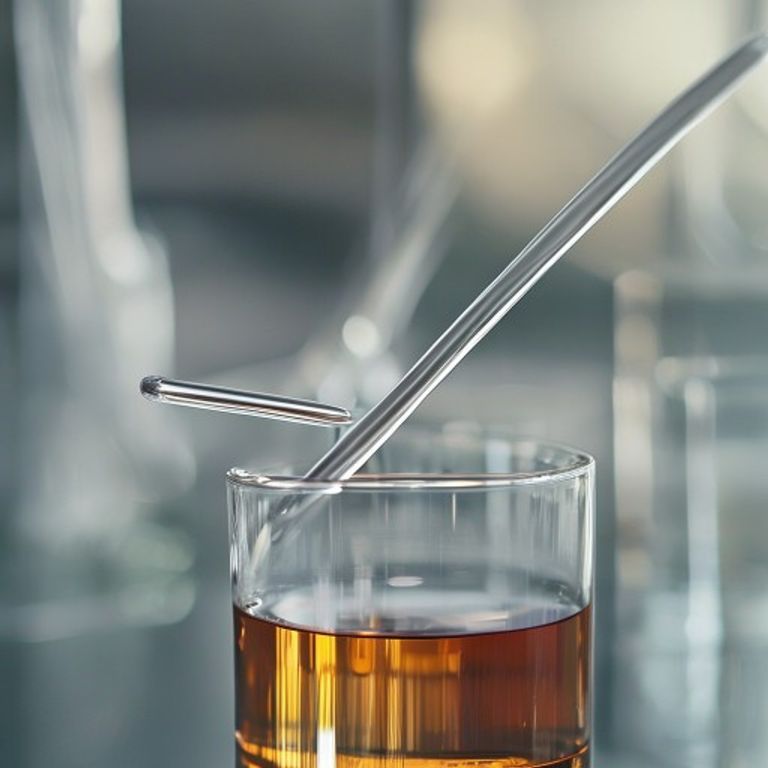
At its core, a glass stirring rod is precisely what its name suggests: a rod made of glass, designed primarily for stirring. Think of it as the chemist’s spoon! Typically, it’s a solid, cylindrical piece of glass, varying in length and diameter, with smooth, fire-polished ends. Its simplicity is its strength, offering a straightforward and effective way to agitate liquids, mix reagents, or break up precipitates in various containers like beakers and flasks.
Beyond simple stirring, this versatile utensil helps us achieve homogeneity in our solutions, promoting faster dissolution of solids and ensuring even distribution of components within a mixture. It’s a fundamental part of any lab’s basic toolkit, a true chemical mixer.
Why Glass? The Material Advantage
You might wonder, why glass? Why not plastic or metal? The choice of glass, particularly borosilicate glass in scientific research, is no accident. It’s primarily due to its remarkable properties that make it ideal for laboratory environments:
- Chemical Inertness: Glass, especially borosilicate, is highly resistant to most chemicals. This means it won’t react with the substances we’re stirring, preventing contamination or unwanted side reactions. It’s safe to use with acids, bases, and organic solvents.
- Heat Resistance: A borosilicate glass stirring rod is heat resistant, allowing us to use it in heated solutions or during processes that involve temperature changes without fear of it cracking or melting.
- Transparency: Being transparent, we can easily observe the mixing process without any obstruction, ensuring our solution is thoroughly combined.
- Ease of Cleaning: Its non-porous surface makes it easy to clean and sterilize, preventing cross-contamination between experiments.
- Durability: While not indestructible, borosilicate glass is surprisingly durable and resistant to thermal shock, making it a reliable choice for long-term lab use.
Types and Variations for Every Lab Need
While the basic form remains the same, glass stirring rods come in various shapes and sizes to suit different applications:
- Standard Cylindrical Rods: These are the most common type – plain, straight rods with smooth ends. They are excellent for general mixing and transferring. You can find a standard long glass stirring rod for beakers, perfect for reaching the bottom of taller containers.
- With Paddle End or Flattened End: Some rods feature a slightly flattened or paddle-like end. This design provides a larger surface area for more efficient stirring, especially when dealing with viscous liquids or trying to break up clumps. While not as common as mechanical stirrers, a glass stirring rod with paddle end can be quite useful for certain manual tasks.
- Different Lengths and Diameters: From short, thin rods for test tubes to longer, thicker ones for large flasks, choosing the right size is crucial for effective and safe stirring.
If you’re looking to expand your collection, many scientific supply stores offer options to buy glass stirring rod laboratory packs, ensuring you have the right tool for every task.
How to Use a Glass Stirring Rod Effectively
Using a glass stirring rod might seem intuitive, but there are a few best practices that can make your work safer and more effective:
- Gentle Stirring: When you how to use glass stirring rod, avoid vigorous stirring that could splash chemicals out of the container. Gently move the rod in a circular motion, ensuring the entire volume of liquid is being agitated.
- Preventing Contamination: Always ensure your stirring rod is clean and dry before use. After use, clean it thoroughly to prevent cross-contamination in subsequent experiments.
- Aiding Dissolution: For dissolving solids, gently press the solid against the bottom or side of the beaker with the rod while stirring. This helps break up clumps and exposes more surface area to the solvent.
- Decantation Assistant: When carefully pouring liquid from one container to another, especially to separate it from a solid precipitate, hold the stirring rod against the lip of the pouring container. This guides the liquid flow down the rod, preventing splashes and ensuring a clean transfer.
- Scraping and Transferring: Sometimes, we can use the rod to gently scrape solid residues from the sides of glassware. Just like when you’re mastering the mighty spatula in chemistry lab use for transferring solids, a stirring rod has its own set of techniques for careful manipulation.
Maintenance and Safety Tips
Taking care of your stirring rods ensures their longevity and your safety:
- Cleaning: Wash immediately after use with appropriate cleaning agents, then rinse thoroughly with distilled water.
- Inspection: Before each use, quickly inspect the rod for any chips, cracks, or rough edges. A damaged rod can break unexpectedly, causing injury or contaminating your experiment. Discard any damaged rods safely.
- Storage: Store stirring rods in a rack or a container where they won’t roll off or get easily knocked over.
Frequently Asked Questions (FAQ)
Q: Can I use a metal spoon instead of a glass stirring rod?
A: It’s strongly discouraged. Metal can react with many chemicals, leading to contamination or even dangerous reactions. Glass stirring rods are chemically inert, making them safe for most lab applications.
Q: What is the ideal length for a glass stirring rod?
A: The ideal length depends on the size of the container you’re working with. It should be long enough to reach the bottom of your beaker or flask comfortably, allowing you to stir without submerging your hand too far into the fumes or solution.
Q: How do I clean a stirring rod if chemicals are stuck to it?
A: First, try rinsing with a suitable solvent (if safe). For stubborn residues, a brush and laboratory detergent often work. Always ensure you know the hazards of the chemical before attempting to clean it.
Q: Is a glass stirring rod considered reusable?
A: Absolutely! With proper cleaning and care, glass stirring rods are durable and can be reused countless times, making them an environmentally friendly and cost-effective lab tool.
Conclusion
So there you have it – the mighty little glass stirring rod. It might be simple in design, but its importance in the laboratory cannot be overstated. From ensuring precise chemical mixtures to aiding careful transfers, this unassuming glassware accessory is a testament to how even the most basic tools are fundamental to scientific discovery.
Next time you pick one up, remember the crucial role it plays in every successful experiment. It’s not just a stick of glass; it’s an essential part of our scientific journey, helping us explore and understand the world, one perfectly stirred solution at a time. Happy experimenting!