Mastering the Vortex Mixer: Practical Tips, Best Mini Models, and Price Guide

Introduction
Ever wondered why a tiny whirlpool can make your lab work smoother? That’s the magic of a vortex mixer. Whether you’re prepping PCR samples or gently resuspending cell cultures, a vortex mixer is the unsung hero that saves time and reduces errors. In this article I’ll walk you through how to use it, which mini models shine in a cramped bench, and what to look for when you compare prices. Let’s spin into the details!
What Is a Vortex Mixer?
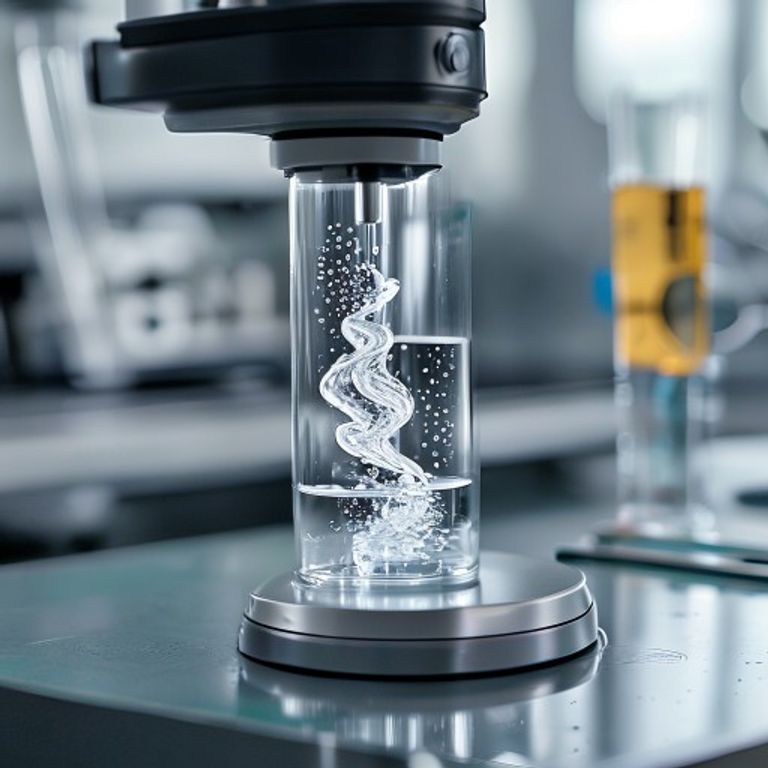
A vortex mixer is a compact laboratory agitator that creates a rapid circular motion, typically by a motor‑driven eccentric weight. The result is a swirling vortex inside your tube or flask, mixing liquids in seconds. Think of it like a miniature tornado that you can control with the push of a button.
For a deeper dive into the science behind these devices, check out Vortex Mixers Decoded: From Lab Essentials to Creative Blending – A Practical Guide. It explains the mechanics in a way that even non‑engineers can appreciate.
How to Use a Vortex Mixer – Step by Step
Using a vortex mixer is almost as easy as making a cup of coffee. Here’s a quick checklist:
- Secure the tube: Place a standard 15 mL conical tube or a microcentrifuge tube on the platform. Make sure it sits flat.
- Select speed: Most mixers have multiple speed settings. Low for delicate cell suspensions, high for viscous solutions.
- Set time: A few seconds are usually enough. Over‑mixing can introduce bubbles.
- Start the motor: Press the button and watch the liquid swirl like a mini whirlpool.
- Stop and inspect: Lift the tube, check for uniform mixing, and repeat if needed.
Pro tip: If you’re working with a sealed tube, hold it gently with a rubber grip to avoid splashes.
Choosing the Best Mini Vortex Mixer for Your Lab
Space is premium in most labs, so a mini vortex mixer can be a game‑changer. When evaluating options, consider:
- Footprint: Look for models under 5 × 5 cm.
- Speed range: A minimum of 500 rpm and a maximum of 3000 rpm covers most applications.
- Power source: Battery‑operated units add portability.
- Noise level: Quiet motors are nicer for shared workspaces.
For a comprehensive comparison, I recommend reading Your Ultimate Guide to Vortex Mixers: From Lab Essentials to Everyday Applications. It breaks down the top models, including their pros and cons.
Vortex Mixer for Cell Culture
Cell culture demands gentle yet effective mixing. A vortex can help resuspend cell pellets without damaging membranes. Here’s how I do it:
- Keep the tube on ice to protect temperature‑sensitive cells.
- Use the lowest speed setting (around 500 rpm).
- Mix for 5–10 seconds, pause, then gently flick the tube to break clumps.
This method gives a uniform suspension while keeping shear stress low.
Price Comparison & Portable Vortex Mixer Reviews
Prices vary widely, from $30 for a basic bench model to $200+ for a feature‑rich portable unit. Below is a quick snapshot:
- Basic bench model: $30‑$50 – good for routine mixing, limited speed options.
- Mid‑range mini mixer: $80‑$120 – compact, multiple speeds, optional timer.
- Portable battery‑powered: $150‑$200 – ideal for field work or teaching labs.
When budgeting, factor in accessories like tube holders and spare batteries. Reading user reviews on lab forums can also reveal hidden strengths or quirks.
Maintenance & Troubleshooting
Keeping your vortex mixer humming smoothly is simple:
- Clean the platform: Wipe with 70% ethanol after each use.
- Check the motor: Listen for unusual noises; they may indicate worn bearings.
- Calibrate speed: Some models let you verify rpm with a laser tachometer.
If the mixer stops, first ensure the power cord is secure. For battery units, replace or recharge the batteries.
Conclusion
A vortex mixer might look like a tiny gadget, but its impact on lab efficiency is huge. By mastering the proper technique, picking the right mini model, and staying on top of maintenance, you’ll get consistent, reproducible results every time. Happy mixing!
FAQ
Q: Can I use a vortex mixer with glass bottles?
A: Most vortex mixers are designed for tubes and small containers. Using a large glass bottle can unbalance the motor and cause damage.
Q: How long should I mix a viscous solution?
A: Start with 10‑15 seconds at a high speed, then check consistency. Viscous liquids may need longer but avoid overheating.
Q: Is a vortex mixer safe for hazardous chemicals?
A: Yes, as long as the container is sealed and the mixer’s platform is resistant to the chemical vapors. Always follow your lab’s safety protocols.
Q: Do portable vortex mixers need calibration?
A: It’s a good practice to verify the speed periodically, especially if you rely on precise mixing times for sensitive assays.
Q: What’s the difference between a vortex mixer and a test tube shaker?
A: A vortex mixer creates a rapid circular motion within the tube, while a test tube shaker moves the entire tube back and forth. Vortex mixers are faster for small volumes; shakers are better for larger, bulk mixing.