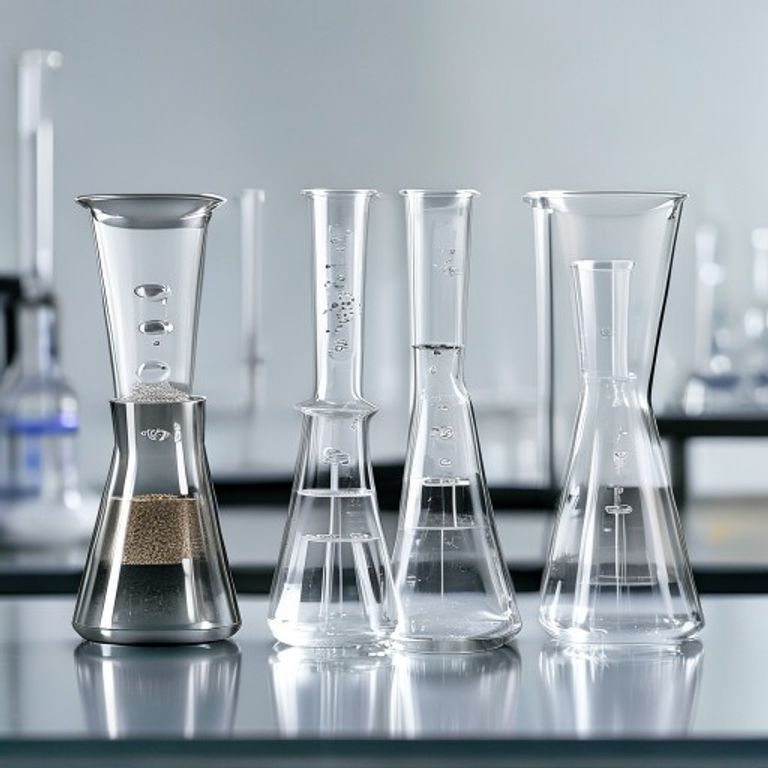
The Ultimate Guide to Choosing the Right Laboratory Funnel for Every Lab Task

Introduction
When I first set up my bench, I quickly realized that a good funnel is as essential as a beaker or a pipette. Whether you’re filtering a solution, transferring chemicals, or separating liquids, the right laboratory funnel can save time, reduce waste, and keep your workspace safe. In this article, I’ll walk you through the different types of funnels—stainless steel, glass, and plastic—explain their specific uses, and give you practical tips on how to pick the perfect one for your experiments.
Why the Funnel Matters in Lab Work
Think of a funnel as the “traffic controller” for liquids. It directs the flow, prevents spills, and often acts as the first line of filtration. A poorly chosen funnel can cause clogging, contamination, or even breakage, which means you’ll spend more time cleaning up than actually experimenting.
1. Stainless Steel Laboratory Funnel for Filtration
Stainless steel funnels are the heavy‑duty trucks of the lab world. They are:
- Highly resistant to acids, bases, and organic solvents.
- Durable enough to withstand high temperatures (up to 300 °C).
- Easy to clean—just a quick rinse or a brief soak in a detergent solution.
If you frequently filter hot solutions or work with corrosive reagents, a stainless steel funnel is your best bet. Pair it with a sintered metal filter disc for a seamless filtration process.
2. Glass Funnel with Stem for Laboratory Use
Glass funnels are the classic choice for most routine tasks. The stem (or “tube”) helps you fit the funnel onto narrow-necked flasks or bottles without spilling. Benefits include:
- Transparency—so you can see the liquid level at all times.
- Inertness to most chemicals (except strong hydrofluoric acid).
- Ability to be heated directly over a Bunsen burner.
When you need to observe the filtration progress or work with delicate glassware, a glass funnel with a stem is the way to go.
3. Plastic Laboratory Funnel for Chemical Transfer
Plastic funnels, usually made from polypropylene (PP) or polyethylene (PE), are lightweight and inexpensive. They are ideal for:
- Transferring non‑reactive liquids such as water, ethanol, or buffer solutions.
- Situations where you want to avoid breakage—plastic won’t shatter if dropped.
- Single‑use or disposable applications to prevent cross‑contamination.
Just remember that plastic can deform under high heat and may not be suitable for strong solvents like dichloromethane.
4. Wide‑Mouth Laboratory Funnel Specifications
A wide‑mouth funnel (typically 100 mm or larger) is perfect for handling powders, viscous liquids, or large volumes. Key specs to watch for:
- Opening diameter: Larger openings reduce clogging when filtering slurries.
- Material thickness: Thicker walls add strength, especially for metal funnels.
- Stem length: Longer stems fit deeper containers, while short stems are better for wide‑bored flasks.
Choosing the right size can prevent the dreaded “funnel overflow” that many of us have experienced during a rushed experiment.
5. Funnel for Separating Liquids in a Lab Setting
When you need to separate immiscible liquids (like oil and water), a separatory funnel is the star player. It features a stopcock at the bottom, allowing you to drain one layer while retaining the other. Although not a “funnel” in the traditional sense, it shares the same principle of guiding fluids safely.
Practical Tips for Using Funnels Effectively
- Pre‑wet the filter paper: This prevents the paper from tearing and ensures even flow.
- Use a funnel stand: A simple ring or stand keeps the funnel steady and frees up your hands.
- Never force a funnel into a narrow neck: For tight connections, consider a funnel with a tapered stem or use a silicone adapter.
- Clean promptly: Residues can harden and become difficult to remove, especially with metal funnels.
Integrating Funnel Choice with Overall Lab Safety
Choosing the right funnel is just one piece of the safety puzzle. For a holistic approach, check out our test tube function guide to learn how proper handling of other glassware complements your funnel use. Additionally, keep a laboratory spill kit nearby—accidental spills happen, and a quick response can prevent larger incidents.
Conclusion
In my experience, the “one‑size‑fits‑all” funnel myth is just that—a myth. By matching the material, size, and design of the funnel to the specific task, you’ll improve efficiency, reduce breakage, and keep your bench tidy. Whether you opt for a rugged stainless steel funnel for hot filtration, a clear glass funnel for visual control, or a cheap plastic funnel for quick transfers, the right choice makes a noticeable difference in everyday lab work.
FAQ
Q: Can I use a glass funnel for hot filtration?
A: Yes, but only if the glass is heat‑resistant (e.g., borosilicate) and you avoid sudden temperature changes that could cause cracking.
Q: How do I know when to replace a funnel?
A: Look for cracks, corrosion (in metal), or permanent stains that cannot be removed. A compromised funnel can contaminate samples.
Q: Is a plastic funnel safe for organic solvents?
A: Generally, polypropylene works with many solvents, but strong solvents like chloroform or dichloromethane can degrade the plastic. Check the manufacturer’s compatibility chart.
Q: What’s the advantage of a funnel with a built‑in filter holder?
A: It simplifies the setup, reduces the number of components, and minimizes the risk of the filter paper slipping out during filtration.
Q: Can I sterilize a stainless steel funnel?
A: Absolutely—autoclave or soak it in a 10% bleach solution, then rinse thoroughly.