

Unraveling the Lab’s Unsung Hero: Essential Wire Gauze Uses You Need to Know

In the bustling world of chemistry and scientific discovery, sometimes it’s the simplest tools that are the most indispensable. Today, we’re going to shine a spotlight on one such item, often overlooked but absolutely crucial: the wire gauze. You’ve probably seen it – that square mesh of wire, usually with a ceramic center – sitting patiently in your lab kit or on a tripod stand. But have you ever really stopped to think about all the amazing wire gauze uses that make our experiments safer and more effective?
If you’re wondering “what is wire gauze used for in the lab?” or pondering the “purpose of wire gauze in laboratory experiments,” you’re in the right place. We’ll explore its primary functions, practical applications, and even share some tips on how to use it like a pro. Think of it as the sturdy, reliable friend that ensures your delicate glassware doesn’t crack under pressure, quite literally!
What Exactly is Wire Gauze? A Quick Look
Before we dive into its myriad uses, let’s briefly define what we’re talking about. Wire gauze is essentially a thin sheet of metal wire, usually iron or stainless steel, woven into a mesh. Most commonly, it features a circular ceramic or asbestos-free fibrous center. This ceramic center is the real MVP here; it helps distribute heat evenly and prevents direct contact between the flame and your glassware.
It’s a foundational piece of laboratory equipment, often used in conjunction with a Bunsen burner and a tripod stand, forming a mini “heating station” for various chemical reactions.
The Main Event: Primary Wire Gauze Uses in the Lab
When we talk about wire gauze, two main applications immediately come to mind:
1. Even Heat Distribution for Controlled Heating
Imagine trying to cook soup over a tiny candle flame directly touching the bottom of your pot. You’d get a super hot spot right there, and the rest would stay cold, possibly even burning the bottom. That’s kind of what would happen if you directly heated a beaker or flask with a Bunsen burner flame. The localized, intense heat could cause the glass to crack or shatter due to thermal shock.
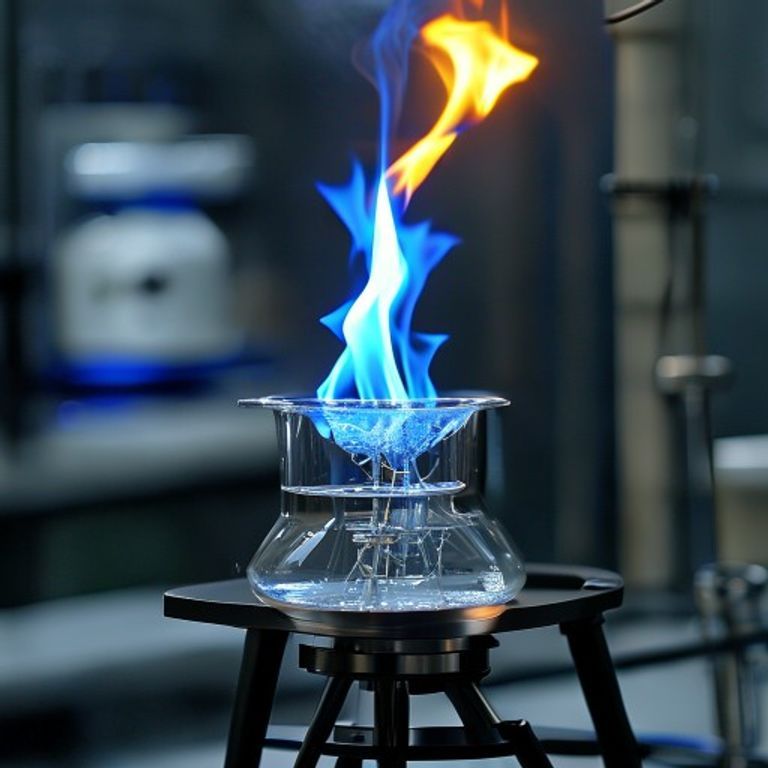
This is where the wire gauze shines. When you place it on a tripod stand and heat it from below with a Bunsen burner, the ceramic center acts like a diffuser. It absorbs the direct, concentrated flame heat and then radiates it across the entire bottom surface of your glassware. This ensures that the contents of your beaker or flask heat up gradually and uniformly, preventing localized scorching and protecting your valuable lab equipment. It’s like putting a heat spreader on your stove burner!
2. Stable Support for Glassware
Another crucial role of wire gauze is providing a stable platform for glassware. Think about it: you can’t just balance a round-bottom flask directly on a tripod stand’s narrow ring. It would be wobbly and prone to tipping over. The wire gauze creates a flat, secure surface that supports various types of glassware support, such as beakers, conical flasks, and evaporating dishes, allowing them to rest safely above the heat source. This stability is paramount for safety and precision in any experiment.
How to Use Wire Gauze with a Bunsen Burner: A Practical Guide
Using wire gauze is straightforward, but doing it correctly is key to safety and experimental success. Here’s a simple step-by-step process:
- Set up Your Tripod Stand: Place your tripod stand on a stable, heat-resistant surface.
- Position the Wire Gauze: Carefully place the wire gauze on top of the tripod stand’s ring. Make sure it sits flat and is securely balanced.
- Place Your Glassware: Now, you can safely place your beaker, flask, or other laboratory equipment containing your experimental solution directly onto the wire gauze. The ceramic center should ideally be underneath the bulk of your glassware’s base.
- Introduce the Bunsen Burner: Position your Bunsen burner underneath the tripod stand and wire gauze. Adjust the flame to the desired intensity, ensuring it heats the ceramic center of the gauze, which will then transfer heat to your glassware.
Following these steps ensures proper “heating apparatus” setup and allows for controlled and safe heating.
Benefits of Using Wire Gauze on a Tripod Stand
The advantages of this simple setup are numerous:
- Enhanced Safety: Reduces the risk of glassware shattering from direct flame contact.
- Uniform Heating: Ensures your solutions heat evenly, leading to more accurate experimental results.
- Stability: Provides a secure base for round-bottomed or otherwise unstable glassware.
- Versatility: Can be used for heating, boiling, evaporating, and even as a temporary cooling surface after heating.
Different Applications of Wire Gauze in Chemistry Labs
While heating and support are its primary roles, the wire gauze has a few other tricks up its sleeve. We often use it for:
- Boiling Liquids: A common application for heating solvents or solutions to their boiling points.
- Evaporation: Gently heating a solution to evaporate a solvent, leaving behind a solute.
- Distillation Setups: As part of a larger heating apparatus, it can support the distillation flask.
- Temporary Cooling: After heating, you can remove the Bunsen burner and let the glassware cool down on the gauze, which continues to provide support.
FAQs About Wire Gauze Uses
Q: What is wire gauze used for in the lab?
A: Wire gauze is primarily used in the lab to provide stable support for glassware during heating and to distribute the heat from a Bunsen burner evenly across the bottom of the glassware, preventing thermal shock and localized overheating.
Q: What is the purpose of wire gauze in laboratory experiments?
A: The main purpose is twofold: to offer a flat, secure platform for beakers and flasks on a tripod stand, and to ensure uniform heat transfer when a Bunsen burner is used, crucial for safe and accurate heating processes.
Q: How do you use wire gauze with a Bunsen burner?
A: You place the wire gauze on top of a tripod stand. Then, you set your glassware (e.g., a beaker) containing the substance to be heated onto the wire gauze. Finally, you position the Bunsen burner underneath the gauze and light it, allowing the flame to heat the gauze’s ceramic center, which then diffuses heat to the glassware.
Q: What are the benefits of using wire gauze on a tripod stand?
A: The benefits include increased safety by preventing glassware breakage, ensuring even and controlled heating of substances, and providing robust stability for various types of lab glassware during experiments.
Q: What are different applications of wire gauze in chemistry labs?
A: Beyond general heating, it’s used for boiling liquids, evaporating solvents, supporting glassware in distillation setups, and even as a stable surface for glassware to cool down after being heated.
Conclusion
So, there you have it. The humble wire gauze, often just a silent fixture in the lab, plays a monumental role in ensuring the success and safety of countless experiments. It might not be the most high-tech piece of laboratory equipment, but its ability to provide stable glassware support and perfectly distribute heat makes it an unsung hero. Next time you’re in the lab and reach for that familiar mesh, you’ll know you’re holding a powerful tool for precision and safety. Keep experimenting, and keep it safe!