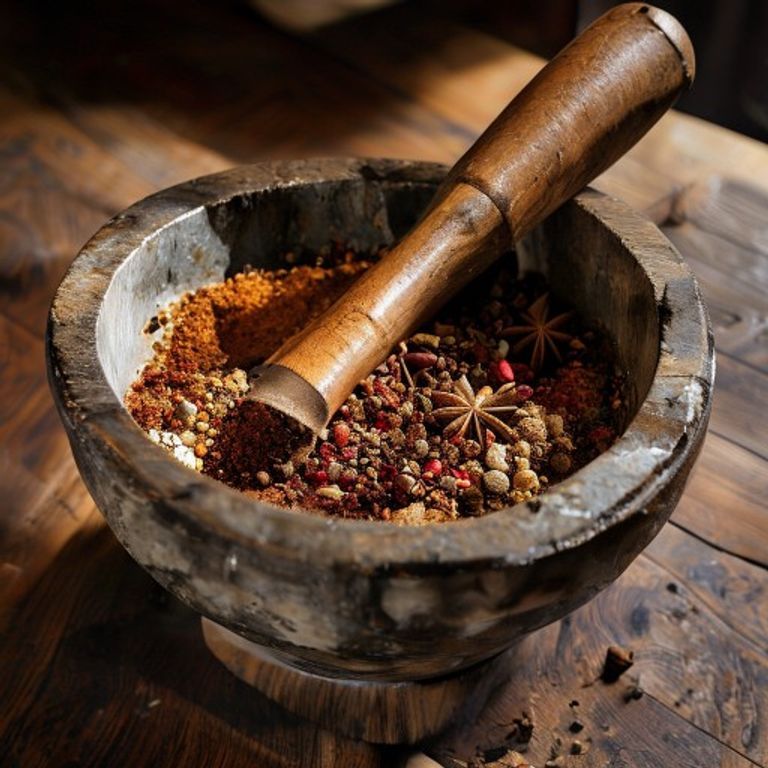
Unlocking Flavor & Power: Your Essential Guide to What is a Mortar and Pestle

Ever found yourself looking at a beautifully textured pesto or a perfectly ground spice blend and wondered how it was made? Chances are, a timeless duo known as the mortar and pestle played a starring role. For centuries, this simple yet incredibly effective tool has been a staple in kitchens, apothecaries, and laboratories around the world. It’s more than just two pieces of equipment; it’s a gateway to unlocking deeper flavors, creating precise textures, and connecting with ancient traditions.
Today, we’re going to dive deep into the world of the mortar and pestle. We’ll explore exactly what it is, why it remains so indispensable even in our high-tech world, how to use it like a pro, the different materials it comes in, its fascinating origins, and even the best ways to keep it clean. So, let’s get crushing!
What Exactly is a Mortar and Pestle?
At its core, a mortar and pestle is a tool used to crush, grind, and mix substances. Imagine it as a sturdy bowl (the mortar) and a heavy club-like object (the pestle). The mortar is typically a robust, thick-walled bowl, often made from hard, non-porous materials. The pestle is a handheld tool, designed to fit comfortably in your hand, with a blunt, rounded end used to press and rotate against the ingredients inside the mortar.
The magic happens when you use the pestle to apply pressure and a circular motion against the ingredients in the mortar. This action breaks down solid substances, releasing their essential oils, aromas, and flavors much more effectively than slicing or chopping. It’s a process of mechanical reduction, transforming everything from whole spices to fresh herbs into pastes, powders, or fine grinds.
The Purpose Behind the Grind: Why Do We Use Them?
So, what is the purpose of a mortar and pestle when we have electric grinders and food processors? It all comes down to control, texture, and flavor extraction. Here’s why we love them:
Culinary Delights: This is where most of us encounter them. For grinding spices, it’s unparalleled. Unlike a blade grinder that chops, a mortar and pestle truly grinds, releasing more volatile oils and creating a more aromatic, nuanced flavor. Think of the difference between pre-ground black pepper and freshly crushing peppercorns yourself. We use them for making fresh herb preparation like pesto, curry pastes, guacamole, and even simply mashing garlic and ginger.
Medicinal & Traditional Uses: Historically, apothecaries and pharmacists relied on mortars and pestles to grinding herbs and compounds into fine powders or tinctures. Many traditional medicine systems still employ them for precise herb preparation and compounding.
Laboratory Equipment: In scientific settings, mortars and pestles are crucial for preparing samples. They allow for the precise crushing and pulverizing of solid materials for analysis, ensuring consistent particle sizes.
The control you get over the texture, from a coarse grinding to a fine powder, is simply unmatched by electric alternatives. This makes it an essential tool for chefs and home cooks who prioritize deep flavor.
Mastering the Art: How to Use a Mortar and Pestle
Don’t be intimidated! Learning how to use a mortar and pestle is incredibly straightforward. Here’s a quick guide:
Prepare Your Ingredients: Start with smaller quantities. If you’re working with larger items like garlic cloves or whole nuts, you might want to give them a quick chop first to make the initial crushing easier.
The “Pound and Twist” Method:
- Place your ingredients in the mortar.
- Hold the pestle firmly.
- Start by gently pounding the ingredients to break them up initially. This is especially good for whole spices or anything that needs to be crushing first.
- Once broken, switch to a circular grinding motion, pressing the pestle against the sides and bottom of the mortar. You’re not just stirring; you’re applying downward pressure while rotating.
- Work the ingredients against the rough surface of the mortar.
Adjust Pressure and Speed: The beauty here is control. For a coarse grind, use less pressure and fewer rotations. For a fine powder or smooth paste, apply more pressure and continue grinding until you reach your desired consistency.
Scrape Down: Periodically, use a small spoon or spatula to scrape down any ingredients clinging to the sides of the mortar, ensuring an even grind.
Practice makes perfect! You’ll quickly get a feel for the rhythm and pressure needed for different ingredients.
A World of Materials: Different Types of Mortar and Pestle Materials
The material of your mortar and pestle significantly impacts its performance and what it’s best suited for. Let’s look at some common different types of mortar and pestle materials:
Stone (Granite, Marble, Basalt): These are often considered the gold standard. Granite, in particular, is extremely durable and heavy, providing excellent stability. Its naturally coarse, unpolished interior surface is perfect for efficient grinding and crushing, releasing maximum flavor from spices and herbs. Marble offers a slightly smoother surface, good for finer powders.
Ceramic/Porcelain: These are non-porous and very smooth, making them ideal for precise grinding of very fine powders, especially in laboratory settings where hygiene and non-reactivity are crucial. The smooth surface means less absorption of odors and flavors, making them easy to clean. However, they can be more fragile than stone.
Wood: Softer and lighter, wooden mortars and pestles are excellent for gently bruising fresh herbs or creating lighter spice blends where you don’t need a super-fine powder. They are less abrasive than stone but can absorb odors and flavors over time.
Metal (Cast Iron, Brass): Heavy and durable, metal options are great for heavy-duty crushing of very hard spices or pills. Cast iron often comes seasoned, but both can potentially react with acidic ingredients, so they require careful cleaning and maintenance.
Choosing the right material depends on your primary use. For general culinary tasks, a good quality granite set is hard to beat.
A Glimpse into the Past: Where Did Mortar and Pestle Originate?
The mortar and pestle is truly an ancient invention. To answer where did mortar and pestle originate, we have to look back thousands of years. Archaeological evidence suggests their use dates back to the Stone Age, with examples found in ancient Egypt, Greece, Rome, and various Asian cultures. Early versions were likely simple stones used to grind grains, prepare medicines, or process pigments.
They are universal tools, developed independently across different civilizations because the need for grinding and crushing was fundamental to human survival and progress. From preparing food to concocting remedies, this humble tool has been a constant companion in human development, proving its efficiency and timeless design.
Keeping It Clean: Best Way to Clean a Mortar and Pestle
Proper cleaning ensures your mortar and pestle lasts a lifetime and doesn’t transfer flavors between uses. Here’s the best way to clean a mortar and pestle:
Immediate Rinse: Right after use, rinse both pieces under warm running water. Use a stiff brush (like a dish brush) to scrub away any stuck-on bits.
Soap (with Caution): For non-porous materials like ceramic, glass, or polished stone, a little dish soap is fine. For porous materials like unpolished granite or wood, avoid soap as it can be absorbed and taint future ingredients. For these, a rinse and thorough scrub are usually sufficient.
Deep Cleaning for Porous Materials (Granite, Unsealed Stone): If you’ve ground something oily or very pungent, you might need a “rice scrub.” Grind a small amount of uncooked rice (about ¼ cup) in the mortar until it turns into a fine powder, absorbing odors and oils. Discard the rice, then rinse thoroughly. You can repeat this process with a few mint leaves or a piece of lemon rind for extra freshness.
Dry Thoroughly: Always ensure your mortar and pestle are completely dry before storing, especially wooden or unsealed stone ones, to prevent mold or mildew growth. Air dry, or wipe with a clean towel.
Seasoning (for new stone mortars): New stone mortars, especially granite, often have a sandy residue from manufacturing. Before first use, grind dry rice repeatedly, discarding the gray rice each time, until the rice remains white. This also helps smooth out any rough edges and prevents grit in your food.
Conclusion
The mortar and pestle, with its simple design and profound capabilities, truly stands the test of time. It’s a powerful tool that offers a connection to ancient culinary and medicinal practices, allowing us to unlock flavors and create textures that modern appliances simply can’t replicate. Whether you’re a seasoned chef, a passionate home cook, or someone curious about traditional methods, incorporating a mortar and pestle into your routine can elevate your creations to a whole new level. So go ahead, embrace the grind, and discover the satisfying power of this enduring kitchen essential!
FAQ
Q: Can I put a mortar and pestle in the dishwasher?
A: It depends on the material. Ceramic and glass ones are generally dishwasher safe. However, most stone (especially unpolished granite), wooden, and metal mortars and pestles should be hand-washed. The high heat and harsh detergents of a dishwasher can damage porous materials, strip seasoning from metal, or cause wood to crack.
Q: What’s the difference between a mortar and pestle and a spice grinder?
A: A spice grinder (often an electric blade grinder) chops and shatters spices, which can heat them up and dull their flavor. A mortar and pestle, through its grinding and crushing action, slowly pulverizes ingredients, releasing essential oils more effectively and creating a more aromatic, flavorful result with better texture control. Think of it as the difference between roughly chopping and finely pureeing.
Q: Is granite or ceramic better for a mortar and pestle?
A: It depends on your primary use. Granite is generally preferred for culinary tasks (spices, herbs, pastes) because its weight and rough surface provide excellent friction for efficient grinding and flavor extraction. Ceramic (or porcelain) is smoother and non-porous, making it excellent for very fine powders, laboratory work, or when you need to avoid flavor absorption, but it might not be as effective for truly crushing fibrous ingredients.