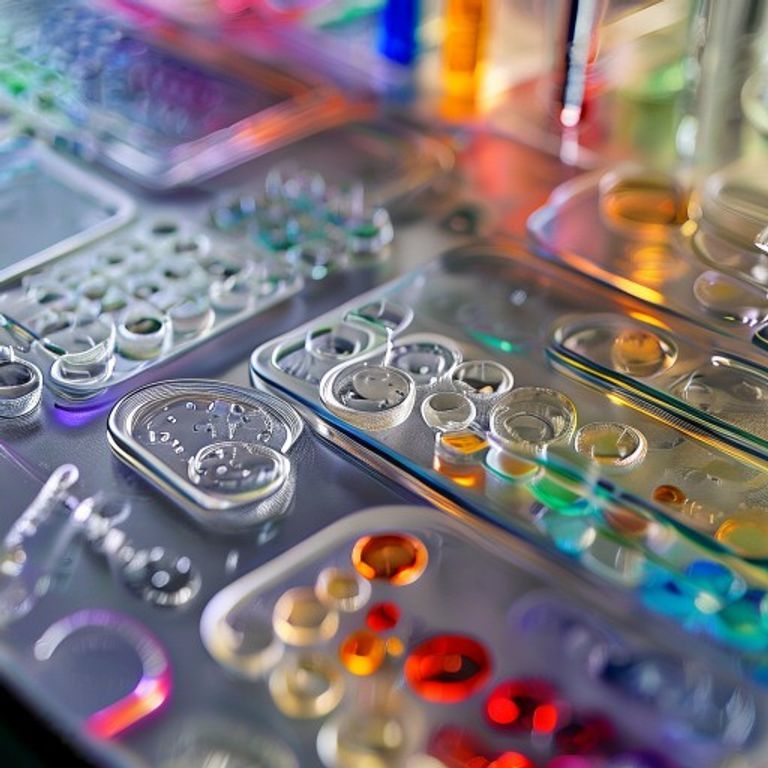
The Ultimate Guide to Spot Plates: Choosing the Right Type for Your Lab Work

Introduction
When we step into a modern laboratory, the first thing we often notice isn’t a fancy microscope or a high‑tech incubator, but the humble spot plate. This small, multi‑well tray is the unsung hero behind countless microbiology assays, enzyme screenings, and protein analyses. Yet, many of us still treat all spot plates as if they were interchangeable. In reality, picking the right spot plate—whether disposable plastic, 96‑well, reusable glass, or low‑binding—can save time, reduce errors, and even cut costs.
Why Spot Plates Matter
Think of a spot plate like a kitchen cutting board. A wooden board works great for veggies, but you’d switch to a plastic one for raw meat to avoid cross‑contamination. Similarly, the material, well count, and lid design of a spot plate dictate how well it performs in different applications.
Key Types of Spot Plates
- Disposable Plastic Spot Plate for Microbiology – Ideal for one‑time use, prevents cross‑contamination, and is cost‑effective for routine bacterial colony checks.
- 96‑Well Spot Plate for Enzyme Assays – Provides high‑throughput capability, allowing you to test dozens of samples or conditions in parallel.
- Reusable Glass Spot Plate for Chromatography – Offers chemical resistance and can be cleaned for repeated use, perfect for solvent‑intensive separations.
- Spot Plate with Lid for Sterile Testing – The lid maintains a sterile environment, essential when working with sensitive cell cultures or clinical samples.
- Low‑Binding Spot Plate for Protein Analysis – Surface treatment minimizes protein adsorption, ensuring accurate quantification.
How to Choose the Right Spot Plate for Your Application
Choosing the right spot plate is a bit like picking the right shoe for a hike—you need to consider terrain, distance, and weather. Below are practical criteria you can use:
1. Material Compatibility
Plastic plates (usually polystyrene) are great for aqueous solutions but may swell or leach with aggressive solvents. Glass plates resist most chemicals, making them the go‑to for chromatography or organic reactions.
2. Well Count and Format
If you’re running a quick bacterial spot test, a 12‑well plate is sufficient. For enzyme kinetics where you test multiple substrate concentrations, a 96‑well format dramatically speeds up data collection.
3. Sterility and Contamination Control
For sterile work, always opt for a plate that comes pre‑sterilized and includes a tight‑fitting lid. This reduces the need for a laminar flow hood for every step. Speaking of clean environments, you might also want to read Mastering Laminar Air Flow to understand how airflow impacts sterility in your lab.
4. Binding Characteristics
Proteins love to stick to surfaces. Low‑binding plates are treated with hydrophilic coatings that keep proteins in solution, which is crucial for ELISA or western blot loading.
5. Reusability vs. Disposal
Disposable plates eliminate cleaning steps but generate waste. Reusable glass plates require proper cleaning protocols—think of it like washing a reusable water bottle: you need the right brush and detergent to avoid residue.
Practical Tips for Using Spot Plates Effectively
- Label Clearly: Use waterproof markers or printed labels to avoid mix‑ups.
- Pre‑wet the Wells: For viscous samples, a quick rinse with the assay buffer improves pipetting accuracy.
- Use a Multichannel Pipette: When working with 96‑well plates, a multichannel pipette cuts your hands‑on time by up to 80%.
- Seal When Needed: If evaporation is a concern, cover the plate with a lid or adhesive film.
- Clean Glass Plates Properly: Follow a validated cleaning protocol; you might find the The Ultimate Guide to Stirring Rods useful for selecting the right cleaning tools.
Conclusion
Spot plates may look simple, but they are a pivotal part of any laboratory workflow. By matching the plate’s material, well count, and features to your specific assay—whether it’s a disposable plastic plate for microbiology or a low‑binding glass plate for protein work—you’ll boost reliability, speed, and cost‑effectiveness. Next time you reach for a spot plate, pause and ask yourself: “What’s the right plate for this experiment?” The answer will often be the difference between a successful run and a frustrating repeat.
FAQ
What is the difference between a disposable and reusable spot plate?
Disposable plates are pre‑sterilized, used once, and then discarded, minimizing contamination risk. Reusable plates, usually made of glass, can be cleaned and sterilized for multiple uses, which is more economical for high‑volume labs.
Can I use a 96‑well spot plate for bacterial colony counting?
While possible, it’s not ideal because the wells are shallow and may not accommodate solid media agar. A standard 12‑ or 24‑well plastic plate works better for colony spotting.
How do low‑binding plates improve protein assays?
The surface coating reduces nonspecific adsorption, ensuring that the measured protein concentration reflects the true amount in solution, which is critical for quantitative assays.
Do I need a lid for every spot plate?
Lids are essential when sterility or evaporation is a concern, such as during long incubations or when working with volatile reagents.
Is there a standard cleaning protocol for reusable glass spot plates?
Yes. Typically, a soak in a detergent solution, followed by rinsing with distilled water and a final sterilization step (autoclave or chemical disinfectant) is recommended.