


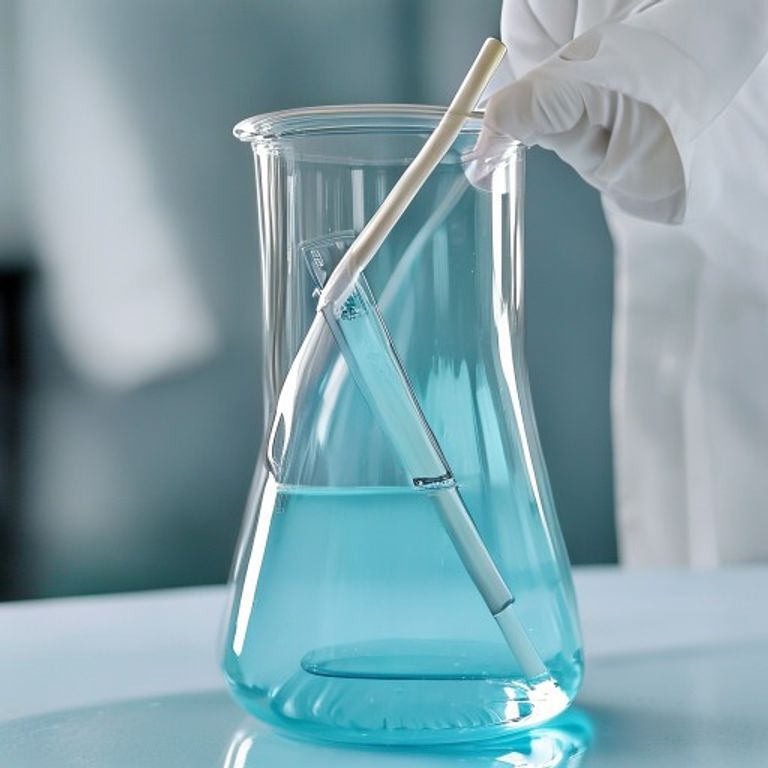
The Ultimate Guide to Erlenmeyer Flask Use: Practical Tips, Applications, and Safety

Introduction
When I first stepped into a chemistry lab, the conical shape of the Erlenmeyer flask caught my eye. It’s more than just a piece of glassware – it’s a versatile workhorse that helps us mix, heat, and store solutions safely. In this article, I’ll walk you through the most common uses of an Erlenmeyer flask, share best‑practice tips for handling it, and answer the questions that often pop up in the lab.
What Are Erlenmeyer Flasks Used For?
The classic conical flask is designed for a few key tasks:
- Mixing solutions – The narrow neck reduces splashing while you swirl the contents.
- Heating liquids – Its shape distributes heat evenly, making it ideal for gentle boiling.
- Titration – The wide base provides stability, and the neck lets you add titrants dropwise.
- Storage – With a stopper, it keeps reagents protected from moisture and contamination.
Because of these features, the Erlenmeyer flask is a staple in any laboratory glassware collection.
Proper Use of an Erlenmeyer Flask in the Lab
1. Choosing the Right Size
Never use a flask that’s too small for the volume you need. A good rule of thumb is to fill it no more than three‑quarters full. This leaves room for swirling and prevents accidental overflow when the solution boils.
2. Swirling Without Spilling
To mix without creating a mess, hold the flask by the neck, tilt it slightly, and give it a gentle circular motion. Think of it like stirring a cup of coffee – the conical walls guide the liquid back toward the center.
3. Heating Safely
When heating, place the flask on a stable hot plate or a sand bath. Avoid direct flame unless the flask is made of borosilicate glass. Start with low heat and increase gradually; this reduces the risk of thermal shock.
4. Using Stoppers and Lids
Always secure a stopper if the solution is volatile or if you need to store it for later use. Make sure the stopper fits snugly but isn’t forced, as that can crack the glass.
Erlenmeyer Flask Applications in Chemistry
Beyond the basics, the Erlenmeyer flask shines in specific procedures:
- Reflux reactions – The flask can be fitted with a condenser to allow continuous boiling without losing solvent.
- Pre‑cipitation and filtration – Its shape makes it easy to pour supernatant into a filtration setup.
- Preparing standard solutions – Pair the flask with a practical guide to precise liquid dispensing for accurate volumetric work.
Best Practices for Heating Liquids in an Erlenmeyer Flask
Heating is where many beginners make mistakes. Follow these steps to stay safe and get consistent results:
- Inspect the glass – Look for cracks or chips before applying heat.
- Use a heat‑resistant mat – This protects the bench and provides a stable surface.
- Apply heat gradually – Start low, then increase as the solution approaches the desired temperature.
- Stir occasionally – Gentle swirling prevents hot spots and promotes even heating.
- Vent if needed – For reactions that generate gases, use a vented stopper or a loose cap.
Complementary Lab Tools: When to Reach for a Funnel, Spatula, or Test Tube
While the Erlenmeyer flask handles most tasks, sometimes you need a helper. For example, transferring a viscous liquid into the flask is easier with a funnel—check out the indispensable uses of a funnel. If you need to scrape solid residues, a spatula’s role in chemistry becomes essential (spatula’s role in chemistry). And when you need to pre‑measure a small volume before moving it to the flask, a test tube is your friend (humble test tube).
FAQ
- Can I use an Erlenmeyer flask for vigorous shaking?
It’s not ideal for vigorous shaking because the narrow neck can create pressure. Use a shake flask or a round‑bottom flask with a vented cap for that purpose.
- What’s the difference between a conical flask and a beaker?
A conical flask has a tapered shape that reduces splashing, whereas a beaker has straight sides and is better for open‑air reactions.
- Is it safe to microwave an Erlenmeyer flask?
Only if the flask is labeled microwave‑safe (borosilicate). Otherwise, the rapid temperature change can cause breakage.
- How do I clean an Erlenmeyer flask after a reaction?
Rinse with distilled water, then use a brush and mild detergent. For stubborn residues, soak in a diluted acid or base, depending on the chemicals used.
Conclusion
Mastering the Erlenmeyer flask is a small but powerful step toward becoming a confident chemist. Whether you’re mixing, heating, or titrating, the key is to respect its shape, follow safety guidelines, and pair it with the right auxiliary tools. With these practical tips, you’ll get the most out of this humble piece of laboratory glassware and keep your experiments running smoothly.







