

Le guide ultime pour l'utilisation des flans Erlenmeyer: Conseils pratiques, applications et sécurité

Présentation
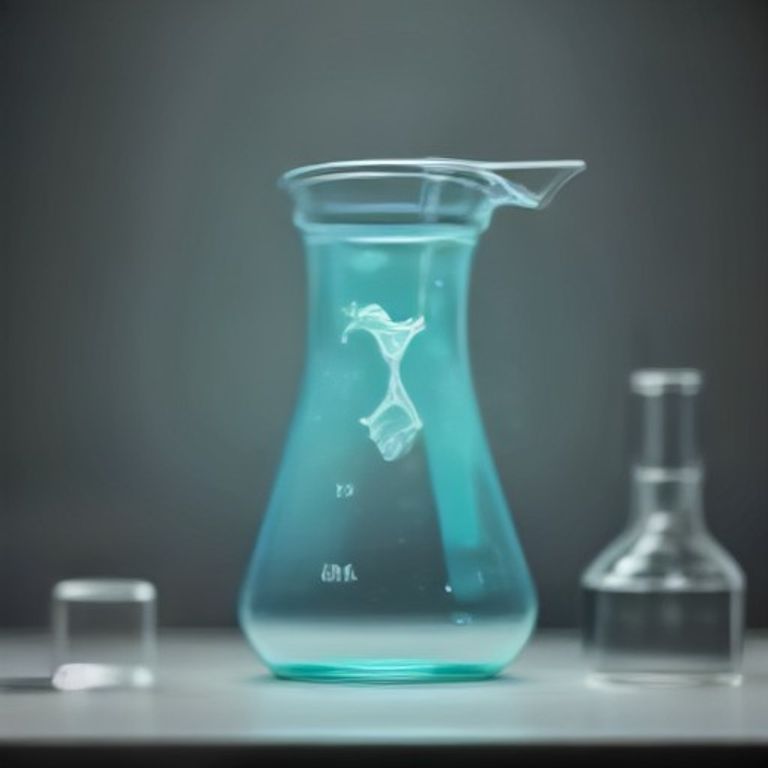
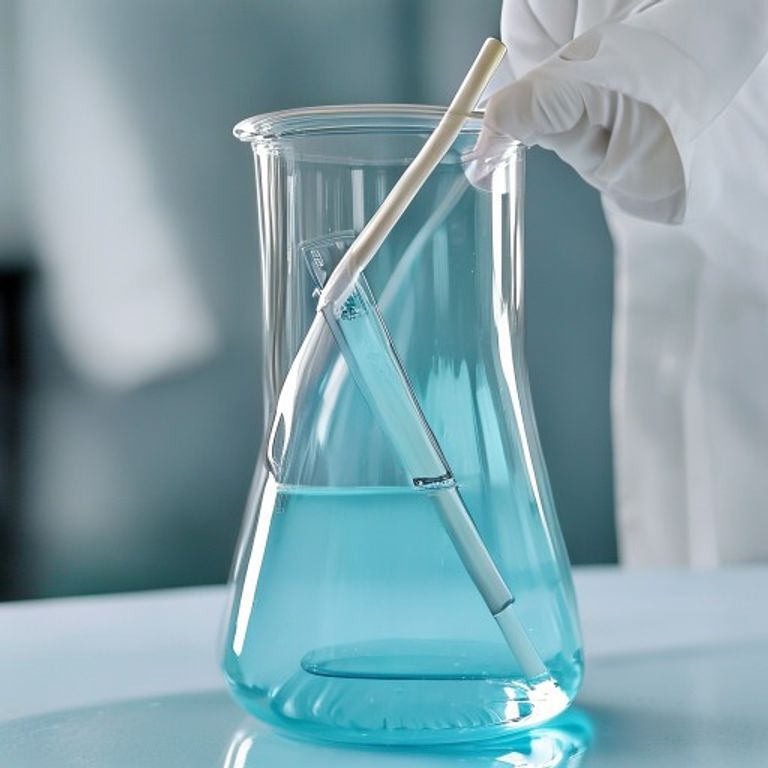
Quand je suis entré dans un laboratoire de chimie, la forme conique de la fiole Erlenmeyer m'a attiré l'œil. Il est plus qu'un simple morceau de verre – il est un cheval de travail polyvalent qui nous aide à mélanger, chauffer et stocker des solutions en toute sécurité. Dans cet article, je vais vous guider dans les utilisations les plus courantes d'une fiole Erlenmeyer, partager des conseils de meilleure pratique pour la manipuler, et répondre aux questions qui apparaissent souvent dans le laboratoire.
Dans quel cas Erlenmeyer Flasks est-il utilisé?
Le flacon conique classique est conçu pour quelques tâches clés:
- Solutions de mélange – Le col étroit réduit les éclaboussures pendant que vous tourbillonnez le contenu.
- Chauffage des liquides – Sa forme distribue la chaleur uniformément, ce qui la rend idéale pour l'ébullition douce.
- Titre – La base large offre une stabilité, et le cou vous permet d'ajouter des titrants dans le sens goutte.
- Stockage – Avec un bouchon, il protège les réactifs de l'humidité et de la contamination.
En raison de ces caractéristiques, la fiole Erlenmeyer est un agrafe dans n'importe quelle verrerie de laboratoire recouvrement.
Utilisation appropriée d'un jet d'Erlenmeyer dans le laboratoire
1. Choisir la bonne taille
N'utilisez jamais une fiole trop petite pour le volume dont vous avez besoin. Une bonne règle consiste à ne pas remplir plus des trois quarts. Cela laisse de la place pour le tourbillonnage et empêche le débordement accidentel lorsque la solution ébullition.
2. Tourner sans s'envoler
Pour mélanger sans créer de désordre, tenir la fiole par le cou, l'incliner légèrement, et lui donner un doux mouvement circulaire. Pensez-y comme en remuant une tasse de café – les parois coniques guident le liquide vers le centre.
3. Chauffage en toute sécurité
Lors du chauffage, placer la fiole sur une plaque chaude stable ou un bain de sable. Éviter la flamme directe à moins que le flacon ne soit en verre borosilicaté. Commencez par une faible chaleur et augmentez progressivement, ce qui réduit le risque de choc thermique.
4. Utilisation des bouchons et des lids
Assurez toujours un bouchon si la solution est volatile ou si vous devez la conserver pour une utilisation ultérieure. Assurez-vous que le bouchon s'adapte correctement mais n'est pas forcé, car cela peut fissurer le verre.
Erlenmeyer Flask Applications en chimie
Au-delà des bases, le flacon Erlenmeyer brille dans des procédures spécifiques:
- Réactions de reflux – La fiole peut être équipée d'un condenseur pour permettre l'ébullition continue sans perdre de solvant.
- Précipitation et filtration – Sa forme permet de verser facilement le surnageant dans une installation de filtration.
- Préparation de solutions standard – Jumeler la fiole avec une guide pratique pour une distribution précise des liquides pour un travail volumétrique précis.
Meilleures pratiques pour le chauffage des liquides dans un jet d'Erlenmeyer
Le chauffage est là où beaucoup de débutants font des erreurs. Suivez ces étapes pour rester en sécurité et obtenir des résultats uniformes :
- Inspecter le verre – Recherchez des fissures ou des copeaux avant d'appliquer la chaleur.
- Utiliser un tapis résistant à la chaleur – Cela protège le banc et fournit une surface stable.
- Appliquer progressivement la chaleur – Commencez bas, puis augmentez à mesure que la solution approche de la température souhaitée.
- Incorporer occasionnellement – Un tourbillon doux empêche les points chauds et favorise le chauffage.
- Évent si nécessaire – Pour les réactions qui génèrent des gaz, utilisez un bouchon éventé ou un capuchon lâche.
Outils complémentaires de laboratoire: Quand atteindre un entonnoir, une spatule ou un tube d'essai
Alors que le flacon Erlenmeyer gère la plupart des tâches, parfois vous avez besoin d'un assistant. Par exemple, transférer un liquide visqueux dans le flacon est plus facile avec un entonnoir—vérifier Utilisations indispensables d'un entonnoir. Si vous avez besoin de gratter des résidus solides, un rôle de spatule dans la chimie devient essentiel (rôle des spatules dans la chimie). Et quand vous devez pré-mesurer un petit volume avant de le déplacer dans la fiole, un tube d'essai est votre ami (Tube d ' essai humble).
FAQ
- Puis-je utiliser une fiole Erlenmeyer pour trembler vigoureusement?
Il n'est pas idéal pour les tremblements vigoureux parce que le cou étroit peut créer de la pression. Utilisez une fiole agitée ou une fiole à fond rond avec un capuchon ventilé à cette fin.
- Quelle est la différence entre un flacon conique et un bécher ?
Une fiole conique a une forme conique qui réduit les éclaboussures, tandis qu'un bécher a des côtés droits et est mieux pour les réactions en plein air.
- Est-ce sûr de micro-ondes une fiole Erlenmeyer ?
Seulement si la fiole est étiquetée micro-ondes (borosilicate). Sinon, le changement rapide de température peut provoquer une rupture.
- Comment nettoyer une fiole d'Erlenmeyer après une réaction ?
Rincer avec de l'eau distillée, puis utiliser une brosse et un détergent doux. Pour les résidus tenaces, tremper dans un acide ou une base dilué, selon les produits chimiques utilisés.
Conclusion
Maîtriser le flacon d'Erlenmeyer est un petit pas, mais puissant, pour devenir un chimiste confiant. Que vous mélangez, chauffez ou titragez, la clé est de respecter sa forme, de suivre les directives de sécurité, et de l'associer avec les bons outils auxiliaires. Avec ces conseils pratiques, vous pourrez tirer le meilleur parti de cet humble morceau de verrerie de laboratoire et garder vos expériences en bon état.