


Mastering Burettes: Practical Guide to Precise Liquid Dispensing in the Lab

Introduction
Ever wondered why a simple glass tube can make or break a titration experiment? I’ve spent countless hours in the lab fiddling with burettes, and trust me, mastering this piece of volumetric glassware feels like unlocking a secret super‑power. In this article, I’ll walk you through everything you need to know about burettes – from basic operation to buying the right one, cleaning tips, and how they stack up against automatic models. Let’s dive in and make your next experiment as smooth as a well‑stirred solution.
What Is a Burette?
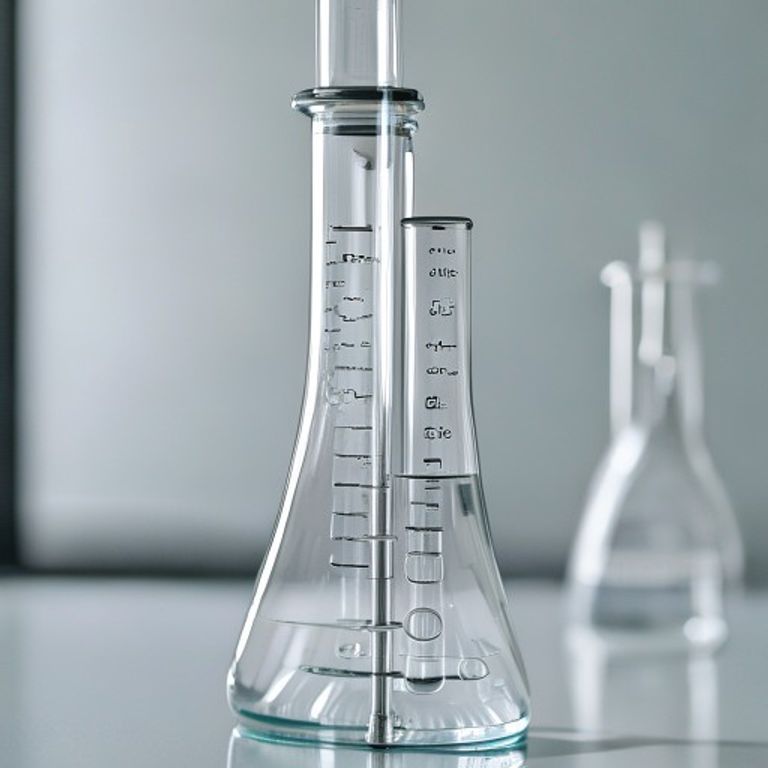
A burette is a long, graduated glass (or sometimes plastic) tube equipped with a stopcock at the bottom. It’s designed for delivering precise volumes of liquid, typically in titration where every drop counts. The narrow bore and fine‑threaded stopcock let you control the flow rate, while the clear markings let you read the meniscus to the nearest 0.01 mL.
How to Use a Burette in Titration
Here’s my step‑by‑step routine that guarantees reproducible results:
- Rinse the burette with the titrant you’ll be using. This removes any residual water or previous chemicals.
- Fill the burette slightly above the zero mark, then open the stopcock to let the liquid run through the tip. Close it when the liquid level is just below the 0.00 mL mark.
- Check for air bubbles in the tip. If you see any, tap the burette gently and flush a few drops out.
- Record the initial volume by reading the bottom of the meniscus at eye level.
- Add the titrant dropwise to the analyte while swirling. Stop when the indicator changes color.
- Note the final volume and calculate the delivered volume (final – initial).
Pay attention to the stopcock – a slow, steady turn gives you better control than a quick flick.
Buying Laboratory Burettes: Manual vs. Automatic
When it’s time to purchase, you’ll encounter two main categories:
- Manual burettes: Classic glass, reliable, and usually cheaper. Ideal for teaching labs or low‑budget setups.
- Automatic burettes: Motor‑driven, programmable, and often equipped with digital readouts. They reduce human error and are perfect for high‑throughput work.
If you’re wondering whether the extra cost is worth it, think about your workflow. For occasional titrations, a sturdy manual glass burette does the job. For routine, large‑scale analyses, the time saved with an automatic system can quickly offset the investment.
Cleaning and Maintaining Glass Burettes
Proper maintenance extends the life of your burette and ensures accuracy:
- Rinse after each use with distilled water, then with the next titrant to avoid cross‑contamination.
- Use a burette brush (soft‑bristled) to scrub the inner wall if residue builds up.
- Dry upside down on a clean lint‑free cloth to prevent water spots that could affect the meniscus reading.
- Inspect the stopcock regularly; lubricate with a few drops of silicone oil if it feels gritty.
For a deeper dive into lab equipment care, check out the article on the humble test tube – many cleaning principles overlap.
Precision Liquid Dispensing Tips
Even with a perfect burette, technique matters:
- Always read the meniscus at eye level to avoid parallax error.
- Use a white background behind the burette for a clearer view of the liquid line.
- Control temperature; volume expands with heat, so keep the lab at a stable temperature.
- Practice the “stopcock feel” – a gentle, controlled twist yields the smoothest flow.
FAQ
Can I use a plastic burette for strong acids?
Most plastic burettes are made of PVC or polyethylene, which can degrade with strong acids or bases. For aggressive chemicals, stick to glass.
How often should I calibrate my burette?
Ideally before each major experiment. Fill the burette to a known volume, dispense it, and compare the delivered amount to the reading. Adjust if the deviation exceeds 0.02 mL.
What’s the difference between a burette and a pipette?
A burette delivers variable volumes (you decide how much to dispense), while a pipette is calibrated to deliver a fixed volume each time.
Do automatic burettes need regular maintenance?
Yes – clean the tip, check the motor for wear, and calibrate the digital readout regularly, just like a manual one.
Why is the stopcock sometimes hard to turn?
Residue or dried titrant can clog the threads. A quick rinse with the appropriate solvent usually restores smooth operation.
Conclusion
Whether you’re a student just starting titrations or a seasoned analyst looking to upgrade, mastering the burette is all about understanding its parts, practicing consistent technique, and keeping it clean. By following the steps above, you’ll achieve reliable, repeatable results and maybe even enjoy the process a bit more. So next time you pick up that glass tube, remember: it’s not just a piece of equipment – it’s your precision partner in the lab.







