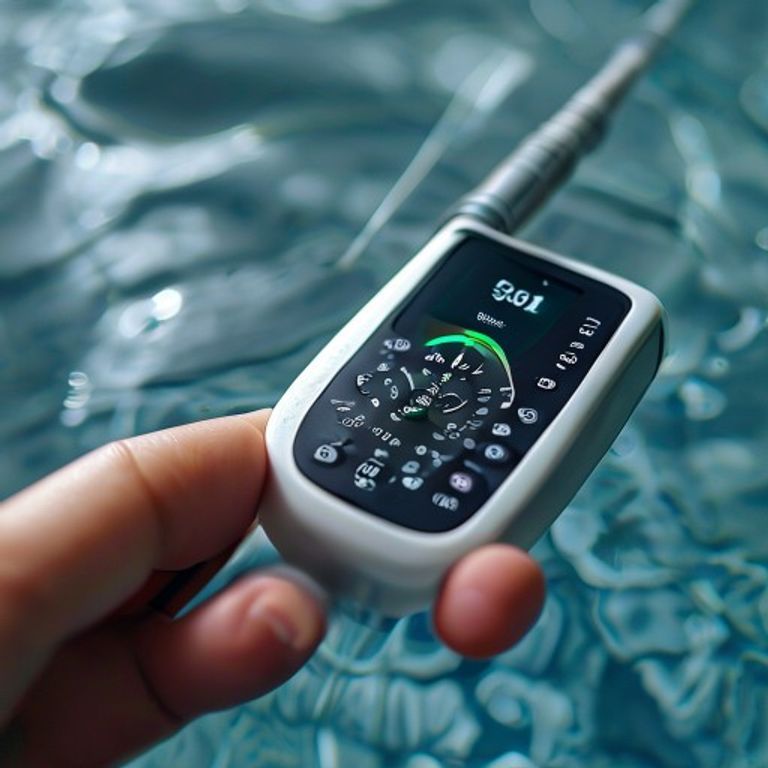
The Ultimate Guide to Conductivity Meters: Choosing the Right Device for Every Application

Introduction
When we talk about water quality, one of the first numbers that pops up is conductivity. It tells us how many dissolved ions are swimming around, which directly impacts everything from aquarium health to industrial processes. But measuring conductivity isn’t as simple as sticking a thermometer in a beaker. The market is flooded with devices ranging from cheap hobby kits to high‑precision laboratory instruments. In this guide, I’ll walk you through the different types of conductivity meters, how to pick the right one for your needs, and practical tips to keep your measurements accurate.
What Is a Conductivity Meter?
A conductivity meter is an electrical conductivity measurement device that applies a small voltage across two electrodes and measures the resulting current. The stronger the current, the higher the ion concentration, and the higher the conductivity (usually expressed in µS/cm or mS/cm). Think of it like a “traffic sensor” for ions – the more cars (ions) pass, the higher the reading.
Key Features to Look For
- Temperature Compensation – Since conductivity changes with temperature, a good meter will automatically adjust the reading. Look for “handheld conductivity meter with temperature compensation” if you work outdoors.
- Probe Design – A sturdy conductivity probe and sensor is essential for industrial use, while a slim probe works better for aquarium hobbyists.
- Accuracy & Precision – Laboratory models often boast ±0.1% accuracy, whereas budget models may be ±2%.
- Data Logging – For long‑term monitoring, choose a meter that can store or export data.
- Calibration Solutions – Having the right Viscometer Essentials (or any standard calibration solutions) is crucial for maintaining reliability.
Types of Conductivity Meters
1. Portable Conductivity Meter for Water Testing
These handheld units are perfect for field work – think environmental sampling, irrigation checks, or quick aquarium checks. They’re lightweight, battery‑operated, and often come with built‑in temperature sensors.
2. Handheld Conductivity Meter with Temperature Compensation
If you frequently test water at varying temperatures (e.g., in a greenhouse), a meter that automatically compensates for temperature saves you from manual calculations. The device reads temperature, applies a correction factor, and gives you a true conductivity value.
3. Laboratory Conductivity Meter
Lab models prioritize accuracy and stability. They usually connect to a benchtop computer for data analysis and support high‑precision refractometer handbook-style calibration routines. Ideal for research labs, water treatment plants, and quality‑control labs.
4. Industrial Conductivity Meter for Process Control
In manufacturing, conductivity is a key parameter for processes like cooling‑tower water management or chemical dosing. Industrial meters are built rugged, can handle harsh chemicals, and often integrate with PLCs for real‑time control.
5. Cheap Conductivity Meter for Aquarium Hobbyists
For the budget‑conscious hobbyist, a simple meter that plugs into a smartphone or displays a basic readout is enough. Just remember that cheaper devices may drift over time, so regular calibration with a standard solution is a must.
How to Calibrate Your Conductivity Meter
Calibration is the backbone of reliable data. Follow these steps:
- Rinse the probe with distilled water.
- Immerse it in a known standard solution (e.g., 1413 µS/cm at 25 °C).
- Allow the reading to stabilize, then press the “Calibrate” button.
- Repeat with a second standard if your meter supports multi‑point calibration.
Always store the probe wet when not in use to prevent drying out, which can cause inaccurate readings.
Practical Tips for Better Measurements
- Keep the probe clean – Deposits can act like “traffic jams” for ions.
- Use proper stirring – A gentle stir ensures a homogeneous sample.
- Check temperature – Even with compensation, extreme temperatures can affect sensor lifespan.
- Log data regularly – Trends are more valuable than single snapshots.
FAQ
What is the difference between conductivity and TDS?
Conductivity measures how well a solution conducts electricity, while Total Dissolved Solids (TDS) is an estimate derived from conductivity using a conversion factor. They’re related but not identical.
Can I use a conductivity meter for pH testing?
No. Conductivity and pH measure different properties. However, both are often needed together for comprehensive water quality analysis. For pH, you might check out the litmus paper guide for quick checks.
How often should I calibrate?
For critical applications (lab or industrial), calibrate before each use. For hobbyist use, a weekly calibration is usually sufficient.
Is a cheap meter reliable for aquariums?
It can be, as long as you calibrate regularly and replace the probe when it shows drift.
What maintenance does the probe need?
Rinse after each use, store wet, and replace the electrode membrane according to the manufacturer’s schedule.
Conclusion
Choosing the right conductivity meter boils down to understanding your application, budget, and required accuracy. Whether you need a portable conductivity meter for water testing, a rugged industrial unit, or a cheap aquarium-friendly model, the key is proper calibration and regular maintenance. With the right tool in hand, you’ll have clear insight into water quality and can make informed decisions—no more guessing, just solid data.