The Indispensable Test Tube Holder: A Guide to Safe and Effective Use in Your Lab

Ever found yourself in a lab, needing to handle a sizzling hot test tube, and wondered, “How do I do this without burning my fingers?” If so, you’re not alone! That’s exactly where the humble yet mighty test tube holder comes into play. It’s one of those unsung heroes of the chemistry lab, an essential piece of laboratory safety equipment that ensures our experiments run smoothly and, most importantly, safely. Today, we’re going to dive deep into the world of the test tube holder use – understanding its purpose, mastering its handling, and adopting the best practices to keep our lab experiences positive and accident-free.
Think of it this way: just as you wouldn’t pick up a freshly baked cookie sheet with your bare hands, you shouldn’t handle a hot test tube directly. The test tube holder acts as your heat-resistant hand, giving you the grip and distance you need. It might seem like a simple tool, but knowing how to use a test tube holder safely is a fundamental skill for anyone stepping into a lab.
Why We Need a Test Tube Holder: The Purpose Behind Its Use
So, what exactly is the purpose of a test tube holder in a lab? In essence, it’s all about safety and precision. Test tubes often contain chemicals that are being heated, mixed, or reacted. These reactions can generate significant heat, making the glass extremely hot to the touch. Trying to hold a hot test tube with bare hands is not only painful but also incredibly dangerous, leading to potential burns or dropping the tube, which could cause chemical spills or glass breakage.
The test tube holder provides a secure grip on the test tube, allowing us to manipulate it without direct contact with the hot glass or potentially hazardous chemicals. It’s designed to keep our hands a safe distance away from heat sources like a Bunsen burner flame. This tool is critical for operations like heating test tubes evenly, transferring liquids, or mixing substances by shaking. Without it, our lab work would be much riskier and less efficient.
Mastering the Test Tube Holder: A Step-by-Step Guide to Safe Handling
Let’s get down to the nitty-gritty of how to actually use this essential tool. Here’s a step-by-step guide to using a test tube holder effectively:
- Choosing the Right Grip: First, select a test tube holder that is clean and in good condition. Open the holder’s jaws by squeezing the handles.
- Gripping the Test Tube: Carefully position the test tube holder about one-third to one-half of the way down from the opening of the test tube. Avoid gripping it too close to the top, as this can make the tube top-heavy and unstable, or too close to the bottom, which might be where the heat is concentrated. The grip should be firm enough to hold the test tube securely, but not so tight that it cracks the glass. You want it to feel like a confident handshake, not a vice grip!
- Positioning for Heating: If you’re heating test tubes, always point the mouth of the test tube away from yourself and others. Never heat a closed test tube, as pressure can build up and cause an explosion.
- Controlled Movement: When moving the test tube, do so slowly and deliberately. Jerky movements can cause spills or sloshing. Remember, you’re holding something potentially hot and hazardous.
When to Grab Your Test Tube Holder: Key Scenarios
Understanding when to use a test tube holder is just as important as knowing how. Here are the primary scenarios where this tool becomes our best friend:
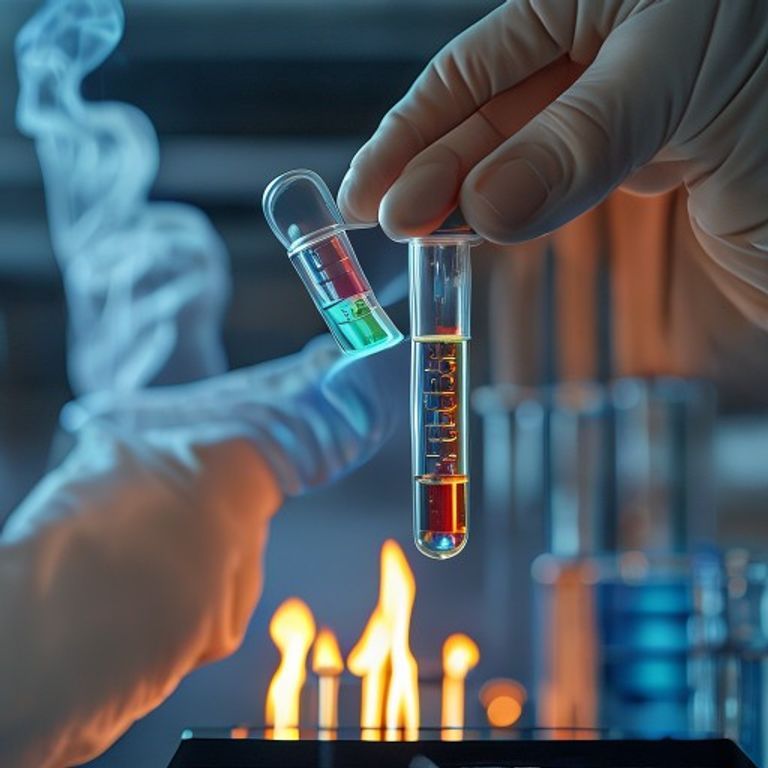
- Heating Liquids: This is the most common scenario. Whether you’re using a Bunsen burner or a hot plate, any time you’re applying heat to a test tube, the holder is non-negotiable. It allows you to move the tube through the flame for even heating, preventing localized boiling and “bumping,” where liquid violently erupts. This is also crucial for Bunsen burner safety.
- Mixing Chemicals: When you need to gently shake or swirl chemicals in a test tube, especially if they are corrosive or have just reacted and might be warm, the holder keeps your hands safe.
- Transferring Hot Substances: If you need to move a test tube containing a hot liquid or solid from one rack to another, or from a reaction setup to a cooling bath, the test tube holder is essential for safe transport.
- Handling Corrosive or Harmful Chemicals: Even if the chemicals aren’t hot, using a test tube holder minimizes direct skin contact, acting as an extra layer of protection, similar to how we might use a specialized test tube clamp for larger vessels.
Best Practices for Test Tube Holder Use: Tips for a Smooth Lab Experience
To ensure you’re always operating at peak safety and efficiency, here are some best practices for test tube holder use:
- Inspect Before Use: Always quickly check your test tube holder for any damage, like loose springs or misaligned jaws, before you use it. A faulty holder is a safety hazard.
- Maintain a Firm but Gentle Grip: As mentioned, too loose, and the tube might slip; too tight, and it might crack. Find that sweet spot.
- Never Point Towards Anyone: When heating or mixing, always keep the mouth of the test tube directed away from yourself and anyone else in the vicinity. Boiling liquids can easily splash out.
- Heat Evenly: When heating with a Bunsen burner, continuously move the test tube through the flame, rather than holding it static in one spot. This helps to prevent superheating and ensures the entire contents heat uniformly.
- Allow to Cool Safely: After heating, place the test tube in an appropriate test tube rack or beaker to cool down. Don’t just set it on the benchtop, as it could roll off or inadvertently be touched by someone. Always assume holding hot glassware remains a risk until it’s fully cooled.
Kesimpulan
From preventing burns to ensuring accurate chemical reactions, the test tube holder use is a cornerstone of safe and effective laboratory practice. It’s not just a fancy pair of tongs; it’s a vital piece of personal protective equipment and an extension of our safe lab habits. By understanding its purpose, mastering the correct techniques, and consistently applying best practices, we can confidently navigate our experiments, keeping ourselves and our colleagues safe. So, next time you step into the lab, remember to grab that holder – your hands (and your experiments) will thank you!
FAQ About Test Tube Holder Use
Q: Can I use a test tube holder for any size test tube?
A: Most standard test tube holders are designed for common sizes (e.g., 15-25 mm diameter). For very large or very small test tubes, specialized clamps or holders might be needed to ensure a secure grip. Always check the fit.
Q: How do I clean a test tube holder?
A: Generally, a quick wipe with a damp cloth or a lab-safe disinfectant solution is sufficient. Ensure it’s completely dry before storing to prevent rust, especially if it’s made of metal.
Q: Is it okay to leave a test tube holder in the flame while heating?
A: No, you should never leave the test tube holder directly in the flame for an extended period. The holder itself can become hot, and it’s unnecessary for the proper heating of the test tube contents.
Q: What’s the difference between a test tube holder and a test tube clamp?
A: A test tube holder is typically a handheld device for temporarily holding and manipulating a single test tube. A test tube clamp, on the other hand, is usually attached to a retort stand and provides a more rigid, fixed hold for a test tube, often for longer-duration heating or reactions.
Q: Can I use a test tube holder to hold other glassware, like beakers?
A: Test tube holders are specifically designed for test tubes. For beakers, flasks, or other larger glassware, you should use appropriate tongs or clamps designed for those specific shapes and sizes to ensure safety and stability.