


The Essential Guide to Test Tube Holder Uses: Safety, Heating, and Practical Tips

Introduction
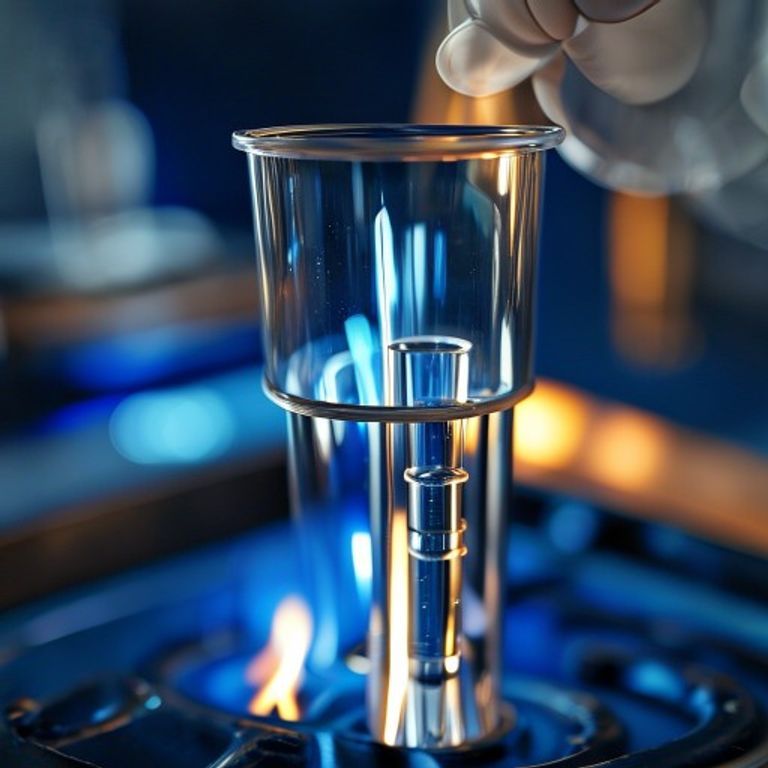
When we step into a chemistry lab, the test tube holder might be the most underrated piece of equipment on the bench. It’s like the trusty pair of pliers you keep in your toolbox – simple, yet it saves you from burns, spills, and broken glass. In this article we’ll explore test tube holder uses ranging from basic handling to precise heating, and share best practices to keep your experiments safe and efficient.
What Is a Test Tube Holder Used for in a Lab?
A test tube holder, also known as a test tube clamp, is designed to grip the neck of a test tube securely. Its primary functions include:
- Holding the tube upright while adding or removing liquids.
- Allowing safe manipulation over open flames or Bunsen burners.
- Providing a stable platform for observation and measurement.
Think of it as the “hand” that lets you move delicate glass without touching it directly.
How to Properly Use a Test Tube Holder for Heating
Heating glassware is a common step in many experiments, and doing it the right way prevents accidents. Follow these simple steps:
- Grip the tube near the top – position the holder about 1‑2 cm below the opening. This gives you control while keeping your fingers away from the heat.
- Hold at a slight angle – tilt the tube away from you and the bench, directing any splatter away from the workspace.
- Move the tube through the flame – use a smooth, back‑and‑forth motion. Avoid lingering in one spot to prevent uneven heating.
- Cool gradually – after heating, place the tube in a heat‑resistant rack or on a metal stand before handling.
Just like stirring a pot on the stove, a steady motion keeps the temperature even and the glass intact.
Importance of a Test Tube Holder in Chemical Experiments
Safety is the biggest reason we rely on a test tube holder. By keeping our hands away from hot glass, we reduce the risk of burns. Additionally, the holder prevents accidental breakage that could release hazardous chemicals. In high‑precision work, such as titrations or colorimetric assays, a stable holder ensures consistent results.
Different Applications of Test Tube Holders in Science
Beyond simple heating, test tube holders are versatile:
- Distillation setups – hold the receiving tube while the condensate drips.
- Microscopy samples – keep a tube steady while transferring a drop onto a slide.
- Educational demonstrations – allow students to observe reactions safely from a distance.
If you’re curious about other essential lab tools, you might check out our guide on how to read and use a graduated cylinder for accurate volume measurements.
Best Practices for Using a Test Tube Holder Safely
Here are some quick tips to keep in mind:
- Inspect the holder for cracks or worn jaws before each use.
- Never clamp a tube that contains a volatile or pressurized substance.
- Use heat‑resistant gloves when handling hot tubes, even with a holder.
- Keep the holder’s jaws clean – residue can slip and cause drops.
- Store the holder in a dry place to avoid rust.
Following these habits is like brushing your teeth daily – simple, but it prevents bigger problems later.
FAQ
Q: Can I use a test tube holder for flasks?
A: While it can grip the neck of a small flask, it’s better to use a flask holder or clamp designed for that shape to ensure a secure grip.
Q: What material should a test tube holder be made of?
A: Stainless steel or heat‑resistant alloy is preferred because it won’t warp under high temperatures.
Q: How do I clean a test tube holder?
A: Wipe it with a lint‑free cloth soaked in mild detergent, then rinse and dry thoroughly.
Conclusion
Even though it’s a small piece of equipment, the test tube holder plays a huge role in lab safety and experiment success. By mastering its proper use—especially for heating—and following best‑practice guidelines, we can work more efficiently and keep accidents at bay. Next time you reach for that clamp, remember it’s not just a tool; it’s a safety partner in every chemical adventure.







