Mortar vs. Pestle: Demystifying Which is Which (and Why It Matters!)

Pernahkah Anda melihat set penggiling bumbu yang indah dan bertanya-tanya, “Yang mana mangkuknya, dan yang mana stiknya? Apa sebutan untuk masing-masing?” Jika ya, Anda tidak sendirian! Banyak dari kita sering bingung antara mortar dan pestle. Kedua alat ini adalah pasangan yang tidak terpisahkan dalam banyak dapur di seluruh dunia, digunakan untuk menghancurkan, menggiling, dan mencampur berbagai bahan. Tapi, mari kita jujur, tidak jarang kita salah menyebut namanya.
Jangan khawatir, di artikel ini, kita akan menghilangkan kebingungan itu untuk selamanya. Kami akan menyelami dunia mortar dan pestle, membantu Anda mengidentifikasi masing-masing dengan mudah, dan menjelaskan mengapa mengetahui perbedaannya sangat berguna dalam petualangan kuliner Anda. Siap untuk menjadi ahli bumbu dapur?
What Exactly is a Mortar?
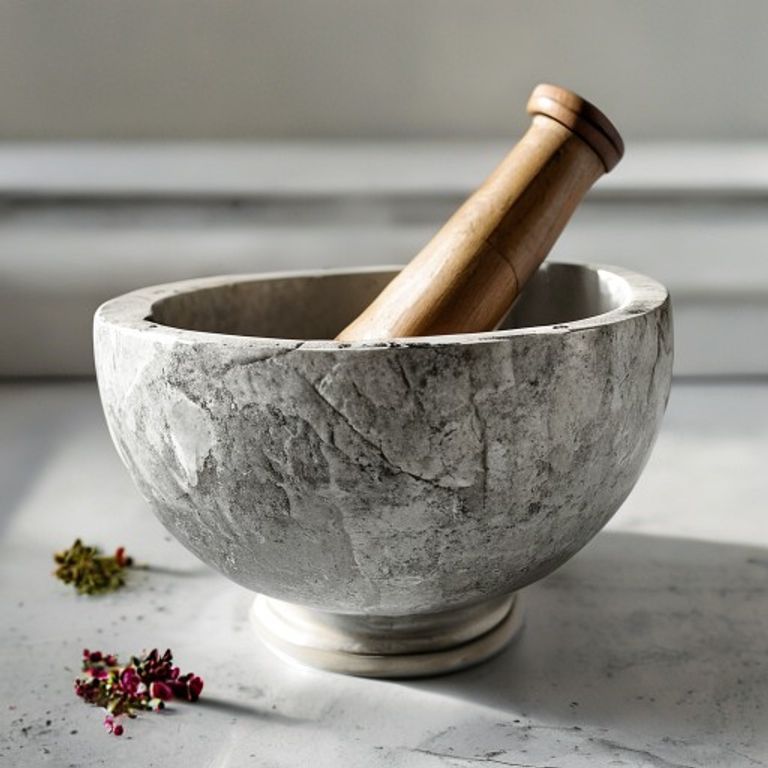
Let’s start with the larger, stationary part of the duo. The mortar is the bowl-shaped vessel. Think of it as the “kitchen” where all the action happens. It’s the sturdy container where you place your spices, herbs, grains, or whatever else you need to grind or crush. Mortars come in various sizes and materials, from heavy granite and marble to ceramic, wood, and even stainless steel.
Imagine you’re making guacamole. You put your avocados, salt, and maybe some chili flakes into a large bowl. That bowl, in this analogy, is your mortar. It’s designed to contain the ingredients and withstand the force of pounding and grinding without tipping over or breaking. Its interior is often unglazed or textured to provide friction, helping to break down ingredients more effectively.
Introducing the Pestle: The Grinding Powerhouse
Now, for its active counterpart. The pestle is the club-shaped tool you hold in your hand. It’s the “chef” or the “tool” that does the actual work. You use the pestle to pound, crush, and grind the ingredients against the interior surface of the mortar. It’s the part that applies the force and pressure, turning whole spices into fine powders or fresh herbs into aromatic pastes.
Continuing our guacamole analogy, the pestle would be your sturdy spoon or masher, diligently mashing those avocados against the side of the bowl. Pestles are typically designed to be comfortable to grip and heavy enough to provide effective grinding power. Like mortars, they also come in various materials, usually matching the mortar they are paired with to ensure optimal performance and durability.
Mortar and Pestle: A Dynamic Duo in Action
So, to recap:
- The Mortar is the bowl.
- The Pestle is the club-shaped tool.
Together, they form a powerful team for preparing ingredients. We use the pestle to apply force inside the mortar. This simple mechanical action breaks down cell walls, releases essential oils, and creates textures that are often impossible to achieve with electric grinders. Think about the difference between pre-ground black pepper and freshly cracked pepper – the aroma and flavor are simply incomparable!
Why Does Knowing the Difference Matter?
Beyond just sounding smart in the kitchen, understanding which is which helps in a few practical ways:
- Proper Usage: Knowing that the pestle is for pounding and the mortar is for containing ensures you use them correctly and efficiently.
- Care and Maintenance: Different materials require different care. A wooden pestle might need oiling, while a ceramic mortar might be more prone to chipping if dropped.
- Choosing the Right Set: When buying a set, you’ll know what to look for. A good mortar will have a wide, stable base and a textured interior, while a good pestle will be comfortable to hold and have a good weight for grinding.
- Following Recipes: Many traditional recipes specifically call for “grinding in a mortar and pestle,” and now you’ll know exactly what they mean!
Choosing Your Perfect Grinding Bowl and Crushing Tool
When it comes to choosing a mortar and pestle, there are a few things to consider. For heavy-duty grinding of hard spices or making pastes, a sturdy stone (like granite or marble) set is often preferred. These provide excellent weight and friction. For lighter tasks or softer herbs, wood or ceramic sets can be lovely. We often find that a rougher interior surface on the mortar and a well-shaped pestle make all the difference in achieving the desired texture for our spice preparation.
Conclusion
So there you have it! The mystery is solved. The next time you reach for that classic kitchen tool, you’ll confidently know that the bowl is the mortar, and the handheld grinder is the pestle. This simple distinction empowers you to appreciate and utilize these ancient culinary equipment pieces to their full potential, unlocking incredible flavors and aromas in your cooking. Go forth and grind with confidence!
Frequently Asked Questions (FAQ)
Q: Is the bowl the mortar or pestle?
A: The bowl is the mortar.
Q: Which one is the pestle in a set?
A: The pestle is the club-shaped or rod-like tool you hold and use to grind ingredients inside the bowl.
Q: What materials are best for a mortar and pestle?
A: It depends on your needs! Granite and marble are excellent for heavy-duty grinding (spices, nuts). Ceramic is good for softer herbs and seeds. Wood is often used for dried herbs and traditional preparations. Each has its pros and cons in terms of durability, cleaning, and specific grinding tasks.
Q: Can I put my mortar and pestle in the dishwasher?
A: Generally, no. Stone and wood sets should be hand-washed with warm water and mild soap, then thoroughly dried. Ceramic sets might be dishwasher safe, but always check the manufacturer’s instructions. Abrasive cleaning can damage porous materials or remove seasoning.