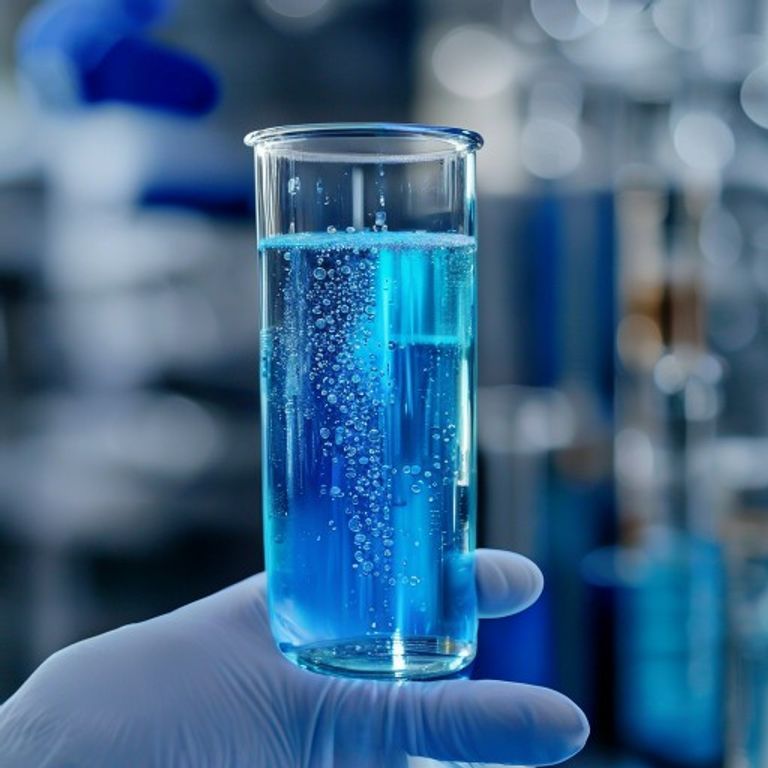
Déverrouillage du laboratoire Cheval de travail : le tube de test essentiel utilise le savoir

Quand nous imaginons un laboratoire scientifique, une des premières pièces de matériel de laboratoire qui vient souvent à l'esprit est le tube d'essai humble. C'est une véritable icône, n'est-ce pas ? Ce simple cylindre en verre de taille de doigt, apparemment sans prétention, joue en fait un rôle monumental dans d'innombrables découvertes scientifiques et expériences de routine. Mais avez-vous déjà pensé, "à quoi servent les tubes d'essai dans un labo ?" Nous sommes ici pour plonger dans le monde fascinant de l'utilisation des tubes de test, découvrant pourquoi ce morceau de verre est un incontournable pour chaque scientifique, des élèves du secondaire aux chercheurs chevronnés.
À son cœur, un tube d'essai est conçu pour la simplicité et la polyvalence. Contrairement à un appareil plus complexe, sa forme cylindrique simple avec un fond arrondi le rend incroyablement adaptable. Nous le tenons souvent pour acquis, mais sa conception est parfaite pour manipuler de petits volumes de liquides, ce qui le rend idéal pour des expériences où la précision et l'observation sont essentielles. Donc, les lets enroulent les couches et explorent la fonction primaire des tubes d'essai en chimie et au-delà.
La fonction principale : tenir, mélanger et observer
La réponse la plus simple à « ce que sont les tubes d'essai utilisés dans un laboratoire » est de conserver de petites quantités d'échantillons liquides ou solides. Imaginez que vous soyez un chef dans une petite cuisine complexe; les tubes d'essai sont vos bols et tasses miniatures. Ils sont parfaits pour:
- Stockage des échantillons : Pour le stockage à court terme des produits chimiques, des réactifs ou des échantillons biologiques. Avec un bouchon ou un bouchon, ils gardent les choses en sécurité.
- Solutions de mélange : Leur ouverture étroite et leur fond arrondi les rendent excellents pour le mélange de liquides par doux tourbillonnement ou inversion. Pas de déversements, pas de soucis !
- Réactions observatrices : Fabriqué en verre transparent, les tubes d'essai offrent une fenêtre claire dans réactions chimiques. Nous pouvons facilement voir des changements de couleur, la formation précipitée, ou l'évolution du gaz – tous les indices visuels cruciaux dans une expérience.
Substances de chauffage en toute sécurité et efficacement
L'une des applications les plus courantes et les plus critiques des tubes d'essai est le chauffage des substances. Jamais demandé pourquoi ils sont faits de types spécifiques de verre? La plupart des tubes d'essai sont fabriqués en verre borosilicate (comme Pyrex), qui est très résistant aux chocs thermiques. Cela signifie qu'ils n'ont pas craqué ou brisé lorsqu'ils sont exposés à des changements rapides de température, les rendant incroyablement sûrs pour:
- Chauffage direct à la flamme: On chauffe souvent des liquides ou des solides dans un tube d'essai directement sur une flamme de brûleur Bunsen. Cela permet une augmentation rapide et contrôlée de la température, essentielle pour de nombreuses réactions.
- Chauffage au bain d'eau: Pour un chauffage plus doux et même, les tubes d'essai peuvent être placés dans un bain d'eau. Cette méthode prévient la surchauffe et assure une température constante dans l'échantillon.
- Détermination du point d'ébullition: En chimie organique, nous utilisons fréquemment des tubes d'essai pour déterminer le point d'ébullition d'un liquide, car leur petit volume facilite l'observation des changements.
Lors du chauffage, il est essentiel de maintenir le tube d'essai avec un support de tube d'essai, en pointant l'ouverture loin de vous et les autres, et en le déplaçant continuellement dans la flamme pour éviter une surchauffe localisée. Pensez-y comme des guimauves grillées – vous continuez à les faire tourner pour même brunir!
Au-delà des bases : applications diverses des tubes d'essai
L'utilité des tubes d'essai va bien au-delà de la simple tenue et chauffage. Leur polyvalence permet différentes applications de tubes d'essai dans différentes disciplines scientifiques :
- Microbiologie: Dans les laboratoires de biologie, les tubes d'essai sont indispensables pour cultiver les microorganismes. Nous les utilisons pour cultiver des bactéries, des champignons ou des levures dans des milieux de bouillons spécifiques, ce qui nous permet d'étudier leurs modèles et leurs caractéristiques de croissance.
- Centrifugation: Les tubes d'essai sont spécialement conçus pour s'adapter aux centrifugeuses, machines qui font tourner les échantillons à haute vitesse pour séparer les composants en fonction de la densité. Par exemple, séparer le plasma sanguin des globules rouges est une application courante de tube d'essai.
- Analyse qualitative : De nombreux essais chimiques simples, comme les essais de présence de certains ions ou groupes fonctionnels, sont effectués dans des tubes d'essai. Leur petite taille signifie que nous n'avons besoin que de petites quantités de réactifs, rendant les expériences rentables et plus sûres.
- Série de dilution: Lors de la préparation de solutions de concentrations décroissantes, appelées séries de dilution, les tubes d'essai offrent une façon soignée et organisée d'effectuer des dilutions en série, cruciales pour de nombreux essais biologiques et chimiques.
Pourquoi les scientifiques utilisent-ils des tubes d'essai?
La question « Pourquoi les scientifiques utilisent-ils des tubes d'essai » se résume à une combinaison d'aspect pratique, de sécurité et d'efficacité. Ce sont :
- Rentabilité : Relativement bon marché et réutilisable, en faisant un produit de base dans les laboratoires avec des budgets variables.
- Facile à nettoyer : Leur forme simple rend le nettoyage simple, empêchant la contamination entre les expériences.
- Sauvage de l'espace: Leur taille compacte est idéale pour les expériences nécessitant de petits volumes, permettant d'économiser de précieux frais d'espace et de réactif.
- Polyvalent: Comme nous l'avons vu, de la rétention au chauffage à la culture, leurs applications sont vastes.
Conclusion
De leur rôle dans les réactions chimiques aux études biologiques avancées, les tubes d'essai sont vraiment les héros méconnus du laboratoire. Ils illustrent comment un design simple peut produire une utilité profonde. Nous avons tout exploré de la fonction primaire des tubes d'essai en chimie aux différentes applications des tubes d'essai dans toutes les disciplines, dans l'espoir de faire la lumière sur la façon dont les tubes d'essai sont utilisés dans les expériences quotidiennes. Donc, la prochaine fois que vous repèrez un tube de test, rappelez-vous son incroyable éventail d'utilisations et le rôle vital qu'il joue dans le déverrouillage de la compréhension scientifique.
FAQ À propos de l'utilisation des tubes d'essai
Q1: Quel est le but principal d'un tube d'essai?
A1: Le but principal d'un tube d'essai est de retenir, de mélanger et de chauffer de petites quantités d'échantillons chimiques et biologiques liquides ou solides pour des expériences et des observations.
Q2: Puis-je chauffer quelque chose dans un tube d'essai?
A2: Alors que les tubes d'essai (surtout les tubes borosilicates) sont conçus pour le chauffage, vous devriez seulement les substances thermiques connues pour être sûres dans de telles conditions. Utilisez toujours des précautions de sécurité appropriées, comme un porte-tube d'essai et pointez l'ouverture loin de vous.
Q3: Comment puis-je choisir le bon tube de test pour mon expérience?
A3: Considérez le volume de votre échantillon, si vous devez le chauffer (utiliser du verre borosilicaté), et si vous avez besoin d'un type spécifique de bouchon ou de bouchon. Différentes tailles et matériaux sont disponibles pour des applications spécifiques.
Q4: Les tubes d'essai sont-ils réutilisables?
R4 : Oui, la plupart des tubes d'essai sont réutilisables. Ils doivent être soigneusement nettoyés et stérilisés après chaque utilisation afin de prévenir la contamination croisée.
Q5: Quels sont les risques d'utilisation incorrecte de tubes d'essai?
R5: Une utilisation incorrecte peut entraîner des déversements chimiques, des brûlures (du verre chaud ou du contenu), une exposition à des fumées dangereuses, ou même une rupture du verre si elle est mal chauffée ou soumise à un stress physique.