

Débloquer la précision du laboratoire : Utilisations essentielles de Scoopula de laboratoire

Hey everyone! If you’ve spent any time in a chemistry lab, whether it’s in high school, college, or a professional setting, chances are you’ve come across a little hero that often goes unnoticed: the scoopula. It might seem like just a tiny spoon, but trust me, this simple outil de laboratoire is incredibly versatile and absolutely essential for many tasks. Today, we’re going to dive deep into the world of laboratory scoopula uses, covering everything from basic handling to advanced applications, and even how to keep it squeaky clean.
So, what exactly is a scoopula, and why is it so important? Imagine trying to move a tiny pile of sugar from one bowl to another without spilling a single grain. Tricky, right? Now imagine doing that with potentially hazardous chemicals. That’s where our scoopula comes in! It’s designed to make the transfer, weighing, and handling of solid reagents in the lab much safer and more precise. Let’s explore its magic.
What Exactly is a Scoopula? Your Lab’s Tiny Workhorse
At its core, a scoopula is a small, spatula-like instrument used in laboratories for handling solid chemicals. Unlike a regular spoon, one end often has a flattened or slightly curved blade, while the other might have a small, U-shaped scoop or a flat paddle. Think of it as a hybrid between a spoon and a spatula, giving you the best of both worlds for chemical weighing and transfer. Most scoopulas are made from stainless steel, which is durable, corrosion-resistant, and easy to clean – perfect for chemical environments.
- Conception: Typically dual-ended, with a flat spatulate end and a rounded spoon-like end.
- Matérielle Commonly stainless steel, but plastic versions exist for specific applications (e.g., disposable use or with highly corrosive materials).
- Tailles: They come in various lengths and blade widths, allowing us to choose the perfect one for the amount of powder or granule we need to handle.
The Everyday “Scoop”: Primary Laboratory Scoopula Uses
Okay, now for the fun part: what is a scoopula used for in a lab? Its primary functions revolve around managing solid materials. Let’s break down the most common applications:
1. Chemical Transfer and Dispensing
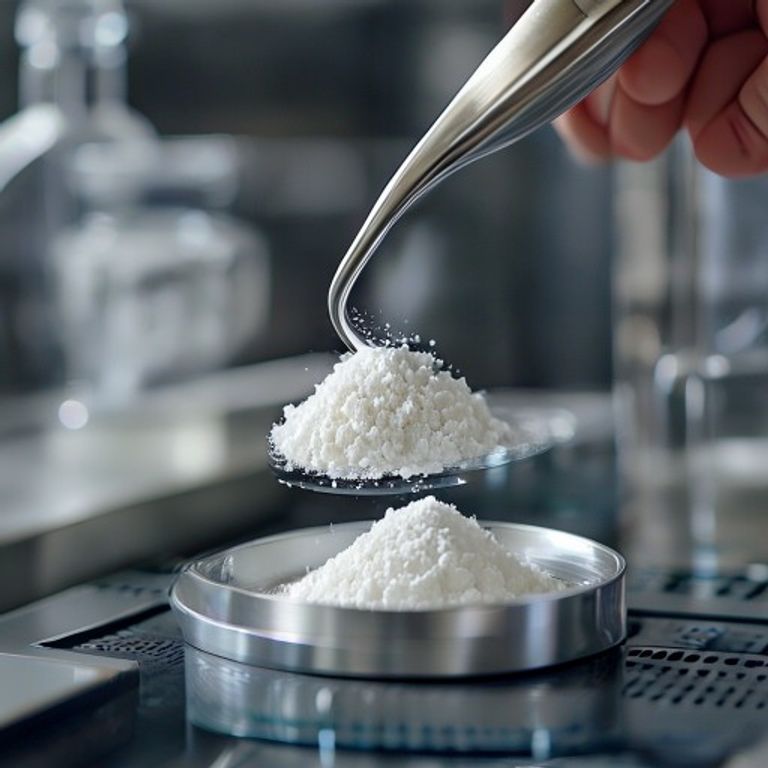
This is probably the most frequent use. When we need to move a small amount of solid reagent from its container to, say, a weighing boat, a beaker, or a test tube, the scoopula is our go-to tool. Its design allows for controlled transfer, minimizing spills and waste. Whether it’s a fine powder or a granular solid, the scoopula handles it with grace.
2. Accurate Chemical Weighing
Precision is paramount in chemistry. When we’re on a digital balance trying to weigh out exactly 0.5 grams of a substance, gently adding or removing tiny amounts is crucial. The scoopula’s thin blade and small scoop are perfect for this. We can slowly add material to the weighing boat until we hit our target weight, ensuring our experiments start with the right ratios.
3. Reagent Sampling
Imagine a large container of a particular chemical. We don’t want to contaminate the entire batch by sticking our hands or other non-sterile tools in it. The scoopula, especially when cleaned properly, allows us to take small, representative samples for analysis or experimentation without disturbing the bulk material unnecessarily. This is a critical aspect of Traitement des poudres in quality control and research labs.
Mastering the Art of Chemical Transfer: Proper Use of Scoopula for Chemical Transfer
Using a scoopula might seem straightforward, but there’s an art to doing it correctly and safely. Here’s how we ensure we’re doing it right:
- Hold it Firmly: Grip the scoopula like a pen, giving us maximum control.
- Scoop, Don’t Shovel: Gently scoop the desired amount of solid. For powders, a gentle scraping motion often works best.
- Controlled Pour: When transferring to a narrow opening (like a test tube), hold the scoopula at an angle and tap it gently against the lip of the receiving vessel. This creates a controlled “slide” of the chemical, preventing sudden dumps and spills.
- Work Over a Tray: Always work over a spill tray or a piece of weighing paper. If we accidentally drop some material, it’s contained and can often be recovered or safely disposed of without contaminating the work surface.
- Éviter la contamination croisée : Never use the same scoopula for different chemicals without thorough cleaning in between. This is absolutely critical to avoid unwanted reactions or invalid experimental results.
Beyond Basics: Advanced Scoopula Applications in Chemistry Experiments
While its main roles are transfer and weighing, the scoopula is surprisingly versatile:
- Mixing Small Amounts: For small-scale reactions in a watch glass or a tiny beaker, the flat end of the scoopula can be used to gently stir and mix powders.
- Crushing Aggregates: If a powder has formed small clumps (aggregates), the flat end can be used to gently break them up against a hard surface, like a mortar and pestle or a watch glass, to ensure uniform particle size.
- Scraping Residues: After a reaction, we might need to scrape residual solids from glassware. The scoopula is excellent for this, especially from the sides of a beaker or flask.
- Spreading and Leveling: In some chromatography techniques or preparation of solid samples for analysis, we might need to spread a thin, even layer of powder. The flat end of the scoopula does this beautifully.
Keeping It Clean: How to Clean and Maintain a Scoopula
A clean scoopula is a happy and safe scoopula! Proper maintenance is crucial for accuracy and to prevent contamination.
- Nettoyage immédiat : As soon as you’re done using it, clean the scoopula. Don’t let chemicals dry on it.
- Rincer: Rinse thoroughly with the appropriate solvent (often distilled water, but sometimes an organic solvent if the chemical isn’t water-soluble).
- Scrub: Use a brush and a laboratory detergent to scrub off any residues.
- Rincement final: Rinse again with distilled water to remove all traces of detergent.
- Sécher: Dry it completely. Air drying on a clean paper towel or using a lint-free cloth is best. Ensure no water spots remain, especially if working with hygroscopic materials.
- Stockage & #160;: Store clean scoopulas in a designated clean area, like a beaker covered with parafilm or a lab drawer, away from dust and other contaminants.
Choosing the Right Scoopula for Your Task
Just like you wouldn’t use a sledgehammer to tap a nail, selecting the right scoopula matters. Consider:
- Taille: Smaller scoopulas are for micro-scale work and very precise weighing. Larger ones are for bulk transfers.
- Matérielle Stainless steel is standard. For highly corrosive acids or bases, you might opt for specialized plastics or coated scoopulas to prevent corrosion.
- End Type: Do you need more of a scoop, or a flat spatula? Many scoopulas offer both, making them incredibly versatile.
Conclusion
So there you have it! The humble scoopula, far from being just a fancy spoon, is an indispensable outil de laboratoire that ensures precision, safety, and efficiency in countless chemistry experiments. From chemical weighing to powder handling and even delicate mixing, understanding its proper laboratory scoopula uses and maintenance is key to success in any lab setting. So next time you pick one up, give a little nod to this unsung hero of the lab bench!
FAQ
Q: Can I use a regular kitchen spoon instead of a scoopula in the lab?
A: No, absolutely not. Kitchen spoons are not made of lab-grade materials, can introduce contamination, and aren’t designed for the precision required in chemical handling. Always use proper laboratory equipment.
Q: How do I know which end of the scoopula to use?
A: Generally, the small scoop end is best for picking up and transferring powders and granules, while the flat spatula end is good for scraping, leveling, and gentle mixing.
Q: Is it okay to heat a scoopula to sterilize it?
A: While stainless steel can withstand high temperatures, it’s generally not recommended for routine sterilization unless specifically required and done under controlled conditions. For most lab work, thorough washing and rinsing are sufficient to prevent cross-contamination. Heating can also degrade the surface over time if not done properly.
Q: What’s the difference between a scoopula and a spatula?
A: A spatula typically has a broad, flat blade, while a scoopula combines a flat blade with a small scoop or spoon-like end, offering more versatility for both scraping and scooping tasks.
Q: How can I prevent static electricity when handling powders with a scoopula?
A: Static electricity can be a common issue. You can try grounding yourself and your equipment, working in a humid environment if possible, or using an anti-static mat. Some labs also have specialized scoopulas or techniques to minimize static charge.