

Comprendre la fonction pipette : Manipulation précise des liquides

Présentation
Quand on entre dans un laboratoire de biologie moderne, la première chose que l'on cherche souvent est une pipette. C'est le héros méconnu qui nous permet de déplacer des microlitres de liquide avec la précision d'un chirurgien. Mais vous êtes-vous jamais demandé comment une pipette fonctionne réellement ou pourquoi sa fonction est si cruciale pour des résultats reproductibles? Dans cet article, je vais vous guider dans les principes de base de la fonction pipette, le comparer avec des seringues, et partager des conseils pratiques pour résoudre les erreurs courantes. À la fin, vous vous sentirez confiant que chaque goutte que vous distribuez est exactement où il devrait être.
Comment fonctionne une pipette au laboratoire?
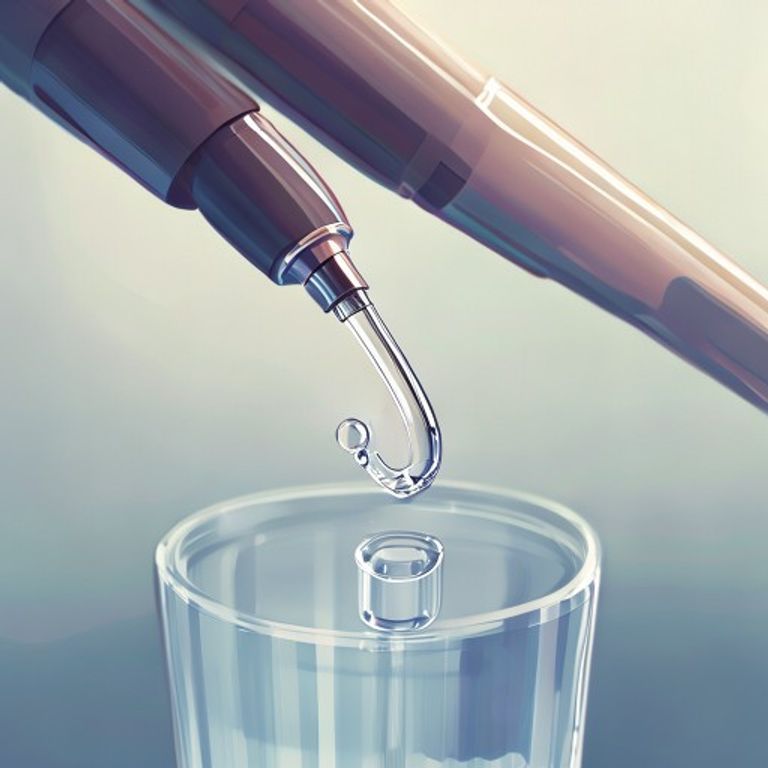
Une pipette est essentiellement un dispositif perfectionné de déplacement de l'air ou de déplacement positif qui convertit un mouvement mécanique en un volume contrôlé de liquide. C'est une analogie simple : pensez à une seringue comme une pompe à vélo qui pousse l'air, alors qu'une pipette ressemble plus à une seringue de précision qui tire d'abord de l'air (ou un piston) pour créer un vide, puis tire du liquide dans l'extrémité.
- Aspiration: Appuyez sur le piston au premier arrêt, libérant une poche d'air.
- Délivrance: Relâchez le piston lentement; la poche d'air pousse le liquide hors de l'extrémité.
Cette motion en deux étapes nous donne Précision volumétrique qui est essentiel pour les protocoles de biologie moléculaire tels que PCR, qPCR et ELISA.
Fonction pipette pour la mesure précise des liquides
L'exactitude n'est pas à peu près les nombres sur le cadran; il s'agit de la façon dont l'ensemble du système fonctionne ensemble:
- Étalonnage: Vérifiez régulièrement la pipette par rapport à un étalon gravimétrique. Un écart de ±0,5 % est généralement acceptable pour la plupart des travaux de recherche.
- Compatibilité du tuyau & #160;: Utilisez la bonne taille de pointe. Une pointe surdimensionnée peut causer une perte de volume mort, tandis qu'une pointe trop petite peut augmenter la résistance.
- Contrôle de température: Les liquides se développent ou se contractent avec la température. Gardez votre pipette et vos réactifs à la même température pour éviter les erreurs systématiques.
Lorsque vous maîtrisez ces détails, la pipette devient un partenaire fiable plutôt qu'une source de frustration.
Différence entre la fonction pipette et la seringue
Les deux outils déplacent le liquide, mais leurs mécanismes diffèrent :
- Déplacement aérien contre déplacement direct : La plupart des pipettes utilisent le déplacement de l'air, ce qui signifie que le piston déplace l'air qui pousse ensuite le liquide. Les seringues poussent le liquide directement avec le piston.
- Gamme de volume & #160;: Les pipettes excellent de microlitres à millilitres, tandis que les seringues sont meilleures pour les plus gros volumes (≥1 mL) et les fluides visqueux.
- Précision : Les pipettes sont étalonnées pour la répétabilité; les seringues dépendent de la stabilité de l'opérateur.
Si vous devez manipuler des solutions très visqueuses comme le glycérol, une seringue peut être plus pratique, mais pour les extractions d'ADN de routine, la fonction de la pipette brille.
Fonction pipette dans les protocoles de biologie moléculaire
Dans des protocoles comme le PCR, le succès de la réaction dépend de l'ajout de 2 μL de mélange d'amorce. Une petite erreur peut changer radicalement la valeur du seuil de cycle (Ct). Voici comment j'intègre les meilleures pratiques de pipette dans mon workflow:
- Pré-humidifier la pointe en aspirant et en distribuant le même volume trois fois.
- Réglez le volume, puis appuyez sur le piston au premier arrêt avant d'aspirer.
- Touchez l'extrémité du tube pour éviter les bulles d'air.
- Dispensez lentement et relâchez le piston au deuxième arrêt pour expulser le liquide résiduel.
Après ces étapes réduit la variabilité et maintient vos courbes qPCR lisses.
Erreurs de fonctionnement de la pipette
Même les meilleures pipettes peuvent mal se comporter. Voici les symptômes courants et les corrections rapides:
- Volumes incompatibles: Vérifiez les joints O usés ou les joints endommagés. Remplacez le kit d'étanchéité.
- Les bulles d'air dans la pointe: Pré-humidifier l'extrémité et s'assurer que l'extrémité est solidement fixée.
- Peintre à fuite: Nettoyer l'intérieur du baril; le liquide résiduel peut causer un glissement.
- Mauvaise lecture du volume: Recalculer à l'aide d'un bilan certifié.
En cas de doute, consultez le manuel de service du fabricant ou consultez un collègue principal.
Intégrer les soins de pipette à la sécurité générale du laboratoire
Tout en se concentrant sur la fonction pipette, ne pas oublier le contexte de sécurité plus large. Par exemple, lorsque vous échauffez des échantillons sur une plaque chaude, en utilisant une écurie Trépied de laboratoire prévient les déversements qui pourraient endommager votre pointe de pipette ou causer une contamination croisée. De même, une bonne manipulation des réactifs solides avec Spatule de laboratoire assure que vous n'introduisez pas de particules indésirables dans vos mesures liquides.
Conclusion
La fonction pipette est plus qu'une simple action mécanique ; c'est un mélange de physique, d'ergonomie et de bonnes pratiques de laboratoire. En comprenant comment il fonctionne, en maintenant l'étalonnage et le dépannage rapidement, vous pouvez atteindre la précision volumétrique que la recherche moderne exige. Donc la prochaine fois que vous prenez une pipette, rappelez-vous qu'il n'est pas juste un outil—Il est un partenaire de précision dans chaque expérience.
FAQ
Q: Combien de fois dois-je calibrer ma pipette?
R : Au moins une fois par mois pour les travaux de haute précision, ou chaque fois que vous remarquez une dérive dans le volume.
Q: Puis-je utiliser la même pipette pour les solvants aqueux et organiques?
R : Oui, mais nettoyez soigneusement la pipette entre les utilisations pour éviter toute contamination croisée.
Q: Quel est le principal avantage d'une pipette à déplacement positif?
R: Il contacte directement le liquide, le rendant idéal pour les solutions visqueuses ou volatiles où le déplacement de l'air serait inexact.
Q: Pourquoi ma pipette distribue-t-elle une petite gouttette après le deuxième arrêt?
R: C'est du liquide résiduel dans la pointe. Appuyez sur le piston jusqu'au deuxième arrêt puis touchez doucement l'extrémité du tube pour l'expulser.
Q: Est-il acceptable de réutiliser des pourboires jetables?
R: Généralement non. Les conseils de réutilisation peuvent introduire la contamination et affecter la précision.