


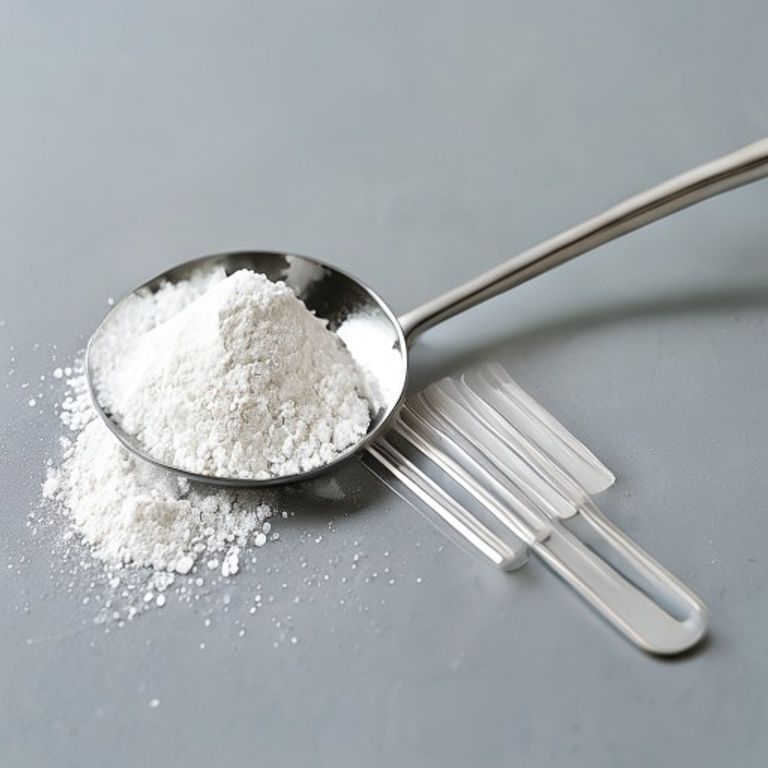
Guide ultime des spatules de laboratoire : types, utilisations et conseils d'achat

Présentation
Quand on entre dans un laboratoire de chimie, la première chose que l'on remarque n'est pas le spectromètre fantaisie ou la hotte de fumée imposante – c'est les outils humbles dispersés sur le banc. Parmi eux, les spatule de laboratoire est un petit mais puissant cheval de travail. Que vous écopiez une poudre, transfériez un réactif ou nettoyiez un résidu, une bonne spatule peut faire la différence entre une expérience lisse et un désastre désordonné. Dans ce guide, je vais vous guider à travers tout ce que vous devez savoir sur les spatules de laboratoire, des différents matériaux et conceptions aux conseils pratiques d'achat.
À quoi sert une spatule de laboratoire?
Pensez à une spatule de laboratoire comme la « cuillère » du monde de la chimie, mais beaucoup plus polyvalent. Voici les tâches les plus courantes :
- Transfert de réactif: Déplacer rapidement les produits chimiques solides d'un contenant vers un récipient de réaction sans déversement.
- Échantillonnage: Prenez une quantité précise de poudre pour l'analyse – la version de laboratoire d'une cuillère à café.
- Mélange et graissage: Résidus de graminées provenant de béchers ou mélangez de petites quantités de solides.
- Nettoyage: Utilisez une spatule jetable pour ramasser les déchets ou nettoyer la verrerie sans contaminer d'autres outils.
Comme nous travaillons souvent avec des substances réactives ou hygroscopiques, le bon matériel de spatule peut protéger l'échantillon et l'utilisateur.
Types de spatules de laboratoire
1. Spatules en acier inoxydable
L'acier inoxydable est le choix classique. Il est durable, résistant à la chaleur et facile à stériliser. Si vous cherchez un prix de la spatule de laboratoire en acier inoxydable qui correspond à votre budget, vous trouverez des options allant de $2 à $10 par pièce, selon la taille et la finition.
- Meilleur pour : travail à haute température, acides/bases forts, autoclave répétée.
- Inconvénients: peuvent réagir avec des halogénures très agressifs; plus lourds que le plastique.
2. Spatules en plastique (polypropylène ou PTFE)
Ils sont légers, résistants chimiquement et souvent jetables. Le polypropylène gère la plupart des solvants organiques, tandis que le PTFE (Teflon) survit aux produits chimiques les plus dures.
- Meilleur pour : transferts routiniers de poudres non corrosives, environnements propres.
- Inconvénients: moins résistant à la chaleur; peut fondre au-dessus de 150 °C.
3. Spatules jetables de laboratoire (Bulk)
Quand la contamination est une grande préoccupation, les spatules jetables sont un sauveteur. L'achat en vrac réduit le coût unitaire et vous assure d'avoir toujours un nouvel outil prêt.
- Prix typique: $15-$30 pour un paquet de 500.
- Idéal pour : les laboratoires de microbiologie, l'échantillonnage pharmaceutique, ou tout travail nécessitant la stérilité.
4. Spatules de micro laboratoire
Ces spatules minuscules (souvent < 5 mm de large) sont parfaites pour manipuler des quantités infimes de matériaux, par exemple en chimie analytique ou en travaillant avec des catalyseurs précieux.
Trouver une fiabilité fournisseur de spatule de micro laboratoire peut être difficile, mais de nombreux vendeurs spécialisés offrent des ensembles avec des formes de pointe variées pour un travail précis.
Choisir la bonne Spatule pour votre application
Voici un arbre de décision rapide que vous pouvez utiliser la prochaine fois que vous restockez le banc:
- Si vous avez besoin résistance à la chaleur → acier inoxydable.
- Si vous travaillez avec acides forts ou bases → Plastique enduit PTFE.
- Si vous manipulez petits échantillons → micro spatule ensemble.
- Si vous voulez éviter la contamination croisée → spatules jetables en vrac.
Conseils pratiques pour l'utilisation et le maintien de spatules de laboratoire
- Ne jamais réutiliser une spatule jetable: Même un minuscule résidu peut fausser les résultats.
- Nettoyer l'acier inoxydable immédiatement après utilisation: Rincer avec de l'eau désionisée, puis essuyer avec un chiffon sans peluche.
- Entreposer les spatules en plastique dans un récipient sec: L'humidité peut dégrader certains polymères au fil du temps.
- Étiqueter différentes formes de pointe: Un bout plat est idéal pour scooping, tandis qu'un bout pointu excelle à scraping.
Outils connexes de laboratoire Vous pourriez déjà propres
Pendant que vous êtes peaufiner votre collection de spatules, considérez comment il fonctionne avec d'autres outils communs:
- Utilisations des plaques pour le dépistage rapide – une spatule vous aide à déposer des gouttes précises.
- Mortier et pilon de laboratoire pour broyer les solides avant de les transférer avec une spatule.
Conclusion
Même si une spatule de laboratoire semble simple, choisir le bon type peut augmenter la précision, la sécurité et l'efficacité dans le laboratoire. Que vous optiez pour une scoop en acier inoxydable robuste, une lame PTFE résistante chimiquement ou un paquet d'outils jetables en plastique, la clé correspond au matériau à la tâche. Gardez les conseils ci-dessus à l'esprit, et vous n'aurez plus jamais à vous soucier d'une poudre renversée.
FAQ
Q: Puis-je utiliser une spatule de cuisine pour les travaux de laboratoire?
R: Ce n'est pas recommandé. Les outils de cuisine ne sont pas conçus pour la résistance chimique et peuvent introduire des contaminants.
Q: Combien de fois dois-je remplacer ma spatule en acier inoxydable?
R: Tant qu'il est exempt de fissures, de corrosion et de résidus, il peut durer des années. Remplacer si vous remarquez des bords ternes ou de la rouille.
Q: Les spatules jetables sont-elles sûres pour la manipulation de produits chimiques dangereux?
R : Oui, tant que le matériau (habituellement le polypropylène) est compatible avec le produit chimique. Vérifiez toujours le tableau de compatibilité du fabricant.
Q: Quelle taille de spatule dois-je acheter pour le travail à micro échelle?
R : Recherchez des spatules d'une largeur de pointe de 2 à 5 mm. Certains sets incluent plusieurs tailles pour la flexibilité.
Q: Puis-je stériliser les spatules plastiques?
R : La plupart des plastiques jetables ne résistent pas aux températures autoclaves. Utilisez-les une fois et jetez-les, ou choisissez un polymère thermostable si la stérilisation est nécessaire.







