

Le guide essentiel pour les utilisations de flocons d'Erlenmeyer : le brouillage, le titrage et au-delà

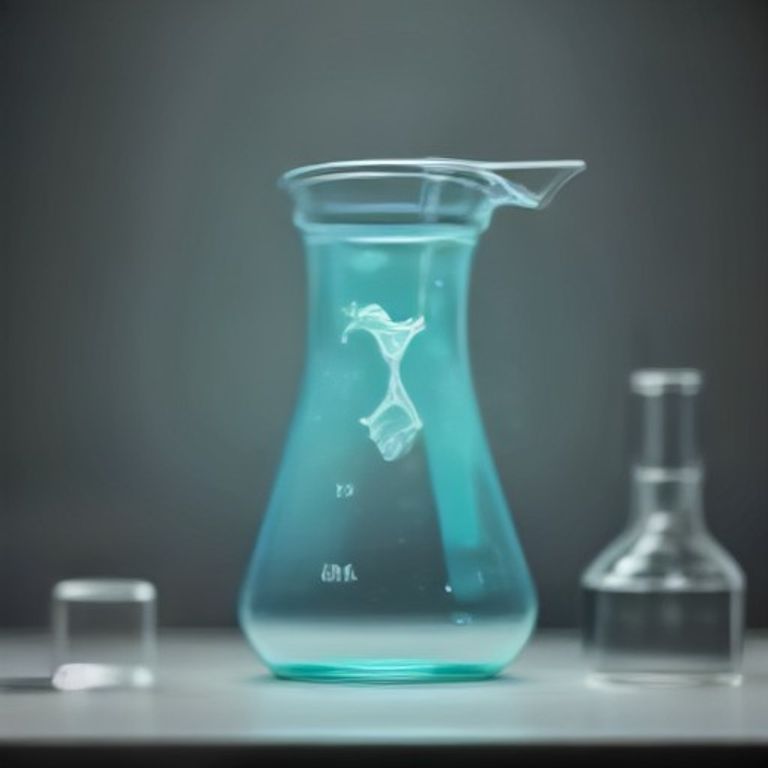
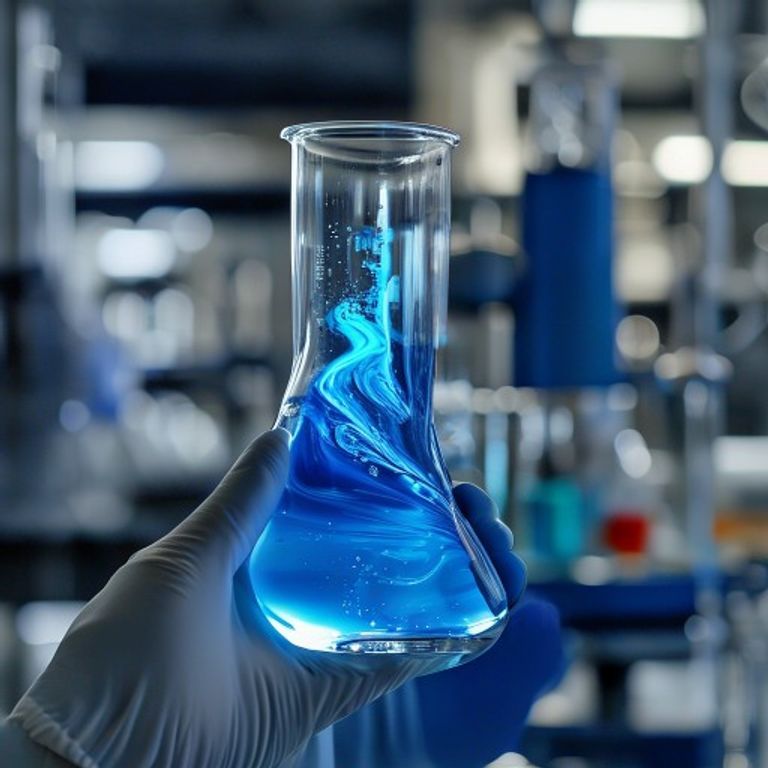
Entrez dans presque n'importe quel laboratoire de chimie, et vous êtes obligé de voir une fiole Erlenmeyer. Cette pièce emblématique verrerie de laboratoire, avec sa forme conique distinctive, est un vrai cheval de travail. Mais avez-vous jamais cessé de penser à pourquoi il ressemble à ce qu'il fait, ou
Quelles sont les principales applications d'un flacon Erlenmeyer ? C'est bien plus qu'un joli visage; sa conception est parfaitement adaptée à une myriade de tâches qui rendent nos expériences de chimie plus fluides et plus efficaces. Laissez plonger dans le monde fascinant de la fiole Erlenmeyer et découvrez pourquoi il est un outil indispensable pour les chimistes partout.
Pour moi, le flacon d'Erlenmeyer rappelle toujours les innombrables heures passées au labo, effectuant méticuleusement des titrages ou préparant simplement des solutions. C'est l'un de ces équipements fondamentaux que vous apprenez rapidement à apprécier pour sa polyvalence et sa conception intelligente.
Le génie derrière la forme conique : pourquoi ça compte
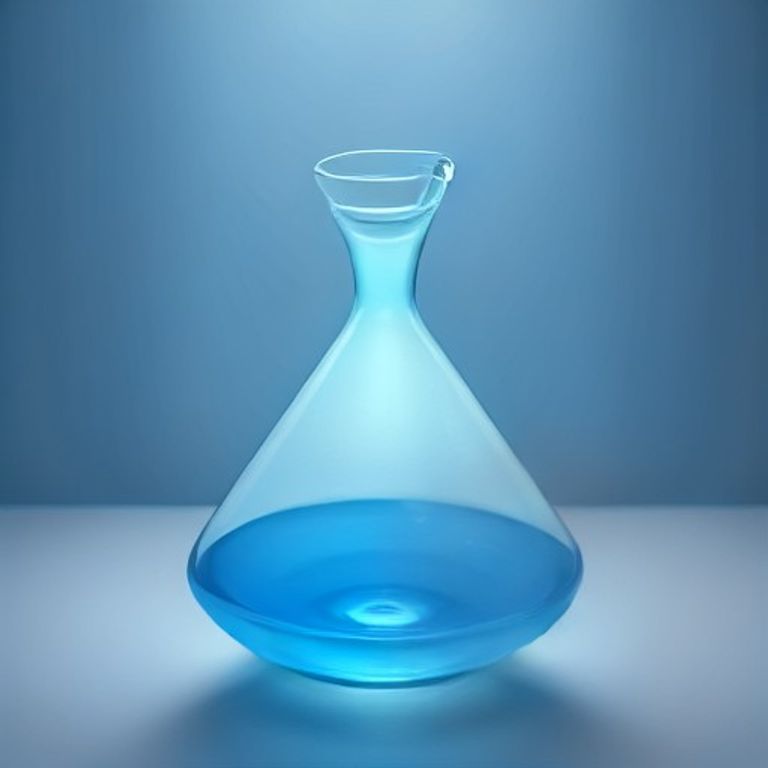
Tout d'abord, pourquoi un flacon Erlenmeyer est-il en forme de cône avec un cou étroit ? Ce n'est pas seulement pour l'esthétique, croyez-moi. Ce design unique est le secret de nombreux de ses avantages. Contrairement à un bécher, qui a des côtés droits et une bouche large, la fiole Erlenmeyer s'est effilée et l'ouverture restreinte réduit considérablement les risques de déversements et d'évaporation du solvant.
Cette forme joue également un rôle crucial en matière de mélange. Avez-vous déjà essayé de tourner vigoureusement une solution dans un bécher sans qu'elle écrase les côtés ? C'est une affaire merdique ! Cela nous amène à l'une des questions les plus courantes:
Pourquoi une fiole Erlenmeyer est-elle utilisée pour tourner? La réponse réside dans sa conception. La base conique permet de mélanger les liquides avec un mouvement tourbillonnant sans éclaboussure, créant une excellente agitation et assurant des solutions homogènes sans avoir à remuer des barres ou des agitateurs pour des tâches simples de mélange. C'est un avantage Erlenmeyer pour le mélange de solutions qui est difficile à battre.
Fonctions communes de laboratoire d'un flask Erlenmeyer
Laissez-nous aller à la pratique
Erlenmeyer flask utilise dans diverses expériences de chimie. Vous seriez surpris combien de rôles cette humble pièce de verre peut jouer:
1. Mastering Titration: Précision dans la pratique
Si vous avez déjà effectué une titration, vous savez que le flacon Erlenmeyer est votre meilleur ami. C'est sans doute l'un de ses plus critiques
objectifs spécifiques des flacons Erlenmeyer en chimie. Lorsque nous effectuons
titration, nous ajoutons lentement une solution de concentration connue (le titre) à une solution de concentration inconnue (l'analyte) jusqu'à ce qu'une réaction soit complète, souvent indiquée par un changement de couleur. Le col étroit de la fiole conique permet d'ajouter soigneusement le titre d'une burette, empêchant ainsi les pertes dues aux éclaboussures. De plus, la large base nous donne beaucoup de place pour tourner la fiole pour assurer un mélange complet des réactifs au fur et à mesure que le titrage progresse.
2. Mélanger et préparer des solutions efficacement
Comme nous l'avons mentionné plus tôt, le flacon Erlenmeyer est fantastique pour le mélange. Que vous dissolviez un solide dans un solvant, qu'il dilue un acide concentré ou qu'il prépare simplement un tampon, sa conception rend le processus beaucoup plus sûr et plus propre. Nous pouvons tourner vigoureusement pour accélérer la dissolution sans nous soucier du déversement, ce qui en fait un excellent choix pour la préparation de la solution générale où la mesure précise du volume n'est pas l'objectif principal. Pour les cas où vous devez mesurer précisément les liquides, rappelez-vous qu'un flacon Erlenmeyer est aussi précis qu'un cylindre gradué, qui est conçu spécifiquement à cette fin.
3. Réactions au chauffage et à l'ébullition
Yes, you can heat an Erlenmeyer flask! Made from borosilicate glass (like Pyrex), these flasks can withstand significant temperature changes. When heating a solution over a Bunsen burner or on a hot plate, the narrow neck helps to minimize solvent loss through evaporation compared to an open beaker. This is especially useful for reactions that require heating under reflux or gentle boiling, where minimizing volume changes is important. Just remember to use appropriate lab safety equipment and never heat a sealed flask!
4. Culturation des microorganismes et applications biologiques
Beyond chemistry, Erlenmeyer flasks also find a home in biology labs. They are commonly used for culturing microorganisms like bacteria, yeast, or algae. The conical shape and the ability to be stoppered (with a cotton plug or cap to allow gas exchange while maintaining sterility) make them ideal vessels for growing liquid cultures. The wide base provides a good surface area to volume ratio for aeration when placed on a shaker incubator, promoting optimal growth conditions.
5. Stockage et transport temporaires
While not designed for long-term storage of highly volatile chemicals, Erlenmeyer flasks are excellent for temporary storage of solutions during an experiment. Their narrow neck allows them to be easily stoppered or covered, protecting the contents from contamination or excessive evaporation. They’re also convenient for transporting liquids safely around the lab thanks to their stable base and reduced spill risk.
Erlenmeyer Flask vs. Beaker: un regard rapide
Often, beginners might confuse an Erlenmeyer flask with a beaker, or wonder which one to use. Here’s a quick rule of thumb:
- Erlenmeyer Flask: Best for mixing, swirling, titrations, heating with minimal evaporation, and containing reactions. Its narrow neck is key for preventing spills.
- Bécher : Ideal for holding liquids, rough measurements, heating large volumes, and pouring. Its wide mouth makes it easy to add solids or stir with a rod.
Each has its distinct advantages, and understanding these helps us choose the right tool for the job. Sometimes, we even use a funnel to help transfer liquids into the narrow neck of an Erlenmeyer flask, avoiding any mess.
Conclusion
From the precise art of titration to the simple act of mixing a solution, the Erlenmeyer flask truly earns its spot as one of the most versatile and essential pieces of
laboratory glassware. Its clever conical design is not just a scientific aesthetic; it’s a functional masterpiece that helps us perform countless
chemistry experiments safely and efficiently. So, the next time you spot an Erlenmeyer flask in the lab, you’ll know it’s doing a whole lot more than just sitting there!
Foire aux questions (FAQ)
Q1 : Est-ce qu'un flacon Erlenmeyer peut être utilisé pour des mesures précises du volume?
A1: No, Erlenmeyer flasks are designed for mixing, heating, and reactions, not for precise volume measurement. While they have markings, these are only approximate. For accurate volume measurements, you should use a graduated cylinder, volumetric flask, or a pipette.
Q2: Est-il sûr de chauffer une fiole Erlenmeyer directement sur une flamme?
A2: Yes, Erlenmeyer flasks made from borosilicate glass are designed to withstand direct heating over a Bunsen burner or on a hot plate. However, always ensure the flask is not sealed, as pressure buildup can be dangerous. Also, use a wire gauze with a ceramic center if heating directly over a flame to ensure even heating and support.
Q3: Quel est l'avantage principal d'un flacon Erlenmeyer sur un bécher pour le mélange?
A3: The main advantage is its conical shape and narrow neck, which allow for vigorous swirling and mixing of solutions without spilling. Beakers, with their wide mouths, are prone to splashing when swirled.
Q4: Puis-je stocker des produits chimiques à long terme dans une fiole Erlenmeyer?
A4: While they can be used for temporary storage, Erlenmeyer flasks are generally not ideal for long-term storage of chemicals, especially volatile ones. Specialized storage bottles with tight-fitting caps are usually preferred for long-term storage to prevent evaporation, degradation, or contamination.