Guide essentiel pour choisir la bonne bouteille de lavage pour votre laboratoire

Présentation
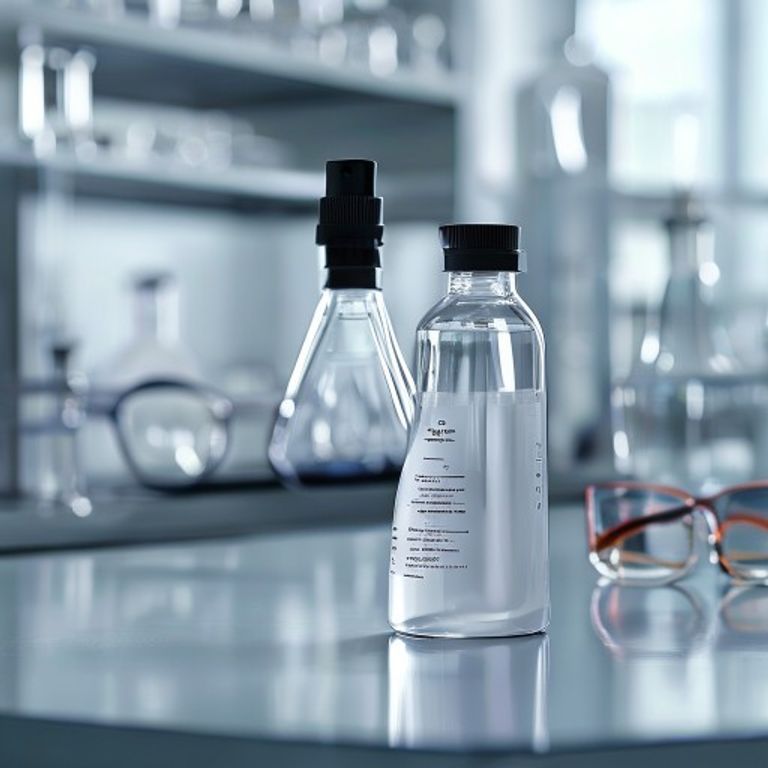
Lorsque nous installons un banc dans le laboratoire, l'un des outils les plus petits mais les plus indispensables que nous surveillons souvent est la bouteille de lavage. Que vous rinçiez la verrerie, que vous diluiez les réactifs ou que vous effectuiez un nettoyage rapide, le bon flacon de lavage peut faire la différence entre un flux de travail lisse et une interruption désordonnée. Dans ce guide, je vais vous guider à travers les caractéristiques clés à rechercher, les différents types disponibles, et des conseils pratiques pour garder votre bouteille de lavage sécuritaire et efficace.
Pourquoi une bonne bouteille de lavage importe
Considérez une bouteille de lavage comme le « pistolet à eau » du labo. Tout comme un jouet d'enfant qui pulvérise l'eau précisément, une bouteille de lavage bien conçue offre un flux stable et contrôlable qui vous aide:
- Maintenir la sécurité chimique en prévenant les éclaboussures.
- Gagnez du temps pendant le rinçage de la verrerie.
- Réduire le gaspillage de réactifs coûteux.
Choisir le mauvais peut entraîner des fuites, la contamination, ou même la rupture d'équipement délicat.
Types de bouteilles de lavage et leurs meilleures utilisations
1. Bouteille de lavage de laboratoire pour la sécurité chimique
Ce type est généralement livré avec un corps robuste et résistant chimiquement (souvent HDPE ou polypropylène) et une buse étanche. Il est parfait pour manipuler les acides corrosifs ou les bases parce que le matériau ne se dégrade pas au fil du temps.
2. Bouteille de lavage en verre avec marquages gradués
Si vous devez mesurer les volumes en déplacement, une bouteille de lavage en verre avec des marques graduées claires est un changement de jeu. La conception transparente vous permet de voir la quantité exacte de liquide restante, réduisant ainsi le risque de courir à sec en milieu de procédure.
3. Bouteille de lavage autoclavable pour laboratoires de microbiologie
Dans des environnements stériles, une bouteille autoclavable en verre borosilicate ou en polymère résistant à la température élevée vous permet de la stériliser sans déformation. Ceci est essentiel pour les travaux de microbiologie où la lutte contre la contamination est essentielle.
4. Bouteille de lavage jetable pour utilisation en laboratoire
Lorsque vous avez affaire à des produits chimiques hautement dangereux ou à usage unique, une bouteille de lavage jetable élimine le besoin de nettoyage et de décontamination. Utilisez-le une fois et jetez-le en toute sécurité.
5. Bouteille de lavage rechargeable avec conception ergonomique
Les bouteilles ergonomiques disposent d'une poignée contournée et d'une pompe à action lisse, réduisant ainsi la fatigue des mains pendant les longues séances de rinçage. Des designs rechargeables vous permettent également de changer rapidement de liquide—idéal pour les laboratoires qui jonglent avec plusieurs solvants.
Principales caractéristiques à évaluer
- Compatibilité des matériaux: Assurez-vous que le matériau de la bouteille résiste aux produits chimiques que vous allez utiliser.
- Contrôle de la buse: Une option fine-mist ou stream vous donne de la flexibilité.
- Capacité: Les tailles courantes varient de 250 mL à 1 L; choisissez celle qui correspond à votre workflow.
- Marquages: Les bouteilles graduées vous aident à surveiller le volume en un coup d'oeil.
- Capacité de stérilisation : Les bouteilles autoclavables sont un must pour des applications stériles.
Conseils pratiques pour maintenir votre bouteille de lavage
Même la meilleure bouteille a besoin de soins appropriés:
- Rincer après chaque utilisation: Fumer avec de l'eau distillée pour éviter l'accumulation de résidus.
- Contenu de l'étiquette: Utilisez des étiquettes étanches pour éviter les mixages.
- A conserver debout: Ceci empêche les fuites accidentelles et maintient la buse propre.
- Inspection régulière: Recherchez des fissures ou des joints usés; remplacez-les avant qu'ils échouent.
Pour une vue plus large sur l'équipement de sécurité de laboratoire, consultez le laboratoire de seringues sûr et efficace guide, qui couvre des outils complémentaires comme les seringues et les bouteilles de lavage.
Choisir la bonne bouteille de lavage pour votre laboratoire
Voici une matrice de décision rapide pour vous aider à choisir:
| Demande | Bouteille recommandée |
|---|---|
| Manipulation des acides/bases forts | Flacon de lavage sans danger pour les produits chimiques |
| Mesure des liquides à la volée | Flacon de lavage en verre avec marquage gradué |
| Microbiologie/travail stérile | Flacon de lavage autoclavable |
| Produits chimiques dangereux à usage unique | Bouteille de lavage jetable |
| Longues séances de rinçage | Flacon de lavage ergonomique rechargeable |
Conclusion
Choisir la bonne bouteille de lavage n'est pas juste à propos de choisir un conteneur; il est à propos d'améliorer la sécurité, l'efficacité et la précision dans le travail de laboratoire quotidien. En associant le matériel, la capacité et les caractéristiques de la bouteille à vos tâches spécifiques, vous passerez moins de temps à gérer les déversements et plus de temps à vous concentrer sur la science.
FAQ
Q: Puis-je utiliser une bouteille en plastique ordinaire comme une bouteille de lavage?
R: C'est possible, mais les bouteilles régulières manquent souvent d'une buse sûre et d'une résistance chimique, augmentant le risque de fuites et de contamination.
Q: À quelle fréquence dois-je remplacer mon flacon de lavage?
R : Inspectez-le chaque semaine; remplacez si vous remarquez des fissures, des joints dégradés ou des odeurs persistantes qui suggèrent une dégradation chimique.
Q: Est-il sécuritaire de stocker des solvants dans une bouteille de lavage?
R: Seulement si le matériau du flacon est compatible avec le solvant. Vérifiez toujours le tableau de compatibilité chimique du fabricant.
Q: Les bouteilles de lavage en verre ont-elles besoin d'une manipulation spéciale?
R: Oui, manipulez-les doucement pour éviter les ruptures, et envisagez d'utiliser un manchon protecteur si vous les transportez fréquemment.
Q: Puis-je autoclaver une bouteille de lavage en plastique?
A: Seulement si elle est spécifiquement étiquetée comme autoclave. Sinon, des températures élevées peuvent déformer le plastique.