

Le Guide essentiel des utilisations de bécher en chimie : plus qu'un simple contenant

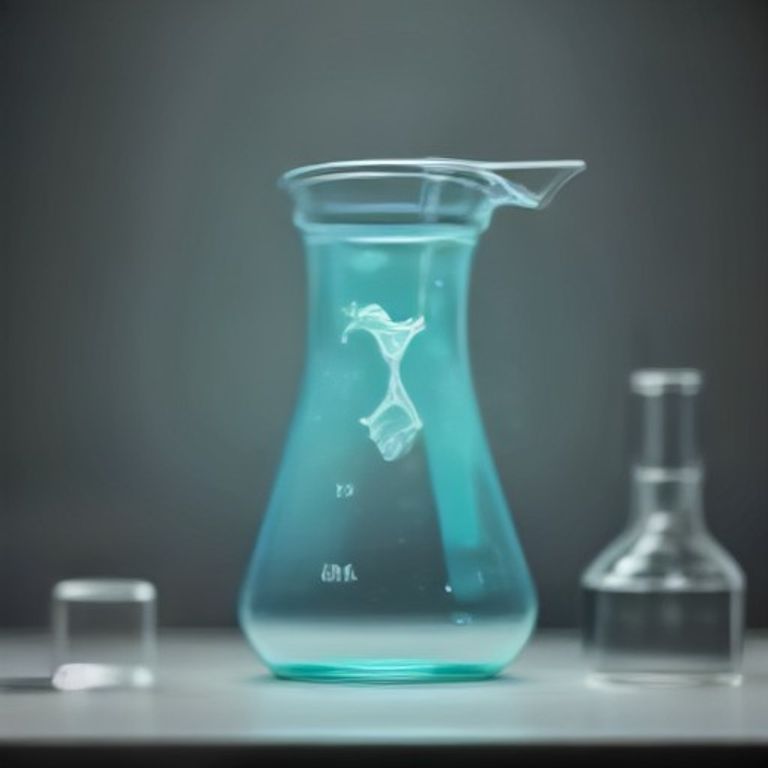
Lorsque nous entrons dans un laboratoire de chimie, nos yeux gravitent souvent vers l'équipement flashy – les spectrophotomètres complexes, les installations complexes de distillation, ou les réactions bouillonnantes dans une fiole. Mais parfois, les outils les plus cruciaux sont ceux que nous tenons pour acquis. Aujourd'hui, je veux que nous regardions de plus près un tel héros méconnu : le bécher. Tu pourrais penser, "C'est juste une tasse de verre, non?" Eh bien, vous seriez surpris par la polyvalence et l'importance de ce morceau fondamental de verrerie de laboratoire. Laissez plonger dans les utilisations primaires des béchers en chimie et découvrez pourquoi ils sont indispensables.
Des cours d'introduction à la recherche avancée, les béchers jouent un rôle central dans presque toutes les expériences. Bien qu'ils puissent sembler simples, leur conception les rend parfaits pour un large éventail de tâches. Alors, quelles sont exactement ces applications détaillées des béchers dans les expériences chimiques ? Laisse tomber.
Le mélangeur polyvalent : solutions de brassage et de mélange
L'une des tâches les plus fréquentes d'un laboratoire de chimie est le mélange de produits chimiques. Que ce soit la dissolution d'un solide dans un solvant ou la combinaison de deux liquides pour déclencher une réaction, les béchers sont nos récipients. Leur large bouche et leur forme cylindrique les rendent idéales pour remuer, que nous utilisions une tige en verre, un agitateur magnétique ou même simplement tourbillonner à la main. Imaginez essayer de mélanger une pâte à gâteau dans une grande bouteille étroite – ce serait un cauchemar! De même, le bécher agit comme le bol de mélange parfait pour nos concoctions chimiques, permettant une homogénéisation efficace et approfondie des solutions. Si vous voulez approfondir votre recherche mélange parfait dans le laboratoire, explorer divers outils d'agitation peut vraiment faire une différence.
Aide au chauffage : réchauffez vos expériences en toute sécurité
De nombreuses réactions chimiques nécessitent de la chaleur pour procéder ou accélérer. Les béchers, en particulier ceux en verre borosilicate (comme Pyrex ou Kimax), sont spécialement conçus pour résister aux changements rapides de température sans fissuration. Ce qui en fait d'excellents vaisseaux pour des solutions de chauffage. Nous pouvons placer un bécher directement sur une plaque chaude, ou si nous avons besoin de chaleur plus intense, nous pouvons utiliser un brûleur Bunsen avec une gaze filaire pour distribuer la flamme uniformément. Pensez-y comme votre casserole chimique ! La bouche large permet également une évaporation facile si nous devons concentrer une solution ou sécher un précipité.
Conteneur temporaire & Réactifs de détention
Parfois, nous avons juste besoin d'un endroit pour tenir les choses temporairement. Les béchers sont parfaits pour ça. Ils sont souvent utilisés pour tenir des solutions de stock, recueillir des déchets lors d'une expérience, ou simplement stocker temporairement un liquide pendant que nous préparons d'autres parties d'une expérience. Leur bec de déversement facilite le transfert des liquides, minimisant les déversements. Nous pourrions verser un réactif dans un bécher d'une bouteille plus grande avant de l'ajouter à notre récipient de réaction principal, rendant le processus plus propre et plus contrôlé.
Mesure simple (approximation seulement)
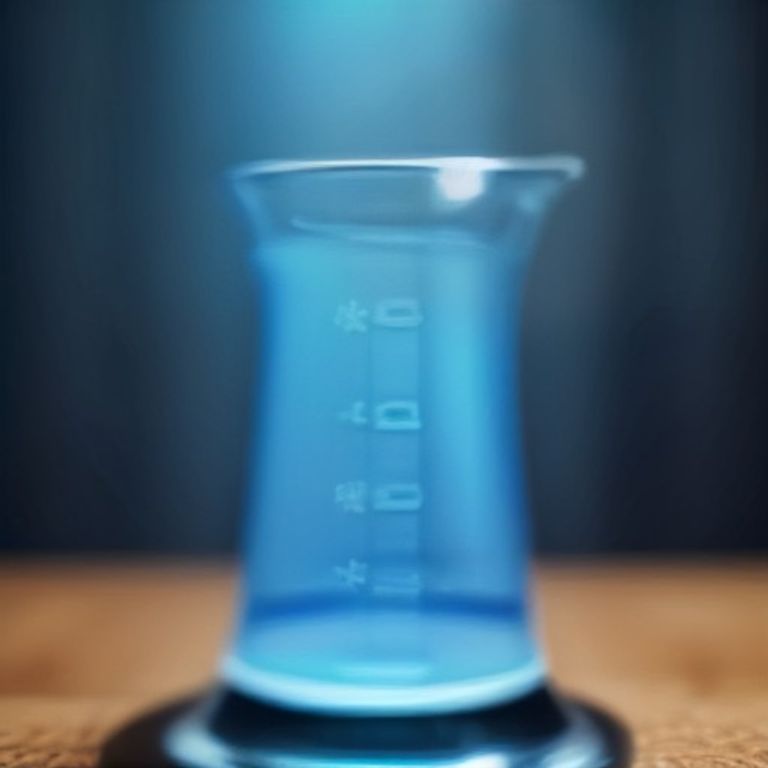
Alors que les béchers ont des marques de volume sur leurs côtés, il est crucial de se rappeler que ces *approximative* mesures seulement. Nous parlons d'un niveau de précision d'environ ±5%, ce qui est très bien à de nombreuses fins générales, comme des estimations approximatives ou la préparation de solutions où les concentrations exactes ne sont pas critiques. Cependant, si la précision est primordiale, nous ne devrions jamais compter uniquement sur un bécher. Pour des mesures précises du volume, nous avons atteint un cylindre gradué ou, pour le plus haut niveau de précision, fonction de flacon volumétrique pour une précision ultime. C'est comme utiliser une tasse de mesure de cuisine pour la cuisson contre une échelle industrielle pour le pesage précis des ingrédients – différents outils pour différents niveaux de précision.
Faciliter la filtration et la décantation
Lors de l'exécution des techniques de séparation, les béchers jouent souvent un rôle de support. Pendant la filtration, nous pouvons utiliser un bécher pour recueillir le liquide filtré (filtrat) passant par le papier filtrant. Sa large ouverture facilite la position des entonnoirs au-dessus. De même, en décantation, où l'on déverse soigneusement un liquide d'un précipité solide, un bécher est un récipient idéal pour recevoir le liquide décanté, grâce à son écoulement pratique.
Conclusion
Donc, la prochaine fois que vous verrez un bécher au labo, j'espère que vous le regarderez avec un nouveau respect ! Il peut sembler comme l'équipement le plus basique, mais sa polyvalence comme un récipient de mélange, un récipient de chauffage, une unité de stockage temporaire, et même un dispositif de mesure rugueux en fait un cheval de travail absolu. Comprendre la manipulation et l'utilisation correctes des béchers pour diverses tâches de laboratoire n'est pas seulement suivre les règles; il s'agit d'apprécier comment ce simple morceau de verre nous permet de mener d'innombrables expériences chimiques en toute sécurité et efficacement. C'est plus qu'un verre.
Foire aux questions (FAQ)
Q1: Pourquoi les béchers ne sont-ils pas utilisés pour des mesures précises?
R: Les béchers ont une bouche large et leurs graduations ne sont généralement pas étalonnées à un degré élevé de précision. Ils sont conçus pour des tâches générales telles que le mélange, la tenue et le chauffage, lorsque les volumes approximatifs sont suffisants. Pour des mesures précises, les instruments comme les cylindres gradués ou les flacons volumétriques sont beaucoup plus précis.
Q2: Les béchers peuvent-ils être chauffés directement avec un brûleur Bunsen?
R : Oui, les béchers en verre borosilicate (p. ex. Pyrex, Kimax) peuvent être chauffés directement. Cependant, c'est la meilleure pratique d'utiliser une gaze de fil avec un centre de céramique placé sur un trépied pour distribuer la chaleur uniformément et empêcher les points de contrainte thermique qui pourraient faire craquer le verre. Ne jamais chauffer un bécher vide directement et toujours utiliser des gants résistant à la chaleur.
Q3: Quelle est la différence entre un bécher et un flacon Erlenmeyer?
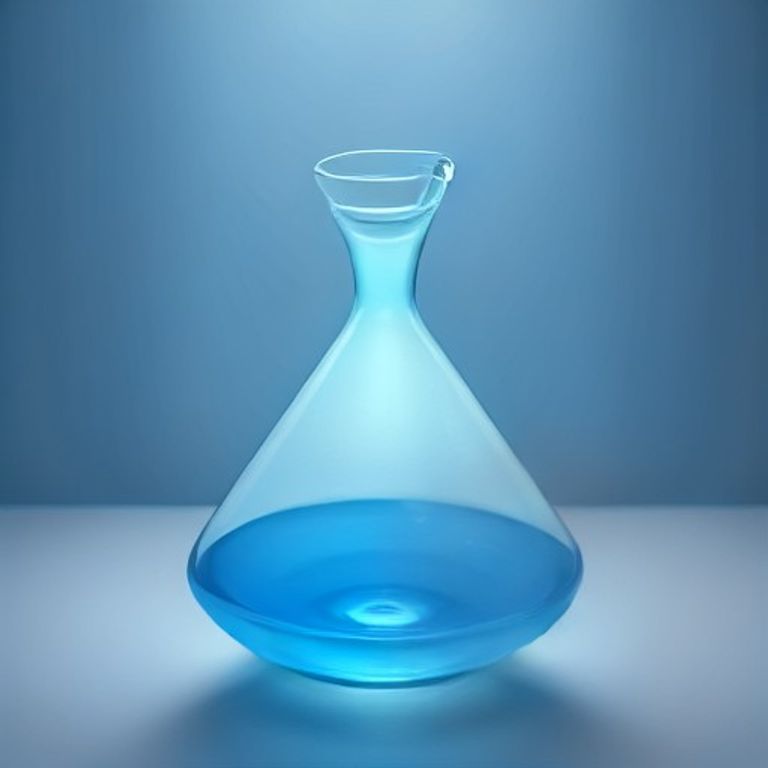
R: La principale différence est leur forme. Un bécher a un corps cylindrique avec un fond plat et un bec versant. Une fiole Erlenmeyer (fiole conique) a un fond plat, un corps conique et un cou cylindrique. Les flacons Erlenmeyer sont souvent préférés pour les liquides tourbillonnants sans déversement, ou pour les applications de chauffage où une bouche plus étroite réduit l'évaporation, tandis que les béchers sont mieux pour le mélange général et le verser.
Q4: De quoi sont généralement faits les béchers?
R: La plupart des béchers de laboratoire sont faits de verre borosilicaté, qui est connu pour son excellente résistance aux chocs thermiques et son inerte chimique. Certains béchers en plastique, généralement en polypropylène, sont également disponibles pour des applications où le verre peut être trop fragile ou où l'inerte chimique à certaines substances est nécessaire (par exemple, l'acide fluorhydrique).