Les fonctions essentielles des béchers en laboratoire : du mélange à la mesure

Présentation
When I first stepped into a chemistry lab, the beaker was the first piece of glassware that caught my eye. Its simple, cylindrical shape makes it look almost ordinary, but its role in scientific work is anything but basic. In this article, we’ll explore the function of beakers and why they are indispensable in everyday laboratory procedures. Whether you’re a student, a hobbyist, or a seasoned researcher, understanding how to use a beaker effectively can save time, improve accuracy, and keep your experiments safe.
Primary Use of a Beaker: Measuring and Holding Liquids
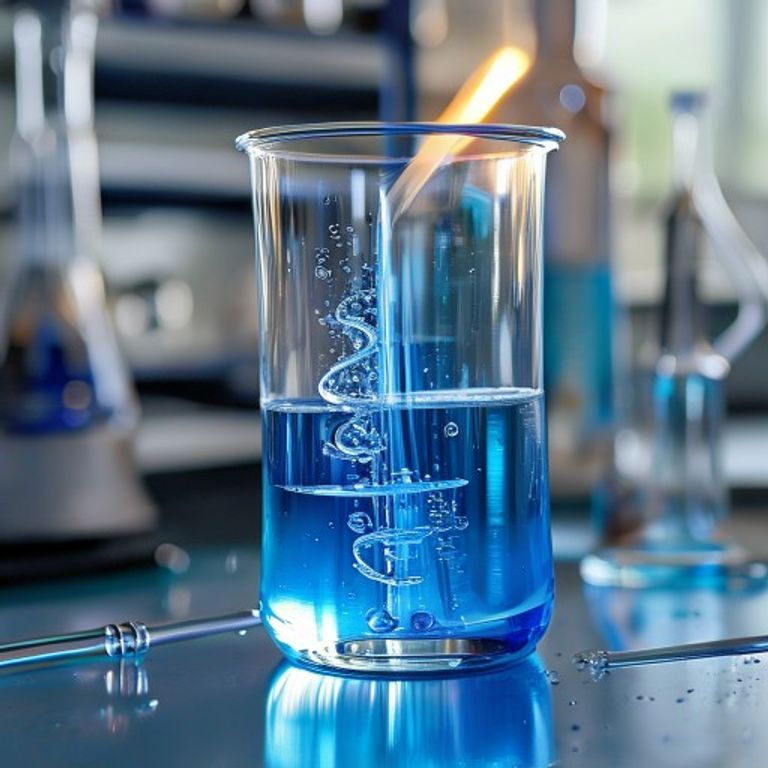
The most common question is, “what is the primary use of a beaker?” The answer is straightforward: beakers are designed to hold and measure liquids. Unlike graduated cylinders, beakers provide a rough volume estimate (usually marked on the side) while offering a wide opening for easy pouring and adding reagents.
- Rough volume measurement: Ideal for procedures where exact precision isn’t critical.
- Easy transfer: The spout and wide mouth allow quick pouring without splashing.
- Temperature tolerance: Most beakers can withstand heating on a Bunsen burner or hot plate.
Beaker Function in Chemistry Experiments
Beyond simple measuring, beakers serve several other functions in chemistry experiments. Here are the most frequent uses:
1. Solutions de mélange
Because of their broad base, beakers are perfect for stirring solutions with a magnetic stir bar or a glass rod. The shape encourages uniform mixing, which is essential when you need a homogeneous reaction mixture.
2. Heating and Boiling
When you place a beaker on a heating mantle or over a flame, the glass distributes heat evenly, reducing hot spots that could cause localized boiling or decomposition. Always use a heat‑resistant beaker (usually made of borosilicate glass) for high‑temperature work.
3. Temporary Storage
During multi‑step syntheses, you often need a temporary container for intermediates. A beaker’s large opening makes it easy to add or remove solids, and its sturdy walls protect the contents from accidental spills.
4. Observing Reactions
The clear walls let you watch color changes, precipitate formation, or gas evolution in real time. This visual feedback is crucial for troubleshooting and documenting experimental outcomes.
Purpose of Laboratory Beakers in Scientific Work
In the broader context of verrerie de laboratoire, the beaker’s purpose is to provide a versatile, durable, and low‑cost solution for everyday tasks. While specialized equipment like pipettes, funnels, and test tube racks have their own niches, the beaker remains the workhorse for:
- Preparing stock solutions.
- Conducting titrations (as a receiving vessel).
- Performing qualitative analysis where exact volumes aren’t required.
- Cleaning and rinsing other glassware.
Different Functions of Beakers: Practical Tips
To get the most out of your beakers, keep these practical tips in mind:
- Choisissez la bonne taille: Use a beaker that holds 2–3 times the volume of your final solution to prevent overflow.
- Vérifier les fissures: Even tiny hairline cracks can cause breakage under heat.
- Étiquette clairement: Write the contents and concentration on the side with a waterproof marker.
- Use a beaker with a spout: It makes pouring smoother and reduces waste.
Integrating Beakers with Other Lab Tools
While beakers are versatile, they work best when combined with other scientific apparatus. For instance, when you need precise liquid handling, pair a beaker with a understanding pipette function to transfer exact volumes. If you need to filter a solution, you can pour it from the beaker through a funnel—see the maîtrise des utilisations des entonnoirs de laboratoire guide for tips on smooth filtration. And when you have multiple beakers on a bench, a sturdy test‑tube rack (or similar holder) keeps them organized, as explained in the beyond the basic stand article.
Conclusion
Even though a beaker might look like a simple piece of glass, its function of beaker extends far beyond just holding liquids. From mixing and heating to temporary storage and observation, beakers are the Swiss army knife of the lab. By selecting the right size, maintaining the glassware, and pairing it with complementary tools like pipettes and funnels, you can streamline your experimental workflow and focus on the science rather than the equipment.
FAQ
Q: Can I use a beaker for precise volume measurements?
A: Beakers provide only approximate volumes. For high precision, use a graduated cylinder or volumetric flask.
Q: What type of glass is best for heating?
A: Borosilicate glass (e.g., Pyrex) is heat‑resistant and ideal for heating beakers.
Q: Comment nettoyer un bécher après une réaction?
A: Rinse with distilled water, then use a brush and mild detergent. For stubborn residues, soak in a diluted acid or base, depending on the chemical.
Q: Is it safe to use a beaker with a magnetic stir bar on a hot plate?
A: Yes, as long as the beaker is made of heat‑resistant glass and the stir bar is appropriate for the temperature range.
Q: When should I choose a flask over a beaker?
A: Choose a flask when you need a narrow neck to minimize evaporation or when you need a sealed environment for reflux.