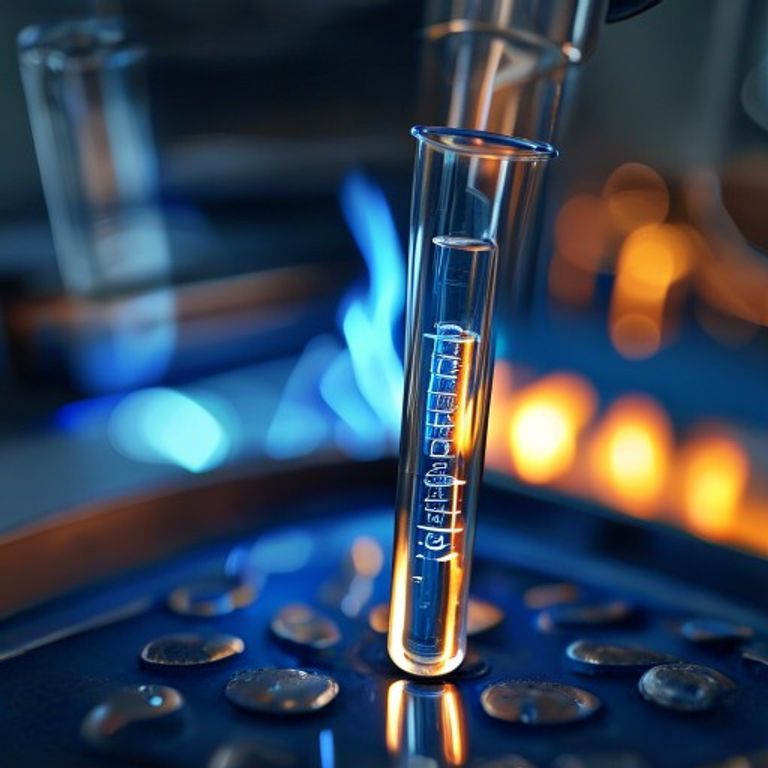
Le support de tube d'essai essentiel : pourquoi il importe, comment l'utiliser, et des conseils de sécurité pour chaque laboratoire

Présentation
Quand je suis entré dans un laboratoire de chimie, la première chose qui m'a attiré l'attention était une simple pince en métal qui tendait un tube de verre sur un brûleur Bunsen. Ce petit outil est le porte-tube d'essai, et il est plus qu'un simple morceau de métal—il s'agit d'un champion de sécurité, d'une aide de précision et d'un sauveteur de temps roulé en un. Dans cet article je vais vous guider dans son but, la bonne manipulation, et pourquoi vous ne devriez jamais travailler sans un.
Quel est le but d'un porte-tube d'essai?
La tâche principale d'un porte-tube test est de vous donner une adhérence sûre sur un tube test pendant que vous êtes chauffage, mélange, ou transfert de liquides. Pensez-y comme une paire de pinces pour la verrerie délicate. En gardant vos mains loin du verre chaud, le support réduit le risque de brûlures et de bris, ce qui vous protège à votre tour ainsi que votre expérience.
Pourquoi utiliser un porte-tube dans un laboratoire ?
- Protection contre la chaleur: Il vous permet de manipuler des tubes chauffés à 100 °C ou plus sans sentir la chaleur.
- Stabilité: Vous pouvez basculer ou balancer le tube pour verser les liquides avec précision, ce qui est crucial pour les titrations ou l'ajout de réactifs.
- Conformité à la sécurité: La plupart des protocoles de sécurité de laboratoire indiquent que le titulaire est un équipement de protection individuelle obligatoire (EPI) lorsqu'il travaille avec des substances chaudes ou réactives.
- Pratique sans mains: Pendant que le support serre le tube, votre autre main est libre d'utiliser une pipette, une tige à remuer ou un thermomètre.
Fonction d'un support de tube d'essai en chimie
En chimie, on chauffe souvent de petits volumes, on effectue des réactions qui génèrent des gaz ou on a besoin de passer rapidement entre des réactifs. Les mâchoires métalliques du support fournissent une prise ferme sur le cou du tube, vous permettant de:
- Placez le tube directement sur une flamme pour des solutions de chauffage.
- Rotation du tube pour mélanger le contenu sans secouer la grille entière.
- Insérez un thermomètre ou une barre d'agitation magnétique en toute sécurité.
Comment utiliser correctement un support de tube d'essai
Guide étape par étape
- Ouvrez les mâchoires : Pressez la poignée jusqu'à ce que les mâchoires soient assez larges pour s'adapter au cou du tube.
- Positionner le tube: Faites glisser le tube dans les mâchoires, en veillant à ce que le verre soit centré.
- Fermez les mâchoires : Relâchez doucement la poignée; le métal doit serrer correctement sans écraser le verre.
- Chaleur en toute sécurité: Tenez le support au-dessus de la flamme à un angle de 45 degrés pour garder la chaleur concentrée sur le fond du tube.
- Transférer les liquides: Incliner le support lentement pour verser, en utilisant une main stable pour éviter les éclaboussures.
- Sortie : Une fois terminé, ouvrez les mâchoires avant de poser le tube sur un rack.
Conseils pour une meilleure poignée
- Choisissez un support à mâchoires en caoutchouc pour tubes fragiles ou à parois minces.
- Ne jamais utiliser un support qui montre des signes de rouille ou de métal courbé; une pince compromise peut glisser.
- Si vous devez manipuler plusieurs tubes à la fois, envisagez un support double bras conçu pour le chauffage parallèle.
Importance d'un support de tube d'essai dans les expériences
Imaginez essayer de chauffer une solution tout en tenant le tube avec vos mains nues. Non seulement vous risqueriez une grave brûlure, mais le moindre tremblement pourrait faire craquer le tube, déverser des produits chimiques chauds et ruiner l'expérience. Un porte-tube de test élimine ce risque, vous permettant de vous concentrer sur la chimie plutôt que sur la sécurité personnelle.
Lorsque vous créez une série de réactions, un espace de travail bien organisé fait une énorme différence. Jumelage d'un support avec un solide rack de tube d'essai parfait s'assure que chaque tube a un endroit dédié, réduisant l'encombrement et les risques de coups accidentels.
Foire aux questions (FAQ)
Puis-je utiliser un porte-tube pour la verrerie autre que les tubes d'essai?
Yes, many holders can grip small beakers or vials, but always check the jaw size. Using it on oversized glass may damage the holder.
Un porte-tube en plastique est-il plus sûr qu'un porte-tube en métal?
Plastic holders are lighter and won’t conduct heat, which is great for very hot applications. However, they can melt if exposed to direct flame, so metal holders are still preferred for most heating tasks.
À quelle fréquence dois-je remplacer mon porte-tube?
Inspect it before each use. Replace it if you notice rust, bent jaws, or loss of grip. A good rule of thumb is to change it every 1–2 years in a high‑traffic lab.
Dois-je avoir besoin de gants si je utilise un support de tube d'essai?
Gloves are still recommended, especially when handling corrosive or toxic chemicals. The holder protects against heat, but not against chemical splashes.
Puis-je stériliser un porte-tube métallique?
Yes, most metal holders can be autoclaved or soaked in a disinfectant solution. Just dry them thoroughly to prevent rust.
Conclusion
In short, the test tube holder is a small but mighty tool that safeguards you, preserves your glassware, and improves experimental accuracy. By mastering its proper use and keeping it in good condition, you’ll spend less time worrying about accidents and more time discovering new chemistry. So the next time you reach for that Bunsen burner, remember to grab the holder first—your hands (and your results) will thank you.