Guide complet des plaques de laboratoire : types, utilisations, conseils d'achat et entretien

Présentation
Quand j'ai commencé mon premier laboratoire de chimie, les minuscules carrés en céramique sur mon banc ressemblaient à une carte miniature de la ville. Ce sont des plaques ponctuelles – des vaisseaux de réaction compacts et polyvalents qui vous permettent d'exécuter plusieurs expériences à microéchelle côte à côte. Dans cet article, je vais vous guider dans tout ce que vous devez savoir sur les plaques de laboratoire : les différents matériaux, les applications pratiques, où les acheter, et comment les garder en forme supérieure.
Qu'est-ce qu'une plaque de laboratoire?
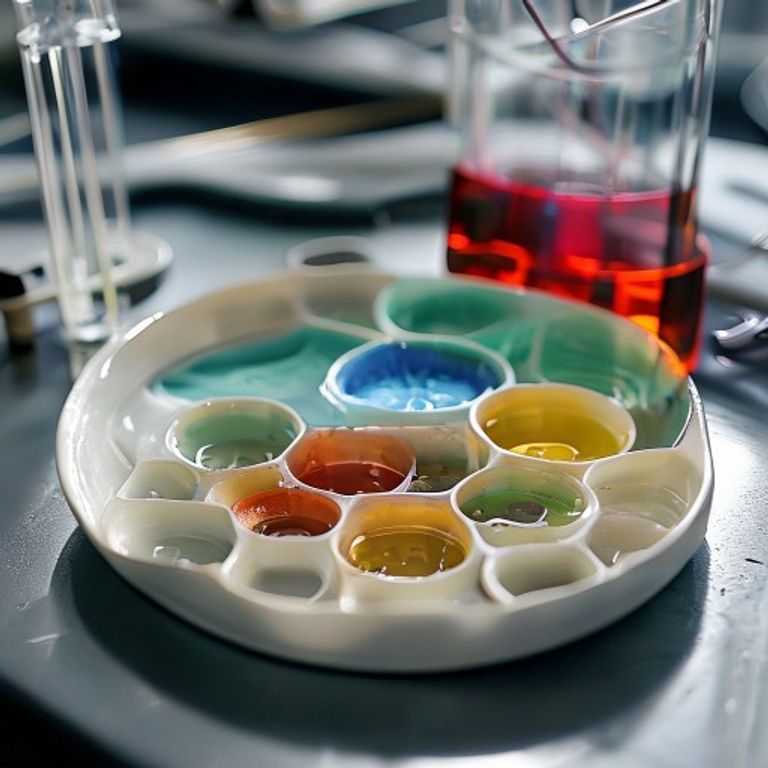
Une plaque spot (parfois appelée « plaque de puits » ou « plaque de microtitration ») est un plateau peu profond avec une série de petites dépressions, habituellement allant de 6 à 24 puits. Chaque puits contient quelques gouttes de liquide, ce qui le rend parfait pour l'analyse qualitative, les synthèses à petite échelle ou les démonstrations d'enseignement.
Matériaux: céramique vs verre vs plastique
- Plaques en céramique – résistant à la chaleur, idéal pour les réactions nécessitant un doux réchauffement. Ils sont également chimiquement inertes, de sorte que vous n'obtenez pas de réactions secondaires indésirables.
- Plaques en verre – transparent, vous permettant de voir clairement les changements de couleur. Idéal pour visualiser les réactions et pour des expériences où vous devez surveiller la formation d'un précipité.
- Plaques en plastique (polypropylène) – jetable, léger et résistant à la plupart des acides et des bases. Parfait pour les tests qualitatifs de routine où le nettoyage n'est pas une priorité.
Principales différences par rapport aux autres navires
Contrairement à tubes à essai, des assiettes spot s'assoient à plat sur le banc, économisant de l'espace et vous permettant de comparer plusieurs réactions à la fois. Par rapport à un bécher, le volume est minuscule – pensez à un cousin de béchers qui ne détient que quelques millilitres par puits.
Utilisations courantes des plaques à taches
1. Analyse qualitative
Les plaques d'observation sont l'outil de détection des ions, des tests de pH ou des tests de flamme. Vous pouvez ajouter quelques gouttes de réactifs à chaque puits et regarder les changements de couleur instantanément.
2. Synthèse à microéchelle
Lorsque vous devez tester une réaction avant de l'augmenter, une plaque spot vous permet d'exécuter 6-12 mini-réactions avec seulement quelques microlitres de chaque réactif. C'est comme une "cuisine d'essai" pour chimistes.
3. Manifestations éducatives
Les enseignants adorent les plaques à taches parce que les élèves peuvent voir plusieurs réactions se produire côte à côte. Il transforme les concepts abstraits en une histoire visuelle.
Où acheter des plaques de laboratoire
Trouver un fournisseur fiable est plus facile que vous le pensez. Cherchez des fournisseurs qui offrent:
- Spécifications claires du produit (taille du puits, matériau, tolérance à la chaleur)
- Prix en vrac pour les salles de classe ou les laboratoires de recherche
- Certificats d'analyse de pureté (surtout pour les plaques céramiques)
Les grandes compagnies d'approvisionnement scientifique expédient dans le monde entier, et beaucoup fournissent également des paquets d'échantillons afin que vous puissiez tester la sensation et la durabilité avant de vous engager à une plus grande commande.
Conseils de nettoyage et d'entretien
Un soin approprié prolonge la durée de vie de vos plaques d'observation et prévient la contamination croisée.
- Rincer immédiatement après utilisation avec de l'eau distillée pour éliminer les réactifs résiduels.
- Pour les plaques de céramique, utilisez une brosse douce et un détergent doux. Évitez les tampons abrasifs qui peuvent gratter la surface.
- Les plaques de verre peuvent être trempées dans un acide dilué (par exemple, 5 % d'acide nitrique) pour des résidus tenaces, puis rincées soigneusement.
- Les plaques en plastique sont généralement jetables, mais si vous les réutilisez, un trempage rapide dans un lave-vaisselle de laboratoire fonctionne bien.
- Entreposer les plaques horizontalement dans une armoire sans poussière pour éviter les copeaux.
Choisir la bonne plaque pour vos besoins
Considérez les facteurs suivants avant d'acheter:
- Température de réaction – Céramique pour le chauffage, verre pour la surveillance visuelle.
- Compatibilité chimique – S'assurer que le matériau ne réagit pas avec des acides forts, des bases ou des solvants organiques.
- Nombre de puits et taille – Plus de puits signifie plus d'expériences parallèles, mais plus petits puits limitent le volume que vous pouvez ajouter.
- Budget – Les plaques en plastique sont bon marché et jetables; la céramique et le verre sont plus pratiques mais réutilisables.
FAQ
Puis-je utiliser une plaque pour le titrage ?
Oui, les plaques spot sont idéales pour les titrations micrométriques. Il suffit d'ajouter le titrage et de regarder la couleur changer dans chaque puits.
Les plaques sont-elles sûres pour les réactions à haute température?
Les plaques en céramique peuvent généralement résister à des températures allant jusqu'à 300 °C, ce qui les rend aptes au chauffage doux. Les plaques en verre peuvent supporter des températures plus basses et les plaques en plastique ne doivent jamais être chauffées.
Combien de gouttes chacune peut-elle tenir?
La plupart des puits accueillent 0,5 mL à 2 mL, selon la conception de la plaque. Vérifiez les spécifications du fabricant pour connaître la capacité exacte.
Ai-je besoin d'équipement spécial pour nettoyer les plaques de céramique?
Aucun équipement spécial n'est nécessaire. Un pinceau doux, un détergent doux et un rinçage complet suffisent. Pour les taches tenaces, une brève trempe dans l'acide dilué fonctionne bien.
Puis-je réutiliser des plaques en plastique ?
Bien qu'ils soient conçus pour un usage unique, vous pouvez les réutiliser si vous les nettoyez correctement et n'assurez aucune contamination croisée. Cependant, pour les travaux d'analyse critiques, il est plus sûr d'utiliser une assiette fraîche.
Conclusion
Les plaques de laboratoire peuvent sembler simples, mais elles sont une centrale pour la chimie à microéchelle. Que vous soyez en train de faire des tests qualitatifs, d'enseigner des étudiants ou de perfectionner une synthèse, la bonne plaque—céramique, verre ou plastique—peut rendre votre travail plus rapide, plus sûr et plus efficace. N'oubliez pas de choisir le matériau qui correspond à vos conditions de réaction, d'acheter auprès de fournisseurs réputés et de garder vos assiettes propres. Avec ces conseils, vous obtiendrez le meilleur de chaque puits minuscule sur votre banc.