

Beyond the Drop: Uncovering the Essential Pipette Uses in Every Modern Lab

Have you ever wondered about the tiny, yet mighty, tools that make scientific breakthroughs possible in laboratories around the world? Often overlooked, but truly indispensable, is the pipette. If you’ve spent any time in a lab, you know that precise liquid handling is paramount. It’s not just about moving liquids; it’s about moving *exact* amounts of liquids, and that’s precisely where the magic of pipettes comes in.
Today, we’re going to take a deep dive into the fascinating world of pipette uses. We’ll explore not just what they are, but their critical role across various scientific disciplines, from simple experiments to complex diagnostic procedures. Think of them as the unsung heroes ensuring volumetric accuracy in every scientific endeavor. So, let’s unlock the versatility of these essential laboratory instruments together!
The Core Purpose: Why We Use Pipettes
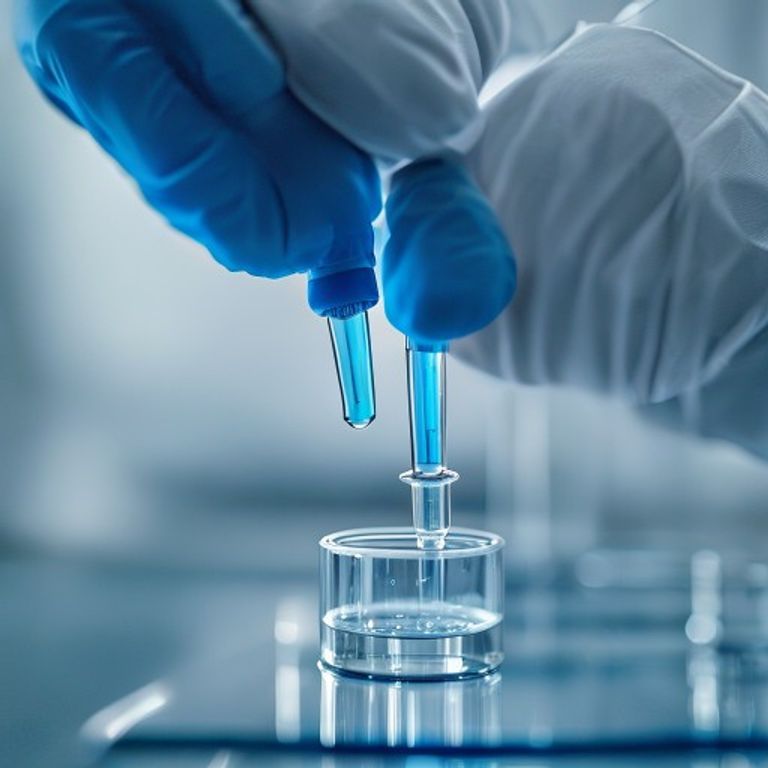
At its heart, the primary purpose of pipettes is simple: to transfer precise, measured volumes of liquid from one container to another. But don’t let that simplicity fool you. This seemingly straightforward task is foundational to nearly all scientific research and analysis. Without the ability to accurately measure and transfer small, often minuscule, amounts of fluid, many experiments would be impossible or yield unreliable results.
Imagine trying to measure 0.5 microliters of a crucial enzyme with a regular dropper – it’s like trying to measure a single grain of sand with a shovel! Pipettes provide the control and accuracy we need for such delicate tasks, making them vital tools for accurate fluid transfer and sample preparation. They ensure that every experiment starts with the right ingredients in the right proportions, laying the groundwork for dependable scientific outcomes.
Common Applications of Pipettes in the Laboratory
So, exactly how are pipettes used in a laboratory? Their applications are incredibly broad, touching almost every corner of scientific exploration. Let’s look at some common applications of pipettes in science:
In Biology and Microbiology: What Are Pipettes Used for in Microbiology?
In biology and microbiology labs, pipettes are absolutely essential. We use them for:
- Cell Culture: Accurately dispensing cell media, adding supplements, and transferring cell suspensions without contamination.
- Molecular Biology: Handling DNA, RNA, and protein solutions for experiments like PCR (Polymerase Chain Reaction), gel electrophoresis, and sequencing. Every microliter counts here!
- Bacterial Plating: Transferring bacterial samples to agar plates for culturing and colony counting.
- Enzyme Assays: Adding precise amounts of enzymes and substrates to initiate reactions and measure their kinetics.
In Chemistry: Purpose of Pipettes in Chemical Analysis
Chemistry labs rely heavily on pipettes for precision in their reactions and analyses. The purpose of pipettes in chemical analysis includes:
- Titration: Accurately adding a known concentration of one solution to react with an unknown concentration of another. This is a classic example where volumetric accuracy is critical.
- Solution Preparation: Creating standard solutions or diluting samples to exact concentrations. This forms the basis for many analytical techniques.
- Reagent Dispensing: Adding specific volumes of reagents to reactions, ensuring the stoichiometry of the reaction is maintained.
- Spectrophotometry: Preparing samples for analysis in instruments that measure light absorption, where consistent sample volumes are key.
In Medical and Diagnostic Labs
From blood tests to disease diagnostics, pipettes play a crucial role in clinical laboratories. We use them for:
- Blood Sample Processing: Preparing blood plasma or serum for various tests.
- Immunoassays: Dispensing antibodies and antigens in tests like ELISA to detect diseases or measure biomarkers.
- Diagnostic Kit Preparation: Reconstituting reagents and preparing patient samples for rapid diagnostic tests.
Diverse Liquids, Diverse Pipettes
It’s important to remember that not all liquids are created equal, and neither are all pipettes. The types of liquids pipettes transfer can vary greatly in viscosity, volatility, and surface tension. This is why there are different types of pipettes, each designed for specific liquid handling challenges:
- Micropipettes: These are probably what most people picture. They handle extremely small volumes (microliters) and are adjustable, making them incredibly versatile for molecular biology and analytical chemistry.
- Volumetric (Bulb) Pipettes: Designed to deliver a single, fixed, extremely accurate volume. Perfect for preparing standard solutions where the highest precision is needed.
- Serological Pipettes: These are graduated, allowing for the transfer of various volumes, typically from 1 mL up to 50 mL. They are common in cell culture and media preparation.
Choosing the right pipette for the right liquid and application is a skill in itself, ensuring that every fluid transfer is as accurate as possible.
The Importance of Volumetric Accuracy and Precision
We’ve mentioned it several times, but the importance of volumetric accuracy and precision cannot be overstated when it comes to pipette uses. In scientific research, even tiny errors in measurement can lead to significant discrepancies in results, wasting precious time, resources, and potentially leading to incorrect conclusions. That’s why scientists meticulously calibrate their pipettes and follow strict protocols for their use. Just as we emphasize a deep dive into volumetric glassware applications, understanding the nuances of pipettes ensures reliable and reproducible experimental data, which is the cornerstone of good science.
Conclusion
From the subtle movements of DNA in a molecular biology lab to the precise measurements for a chemical titration, pipettes are truly indispensable laboratory instruments. They are far more than just tools for moving liquids; they are instruments of precision, critical for accurate sample preparation, fluid transfer, and ultimately, for advancing our understanding of the world around us. So, the next time you see a pipette, remember the crucial role it plays in countless scientific discoveries, ensuring that every drop counts.
FAQ
Q1: What’s the main difference between accuracy and precision when using a pipette?
A1: Accuracy refers to how close a measured value is to the true value. Precision refers to how close multiple measurements are to each other, regardless of whether they are close to the true value. A good pipette technique aims for both: measurements that are consistently close to each other and also close to the target volume.
Q2: Can pipettes transfer any type of liquid?
A2: While pipettes can transfer a wide range of liquids, their effectiveness can vary. Highly viscous liquids (like oils or glycerol), volatile liquids (like ethanol), or liquids with very low surface tension might require specialized pipettes or specific techniques to ensure accurate dispensing. Generally, water-based solutions are the easiest to pipette accurately.
Q3: How often should pipettes be calibrated?
A3: The frequency of pipette calibration depends on several factors, including how often they are used, the types of liquids transferred, and the required level of accuracy. As a general rule, many labs calibrate their pipettes every 3 to 6 months. However, if a pipette is dropped, is suspected of inaccuracy, or is used for highly critical applications, it should be checked sooner.