The Ultimate Guide to Choosing and Using a Lab Tripod for Chemistry Experiments

Introduction
When I first set up a chemistry bench, the lab tripod was the unsung hero that kept my burners, beakers, and wire gauze stable. Whether you’re a student, hobbyist, or professional researcher, understanding how to pick the right tripod and use it safely can save time, reduce accidents, and improve the quality of your results. In this guide I’ll walk you through the most common uses, key features to look for, step‑by‑step setup, and a few practical tips that I’ve learned from countless lab sessions.
What Is a Laboratory Tripod Used For?
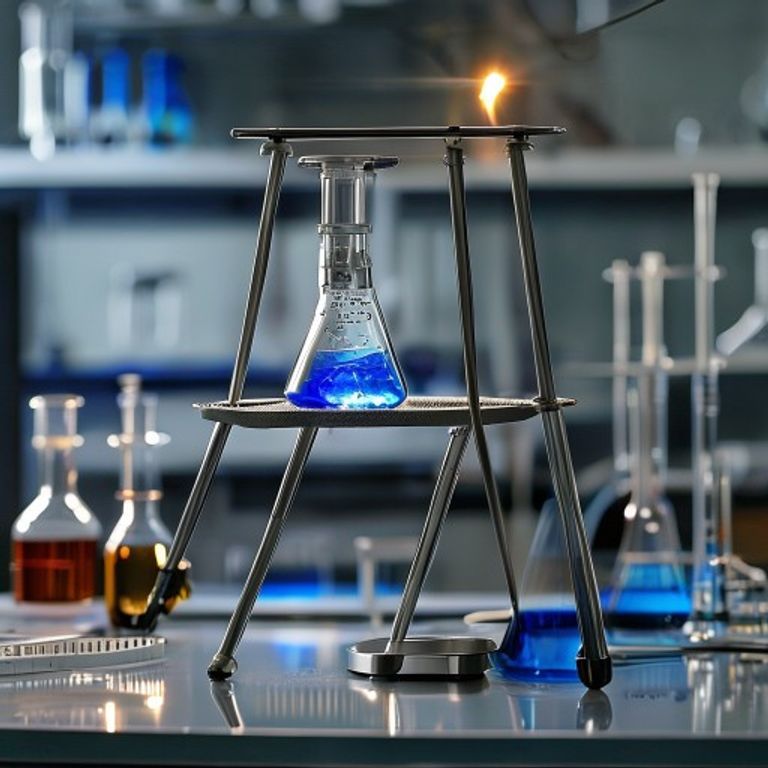
A lab tripod is a three‑leg stand designed to support heat sources and containers. Here are the main applications:
- Heating beakers and flasks over a Bunsen burner while keeping the flame centered.
- Holding a wire gauze to distribute heat evenly and protect glassware.
- Supporting small retort stands or test tube holders when a full retort stand isn’t available.
- Providing a stable platform for microscale experiments, such as those using a spot plate.
Key Features to Look for in the Best Lab Tripod for Chemistry Experiments
Not all tripods are created equal. Below are the criteria I use when evaluating a new stand:
- Material: Stainless steel or nickel‑plated steel offers corrosion resistance and high heat tolerance.
- Leg Adjustability: Telescopic legs let you set the height from 12 cm up to 30 cm, which is essential for different burner sizes.
- Base Stability: Wide, rubber‑coated feet prevent slipping on smooth benchtops.
- Weight Capacity: Make sure it can hold at least 2 kg to accommodate larger beakers or a small retort stand.
- Ease of Assembly: Quick‑release clamps save you minutes when you need to reconfigure the bench.
How to Set Up a Laboratory Tripod Correctly
Setting up the tripod might seem straightforward, but a few small steps make a big difference in safety and efficiency:
1. Position the Tripod
Place the tripod on a flat, heat‑resistant surface. Keep it at least 30 cm away from the edge of the bench to avoid accidental knocks.
2. Adjust the Height
Loosen the leg locks and raise or lower each leg until the top platform is level with the flame of your Bunsen burner. A level platform ensures even heating.
3. Add Wire Gauze
Lay a piece of wire gauze on the tripod’s top ring. The mesh spreads the heat, reducing hot spots that could crack glassware.
4. Place Your Glassware
Set the beaker, flask, or test tube holder on the gauze. If you’re working with a practical guide for test tubes, make sure the holder is centered to avoid tipping.
5. Light the Bunsen Burner
Turn on the gas, ignite the flame, and adjust the air‑vent to get a steady blue cone. Check that the flame sits directly under the center of the gauze.
6. Verify Stability
Give the setup a gentle shake. If anything wobbles, readjust the legs or tighten the clamps. A stable tripod prevents spills and glass breakage.
Choosing the Right Tripod for Specific Applications
Different experiments demand different setups. Here’s how I match the tripod to the task:
- Microscale reactions – Use a low‑height tripod with a small wire gauze to keep the flame close to the spot plate. For more details on microscale work, check out the guide to spot plate usage.
- Large volume heating – Opt for a heavy‑duty tripod with a higher load capacity and a larger gauze to support big beakers.
- Temperature‑sensitive syntheses – Choose a tripod with a detachable platform so you can insert a temperature probe without disturbing the flame.
Maintenance and Safety Tips
Even the best tripod will degrade over time if you neglect it. Follow these simple practices:
- Wipe down the legs after each use to remove chemical residues.
- Inspect the wire gauze for rust or holes; replace it annually.
- Store the tripod in a dry cabinet to avoid moisture‑induced corrosion.
- Never overload the platform – exceeding the weight limit can cause the legs to buckle.
Conclusion
Choosing the right lab tripod and setting it up correctly is a small step that makes a huge impact on your experimental workflow. By focusing on material quality, adjustability, and stability, you’ll enjoy safer heating, better temperature control, and fewer broken glassware incidents. Keep the maintenance tips in mind, and you’ll have a reliable stand for years of chemistry adventures.
FAQ
Q: Can I use a lab tripod with an electric hot plate?
A: Yes, but make sure the hot plate’s base fits securely on the tripod’s platform and that the legs can support the extra weight.
Q: How often should I replace the wire gauze?
A: Inspect it weekly; replace it at least once a year or sooner if you notice rust or tears.
Q: Is a retort stand better than a tripod for heating?
A: A retort stand offers more versatility for clamps and accessories, but a tripod is quicker to set up for simple heating tasks.
Q: What height should the tripod be for a standard Bunsen burner?
A: Aim for the top platform to be about 5 cm above the burner flame when the burner is on low to medium.
Q: Can I use the tripod for non‑heating tasks?
A: Absolutely – it can hold a funnel, a small condenser, or even a beaker of cold liquid for cooling experiments.