Unlocking Lab Efficiency: Essential Stirring Rod Uses for Every Experiment

Halo, Sobat Peneliti! Pernahkah kita melihat sebatang kaca panjang dan tipis di laboratorium dan bertanya-tanya, “Untuk apa sih ini?” Nah, alat sederhana yang sering kita abaikan ini adalah stirring rod, atau batang pengaduk. Meskipun kelihatannya biasa saja, kegunaannya sangat vital dalam berbagai eksperimen kimia dan biologi. Ibarat sendok di dapur, tanpa batang pengaduk, banyak proses di lab akan jadi lebih sulit, bahkan tidak mungkin dilakukan dengan aman dan efektif. Mari kita selami lebih dalam semua kegunaan batang pengaduk ini, mulai dari fungsi dasarnya hingga tips penggunaan yang aman dan benar!
What Exactly is a Stirring Rod?
Sebelum kita membahas lebih jauh tentang stirring rod uses, ada baiknya kita kenalan dulu. Stirring rods are typically made of solid glass, though you might also encounter plastic versions for less demanding applications. They are designed to be inert, meaning they won’t react with most chemicals you’re working with, which is super important for maintaining the integrity of your solutions. Think of them as the silent workhorses of the lab, always ready to help us achieve perfect mixing without contamination.
The Core Uses: Why We Need Them
The purpose of a stirring rod in chemistry goes far beyond just “stirring.” Here are some of its primary applications:
- Mixing Chemicals and Solutions: This is, of course, the most obvious use! Whether you’re dissolving a solid in a liquid to create a solution or simply blending two liquids, a stirring rod ensures uniform distribution. We use it to gently agitate the contents of a beaker or flask, making sure everything is thoroughly combined. This is crucial for accurate solution preparation, especially when dealing with precise concentrations.
- Dissolving Solids: Sometimes, solids can be stubborn to dissolve. A stirring rod helps break up solid particles and speeds up the dissolution process by constantly bringing fresh solvent into contact with the solid. Imagine trying to dissolve sugar in tea without stirring – it would take ages!
- Breaking Up Clumps: In certain suspensions or precipitates, solid particles might clump together. A stirring rod can be used to gently break these agglomerations, ensuring a more homogeneous mixture or separation.
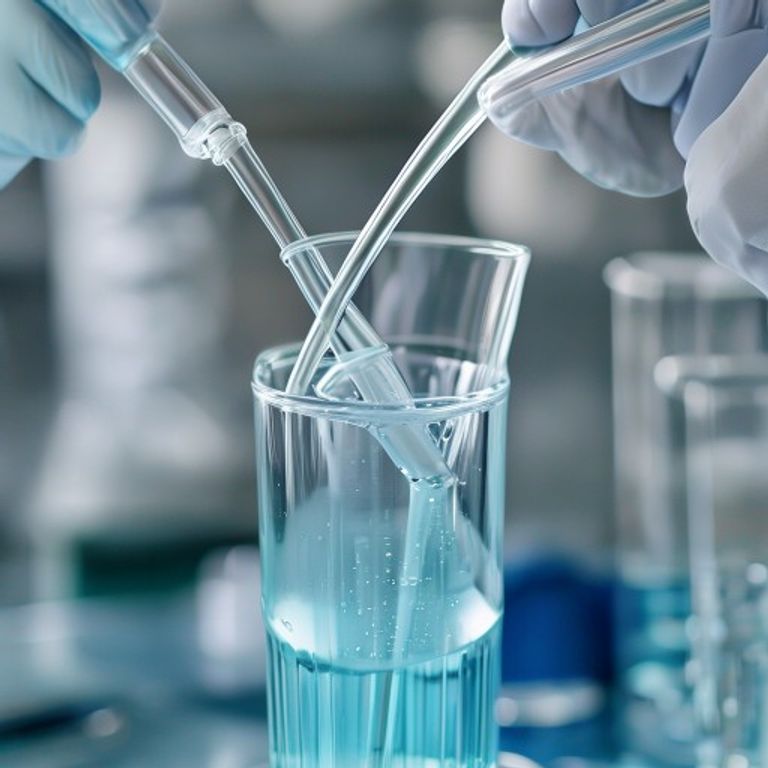
- Decantation (Transferring Liquids): This is a less obvious but very clever use. When we need to carefully pour a liquid off a solid (decantation) without disturbing the solid, we can place a stirring rod against the lip of the beaker. The liquid will flow down the rod, guiding it smoothly into the receiving container, preventing splashing and ensuring the solid stays put. It’s like a mini waterslide for your liquids!
- Spreading Liquids: For thin-layer chromatography (TLC) or other surface applications, a stirring rod can be used to evenly spread a small amount of liquid across a surface.
- Initiating Crystallization: Sometimes, scratching the inner surface of a flask with a stirring rod can provide nucleation sites, encouraging crystals to form from a supersaturated solution. It’s like giving the crystals a tiny starting point to grow from.
How to Properly Use a Stirring Rod: Techniques for Beginners
Even though it seems straightforward, there are right and wrong ways to use a stirring rod. Mastering these stirring rod techniques for beginners will make your lab work much smoother:
- Gentle Mixing: Always stir gently to avoid splashing chemicals, especially if they are corrosive or volatile. A slow, circular motion is usually sufficient. We don’t want to create a chemistry “Jacuzzi”!
- Holding It Right: Hold the stirring rod by the upper end, allowing the lower end to reach near the bottom of your beaker contents or flask without touching the very bottom too forcefully.
- Avoid Direct Contact with Thermometers: If you’re stirring a solution with a thermometer in it, be very careful not to hit the thermometer with the stirring rod. Thermometers, especially glass ones, can break easily, leading to mercury spills (if it’s an old-school one) or glass shards in your solution.
- Scraping the Sides: When dissolving solids, gently scrape the bottom and sides of the container to dislodge any undissolved particles and encourage them to enter the solution.
Safety First! Safe Use of Glass Stirring Rods
Safety is paramount in any lab. When using glass stirring rods, keep these points in mind:
- Check for Damage: Before each use, quickly inspect the stirring rod for cracks, chips, or sharp edges. A damaged rod can break unexpectedly, causing cuts or contaminating your sample with glass shards. If it’s damaged, dispose of it properly in a broken glass waste container.
- Handle with Care: Glass is fragile. Don’t drop them, and don’t use them to pry open containers or for any purpose other than stirring or guiding liquids.
- Chemical Compatibility: While glass is inert to most chemicals, always be aware of any specific reactions or etching that might occur with very strong bases or hydrofluoric acid. For these rare cases, specialized stirring rods (e.g., PTFE-coated) might be necessary.
Cleaning and Storing Laboratory Stirring Rods
Proper cleaning and storing laboratory stirring rods ensures they are ready for their next use and prevents cross-contamination:
- Rinse Immediately: After use, rinse your stirring rod thoroughly with distilled water. This prevents chemicals from drying on the glass, which can make cleaning harder later.
- Wash with Detergent: Use a laboratory-grade detergent and a brush if necessary to remove any residues.
- Final Rinse: Finish with several rinses of distilled water to remove all traces of detergent.
- Drying: Air dry them on a drying rack or in an oven designed for glassware.
- Storage: Store stirring rods in a beaker or a dedicated container, standing upright, or lying flat in a drawer where they won’t roll off and break. Keeping them organized prevents breakage and makes them easy to find.
Kesimpulan
From simple mixing to delicate decantation, the humble stirring rod is an indispensable tool in our science experiment tools arsenal. Understanding its various stirring rod uses and practicing safe, effective techniques will undoubtedly enhance our efficiency and safety in the lab. So, next time we pick up one of these glass wonders, we’ll appreciate its quiet but crucial role in unraveling the mysteries of chemistry!
FAQ
Q: What is the main purpose of a stirring rod?
A: The main purpose is to mix or stir liquids and solutions, aid in dissolving solids, and guide the transfer of liquids safely and precisely.
Q: Can I use a metal stirring rod in the lab?
A: Generally, glass stirring rods are preferred because they are inert and won’t react with most chemicals. Metal stirring rods can react with acids or other solutions, introducing impurities or corroding the rod itself. They are rarely used for general chemical mixing.
Q: How do I clean a stirring rod after using it with strong acids?
A: Immediately after use, rinse the stirring rod thoroughly with plenty of water at the sink. Then, wash it with a lab detergent and a brush, followed by multiple rinses with distilled water. Always wear appropriate personal protective equipment (PPE) when handling strong chemicals.
Q: Is there a difference between a stirring rod and a glass rod?
A: Not really in a laboratory context. A “glass rod” is essentially a stirring rod. The terms are often used interchangeably to refer to the solid glass cylinder used for stirring and other manual manipulations in chemistry.
Q: Why is it important to prevent splashing when stirring?
A: Preventing splashing is crucial for safety and accuracy. Splashing can cause corrosive or harmful chemicals to get on skin or eyes, contaminate your workspace, and lead to inaccurate results by losing part of your solution.