

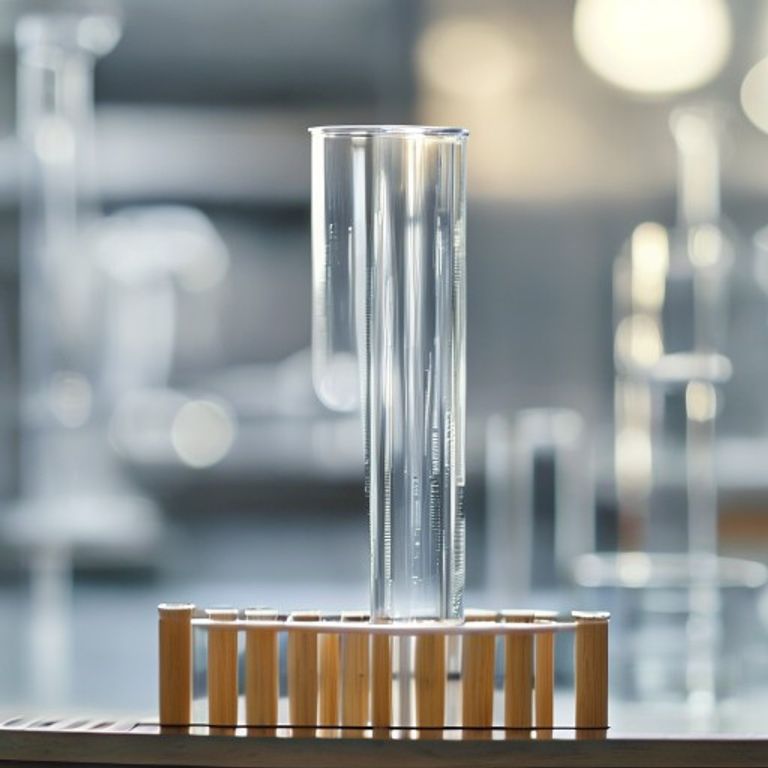
Unlocking Lab Secrets: Everything You Need to Know About the Humble Test Tube

When we think about a laboratory, what’s the first image that pops into our mind? For many of us, it’s often rows of glass tubes, perhaps bubbling with colorful liquids, held in a rack. That iconic piece of laboratory equipment is, of course, the trusty test tube. It might seem simple, just a cylinder of glass, but its role in scientific discovery is absolutely monumental.
From groundbreaking medical research to fun home scientific experiments for kids, the test tube is an indispensable tool. Today, we’re going to dive deep into the world of this essential glassware, exploring its many uses, different types, and even how to keep it squeaky clean. So, grab your imaginary lab coat, and let’s get started!
What is a Test Tube Used For? The Core of Chemical Reactions
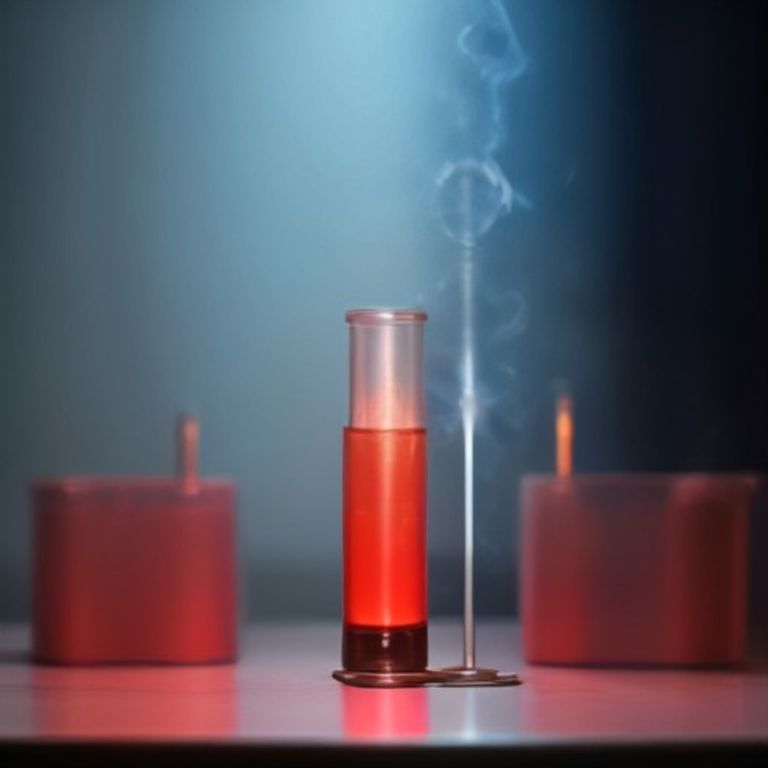
So, what is a test tube used for? Primarily, these small, cylindrical vessels are designed to hold and mix small quantities of liquids or solids for chemical reactions, heating, or testing purposes. Think of them as miniature reaction chambers. Because they are typically made of borosilicate glass, they can withstand high temperatures without cracking, making them perfect for heating chemicals over a Bunsen burner or in a water bath.
For instance, when we want to observe a precipitation reaction, we might mix two clear solutions in a test tube and watch as a solid forms. Or, if we need to heat a small sample to see how it reacts under elevated temperatures, the test tube is our go-to. Their narrow opening helps minimize evaporation and prevent spills, which is crucial when working with precise measurements or volatile substances.
Beyond chemistry, test tubes are vital in biology for culturing microbes, preparing samples for microscopy, or holding small amounts of biological fluids. Medical laboratories rely on them extensively for blood tests, urine analysis, and other diagnostic procedures. The versatile uses of test tubes extend from basic research to life-saving medical diagnostics, proving their indispensable nature.
Types of Test Tubes in the Laboratory: More Than Just Glass Cylinders
You might think a test tube is just a test tube, but there are actually several types of test tubes in laboratory settings, each designed for specific functions:
- Standard Test Tubes: These are your classic, plain glass tubes with a rounded bottom and an open top. They come in various sizes (e.g., 10x75mm, 16x150mm).
- Culture Tubes: Similar to standard test tubes but often with a wider opening and sometimes a screw cap. They are primarily used in microbiology for culturing bacteria or other microorganisms.
- Boiling Tubes: These are larger and thicker-walled than standard test tubes, specifically designed to withstand vigorous boiling without shattering.
- Centrifuge Tubes: Typically conical at the bottom and often made of plastic, these tubes are designed to fit into a centrifuge machine. The conical shape allows solid particles to collect at the bottom when spun at high speeds.
- NMR Tubes: Very thin and precise glass tubes used in Nuclear Magnetic Resonance (NMR) spectroscopy for analyzing chemical compounds.
Each type serves a unique purpose, showcasing the adaptability of this fundamental piece of lab equipment.
A Brief Look at the History of the Test Tube Invention
The history of the test tube invention isn’t attributed to a single inventor with a specific patent date, but rather evolved over time as chemists and scientists sought better ways to conduct experiments. Early glassblowers crafted simple glass vessels for experiments, but the modern test tube as we know it began to take shape in the 19th century. German chemist Michael Faraday is often credited with popularizing their use, though he didn’t “invent” them in the traditional sense.
The innovation was more about standardizing their shape and material (borosilicate glass, invented by Otto Schott in the late 19th century, made them heat-resistant), making them safe and reliable for the growing field of chemistry. It’s a testament to good design that a tool so simple has remained virtually unchanged for over a century!
Beyond the Lab: Where to Buy Test Tubes for Experiments?
If you’re a hobbyist, a teacher, or just someone curious about science, you might wonder where to buy test tubes for experiments outside of a professional lab. Good news: they are widely available!
- Online Retailers: Websites like Amazon, eBay, and specialized scientific supply stores (e.g., Fisher Scientific, VWR, Carolina Biological Supply) are excellent sources.
- Educational Supply Stores: Many stores catering to schools and educators carry basic chemistry set components, including test tubes.
- Craft Stores: Sometimes, for decorative or non-scientific purposes, craft stores might carry small glass vials that resemble test tubes. Always check the material if you plan to use them for actual experiments.
When buying, consider the material (glass for heating, plastic for safety with kids), size, and whether you need caps or a rack. Safety first, especially when experimenting at home!
Keeping Them Pristine: How to Clean Test Tubes Properly
Proper cleaning is vital for accurate results and safety. So, how to clean test tubes properly? It’s more than just a quick rinse!
- Rinse Immediately: As soon as an experiment is finished, empty the test tube and rinse it thoroughly with tap water to remove most residues.
- Brush with Detergent: Use a specialized test tube brush and a laboratory detergent. Scrub the inside thoroughly, reaching the bottom and sides.
- Rinse with Distilled Water: After scrubbing, rinse multiple times with tap water, then follow with at least two rinses of distilled or deionized water. This prevents mineral deposits from tap water contaminating future experiments.
- Dry: Invert the test tubes on a drying rack. For faster drying or sterile conditions, they can be placed in an oven (ensure they are heat-safe!).
Remember, always dispose of chemical waste properly before cleaning. And for stubborn residues, specific cleaning solutions or even acid baths might be necessary, but always with extreme caution and proper personal protective equipment.
Conclusion
From their humble beginnings to their current ubiquitous presence in labs worldwide, test tubes are truly unsung heroes of science. Their simple design belies their profound utility, enabling countless discoveries and advancements. Whether you’re a seasoned chemist or a budding young scientist, understanding and appreciating this fundamental piece of equipment is a key step in exploring the wonders of the natural world. So, next time you see a test tube, remember the vast potential it holds within its clear, cylindrical walls!
FAQ
Q1: What is the main purpose of a test tube?
A1: The main purpose of a test tube is to hold, mix, or heat small quantities of liquid or solid substances during laboratory experiments and chemical reactions.
Q2: Can I heat test tubes directly over a flame?
A2: Yes, most test tubes are made of borosilicate glass, which is heat-resistant. However, it’s crucial to heat them gently and evenly, moving the tube constantly to prevent localized overheating, and never point the opening towards yourself or others.
Q3: Are plastic test tubes as good as glass ones?
A3: Plastic test tubes are safer for certain applications, especially in educational settings or when working with samples that might shatter glass. However, they cannot withstand high temperatures or strong solvents like glass test tubes can, and plastic can sometimes react with chemicals.
Q4: How do you hold a test tube while heating?
A4: You should always use a test tube clamp or holder when heating a test tube. This keeps your hands away from the heat and allows you to manipulate the tube safely.
Q5: What’s the difference between a test tube and a beaker?
A5: A test tube is a small, narrow, cylindrical tube primarily used for conducting reactions or holding small samples. A beaker is a wider, usually flat-bottomed cylindrical container with a spout, used for mixing, stirring, and heating larger volumes of liquids, but it’s less precise for measurements.