


Exploring the Versatile Uses of Test Tubes: From Biology Labs to Medical Diagnostics

Introduction
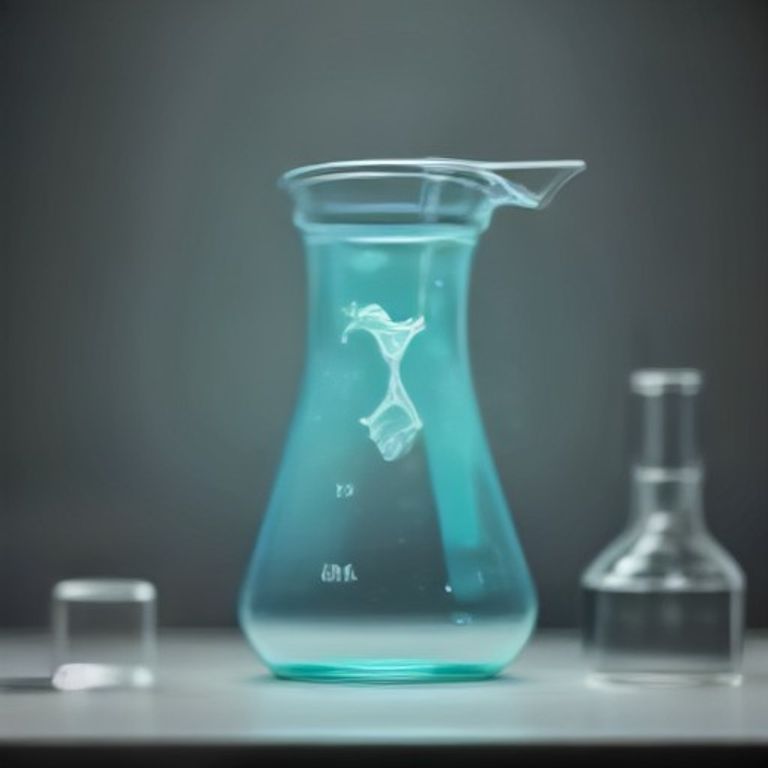
When I first stepped into a laboratory, the humble test tube caught my eye. It’s small, clear, and seemingly simple, yet it powers countless experiments and routine procedures. In this article, I’ll walk you through the many test tube uses that make it an indispensable piece of laboratory glassware. Whether you’re a student, researcher, or medical technician, you’ll discover practical tips and real‑world examples that go beyond the textbook.
Test Tube Uses in Biology Labs
Biology labs love test tubes for good reasons. Their narrow shape and transparent walls create a perfect environment for:
- Sample incubation: Growing bacterial colonies or culturing small tissue samples.
- Microscopy preparation: Holding stained slides or liquid specimens before viewing under a microscope.
- Enzyme reactions: Running quick assays where temperature control is crucial.
Think of a test tube as a mini‑incubator that you can easily swing into a water bath, just like a tiny bathtub for cells.
Test Tube Uses for Chemical Reactions
In chemistry, test tubes serve as small‑scale reaction vessels. Their advantages include:
- Easy mixing by gentle swirling – no need for a magnetic stir bar.
- Rapid heating or cooling using a flame or ice bath.
- Clear observation of color changes, precipitate formation, or gas evolution.
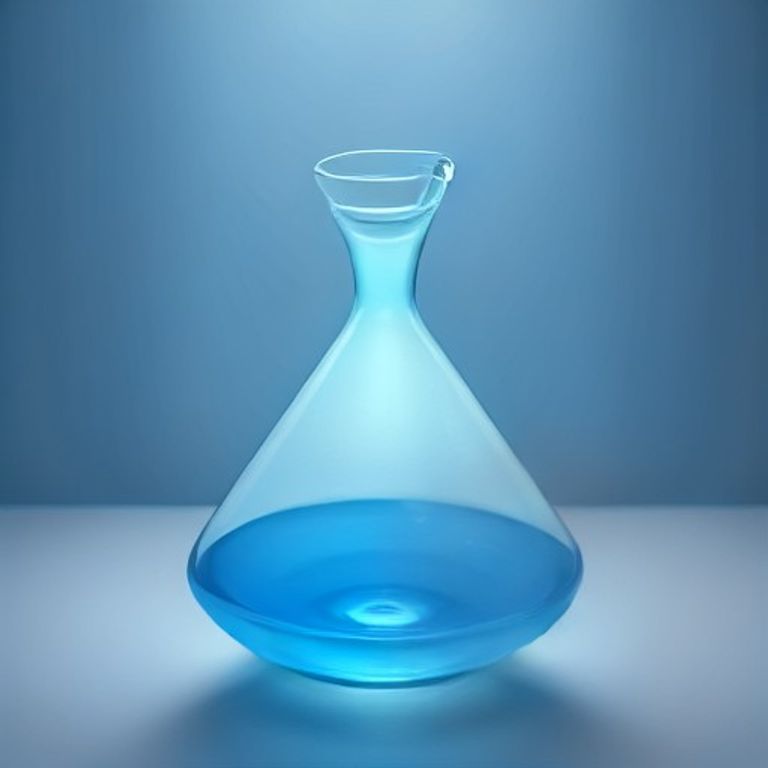
If you ever need to test a reaction before scaling up, a test tube is your go‑to “prototype” container. For a broader view of complementary glassware, check out The Ultimate Guide to Erlenmeyer Flasks, which explains when a flask might be a better choice.
Test Tube Uses in Medical Diagnostics
Medical labs rely on test tubes for:
- Blood collection: Vacutainer tubes with anticoagulants keep samples stable.
- Urine analysis: Small volumes are sufficient for dip‑stick testing.
- PCR and DNA extraction: Tubes provide a sterile, closed environment for nucleic acid work.
Because they can be sealed tightly, test tubes help prevent contamination – a critical factor when diagnosing diseases.
Test Tube Uses for Sample Storage
When you need to store samples for later analysis, test tubes offer:
- Compact stacking in racks, saving bench space.
- Compatibility with cryogenic freezers (use cryovials designed like test tubes).
- Clear labeling surfaces for easy identification.
Remember to follow sterile tube usage guidelines to maintain sample integrity over weeks or months.
Test Tube Uses in Educational Experiments
In classrooms, test tubes turn abstract concepts into hands‑on learning. Examples include:
- Demonstrating acid‑base neutralization with color indicators.
- Exploring gas evolution by reacting carbonates with acids.
- Showing diffusion rates by layering colored liquids.
These simple setups spark curiosity and reinforce theory with visual proof.
Choosing the Right Test Tube and Alternatives
Not all test tubes are created equal. Consider these factors:
- Material: Borosilicate glass for high‑temperature work; plastic for disposable, low‑risk tasks.
- Size: 10 mL for tiny reactions; 50 mL for larger cultures.
- Cap type: Screw caps for airtight sealing; cotton plugs for gas exchange.
If you prefer a disposable option, look for polypropylene tubes that mimic the shape of traditional glass but eliminate the need for cleaning. For precise volume measurements, you might also need a graduated cylinder – see The Ultimate Guide to Using a Graduated Cylinder for tips on reading and safety.
Conclusion
From culturing microbes to storing blood samples, test tubes are the unsung heroes of the lab bench. Their versatility, affordability, and ease of use make them a staple across biology, chemistry, medicine, and education. By understanding the specific test tube uses highlighted here, you can select the right tube for every task, keep experiments running smoothly, and maybe even discover a new way to solve a tricky problem.
FAQ
Q: Can I reuse glass test tubes for different experiments?
A: Yes, as long as you clean them thoroughly with detergent, rinse with distilled water, and sterilize (autoclave) when needed. Always check for cracks before reuse.
Q: When should I choose a plastic test tube over glass?
A: Use plastic for low‑temperature work, when you need a disposable option, or when the chemicals won’t react with polypropylene.
Q: How do I prevent contamination in a test tube during incubation?
A: Seal the tube with a sterile cap, work in a laminar flow hood, and label the tube with date and sample details.
Q: What is the best way to label test tubes?
A: Use waterproof, chemical‑resistant labels or a permanent marker. Write in clear, large font so you can read it from a distance.
Q: Are there any safety tips for heating test tubes?
A: Hold the tube with tongs, rotate it over the flame to avoid localized heating, and never heat a sealed tube – pressure can cause it to explode.