

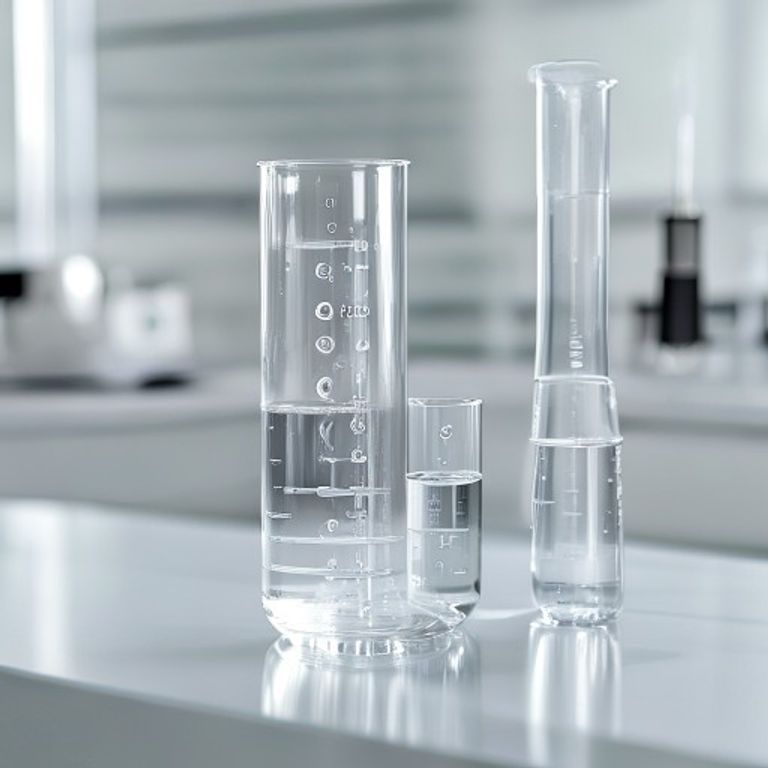
The Ultimate Guide to Using a Graduated Cylinder: Reading, Uses, and Safety Tips

Introduction
When we step into a chemistry lab, the first piece of glassware that often catches our eye is the graduated cylinder. It may look simple—a tall, narrow tube with markings—but it’s a powerhouse for accurate liquid measurement. In this article, I’ll walk you through how to read a graduated cylinder, explore its common uses and precautions, compare it with a beaker, and even give tips on buying a 100 ml plastic graduated cylinder.
How to Read a Graduated Cylinder
Reading the volume correctly is crucial for precision. Here’s a quick step‑by‑step:
- Place the cylinder on a level surface. Any tilt will distort the meniscus.
- Eye level is key. Position your eyes directly in line with the liquid’s meniscus to avoid parallax error.
- Identify the meniscus. Most liquids form a concave meniscus; read the bottom of the curve.
- Read the nearest marking. If the liquid falls between two lines, estimate the fraction (e.g., 23.4 ml).
Think of the meniscus like the “horizon line” in a landscape painting—getting it right makes the whole picture accurate.
Common Uses and Precautions
Graduated cylinders are the go‑to tool for:
- Preparing standard solutions.
- Measuring reagents for titrations.
- Transferring precise volumes between containers.
But with great accuracy comes responsibility. Follow these precautions:
- Never use a cracked cylinder. Cracks can cause leaks and inaccurate readings.
- Rinse before and after use. Residual chemicals affect subsequent measurements.
- Avoid temperature shocks. Sudden changes can cause glass to break.
For a deeper dive into cleaning and calibration, check out our article on graduated cylinder function.
What Is a Graduated Cylinder Used for in a Lab?
In practice, a graduated cylinder bridges the gap between rough volume estimates (like those from a beaker) and the high precision of a pipette. It’s especially handy when you need:
- Quick, repeatable measurements of 10 ml to 1 L.
- Verification of volumes prepared with other equipment.
Because it’s transparent, you can also visually inspect the liquid for color changes or precipitates—something a closed pipette can’t show.
Difference Between a Beaker and a Graduated Cylinder
Both are staples, but they serve different purposes:
| Feature | Beaker | Graduated Cylinder |
|---|---|---|
| Accuracy | ±5 % | ±1 % or better |
| Shape | Wide mouth, short | Tall, narrow |
| Typical Use | Mixing, heating | Precise volume measurement |
In short, reach for a beaker when you need space to stir; reach for a graduated cylinder when the exact volume matters.
Buying a Plastic Graduated Cylinder (100 ml)
Plastic cylinders are lighter and less breakable than glass, making them ideal for educational labs or field work. Here’s what to look for:
- Material: Polypropylene (PP) offers chemical resistance to most acids and bases.
- Markings: Clear, non‑fading ink; consider cylinders with both metric and imperial scales.
- Calibration: Verify that the manufacturer provides a calibration certificate.
Remember, plastic isn’t as heat‑tolerant as glass, so avoid using it on hot plates.
Related Lab Tools You Might Need
If you’re already handling liquids, you’ll likely use a pipette soon. Mastering its operation can boost your accuracy even further. Our guide on pipette filler usage walks you through the best practices.
Conclusion
Mastering the graduated cylinder is a small step that yields big rewards in any lab. By reading the meniscus correctly, respecting safety precautions, and choosing the right material, you’ll enjoy reliable measurements every time. Whether you’re a student, hobbyist, or seasoned researcher, the graduated cylinder remains an indispensable ally.
FAQ
Q: Can I use a graduated cylinder for volatile liquids?
A: Yes, but work quickly and keep the cylinder covered to minimize evaporation.
Q: How often should I calibrate my graduated cylinder?
A: At least once a year, or whenever you notice a discrepancy during routine checks.
Q: Is it okay to use a glass cylinder for acidic solutions?
A: Generally yes, but avoid strong hydrofluoric acid, which attacks glass.
Q: What’s the best way to clean a plastic cylinder?
A: Rinse with distilled water, then use a mild detergent if needed. Avoid harsh solvents that can degrade the plastic.
Q: Can I measure solids with a graduated cylinder?
A: Only if the solid dissolves completely; otherwise, use a balance.