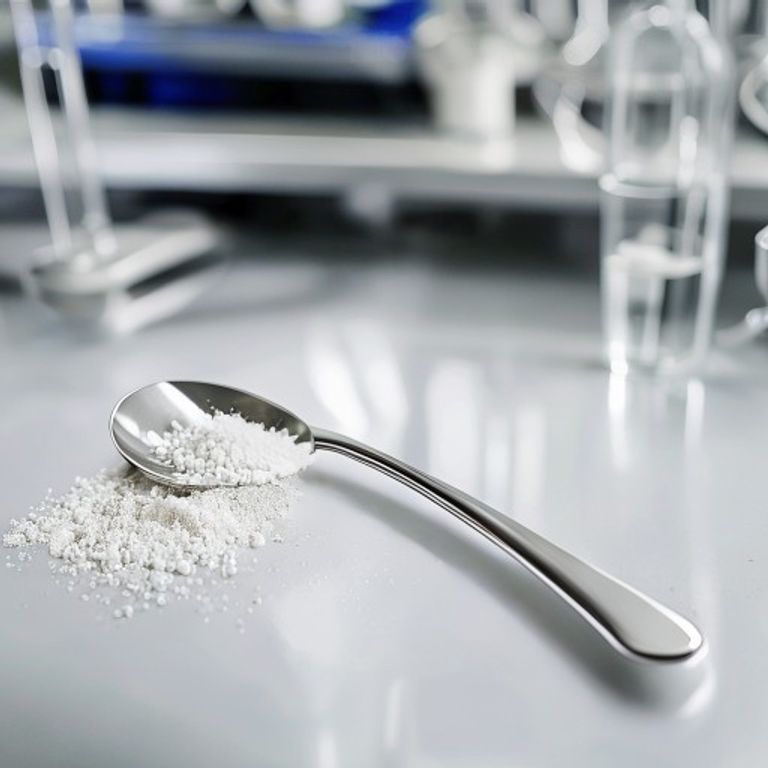
Your Ultimate Guide to Lab Spatulas: Choosing the Right Tool for Every Task

In the bustling world of laboratories, we often focus on the grand, complex precision liquid handling tools like pipettes or the dramatic flair of a Bunsen burner flame. But what about the unsung heroes? Today, let’s shine a light on one such humble yet indispensable laboratory instrument: the lab spatula. Trust me, it’s far more than just a simple scoop!
From transferring tiny amounts of delicate chemical powders to handling biological samples, a lab spatula is a fundamental part of almost every experimental setup. If you’ve ever struggled to transfer a stubborn reagent or contaminated a sample because of the wrong tool, you’ll know exactly what I mean. Choosing the right spatula can genuinely make or break your experiment, ensuring accuracy, preventing contamination, and making your work much, much easier.
What Exactly is a Lab Spatula?
At its core, a lab spatula is a hand-held tool designed for scraping, transferring, or applying powders, pastes, and other granular or semi-solid materials. Think of it like a miniature shovel or spoon for the lab. While they might seem straightforward, their design, material, and specific features are optimized for the unique challenges of a laboratory environment.
Unlike kitchen spatulas used for flipping pancakes, lab spatulas are built for precision, chemical resistance, and ease of cleaning. They are essential chemical handling tools, critical for maintaining the integrity of your samples and the accuracy of your results.
The Versatile World of Lab Spatulas: Types and Their Uses
Just like you wouldn’t use a hammer to drive a screw, you shouldn’t use a generic spatula for every lab task. There’s a whole family of spatulas, each with its own strengths. Let’s explore some of the most common and specialized types:
Stainless Steel Spatulas: Your Workhorses
These are perhaps the most common spatulas you’ll encounter. Made from high-grade stainless steel, they are incredibly durable, resistant to corrosion from many chemicals, and easy to sterilize. Many of us prefer a stainless steel lab spatula with spoon on one end and a flat blade on the other. This dual-ended design is fantastic for scooping powders from wide-mouthed containers and then scraping them into narrower vessels. They’re perfect for general reagent transfer and mixing.
Precision Handling: Best Micro Spatula for Chemical Powders
When you’re dealing with microgram quantities of expensive or potent chemical powders, a standard spatula just won’t cut it. This is where the best micro spatula for chemical powders comes into play. These tiny, delicate tools often have extremely narrow blades or pointed tips, allowing you to accurately scoop and transfer minute amounts of material without waste. Think of it like using tweezers instead of tongs for a tiny bead – precision is key!
Specialty Spatulas: Teflon Coated for Delicate Tasks
For certain applications, especially with sticky substances or those that might react with metal, a teflon coated lab spatula uses its non-stick properties to prevent material from adhering to the surface. Teflon, or PTFE, also offers excellent chemical resistance, making it ideal for sensitive biological samples or when working with highly corrosive compounds where even stainless steel might eventually degrade. They ensure maximum recovery of your sample and minimize cross-contamination.
Flexible Friends: For Biological Samples and Tricky Transfers
Sometimes, rigidity isn’t what you need. A flexible lab spatula for biological samples, often made from polypropylene or other flexible plastics, is perfect for gently scraping cells from culture dishes, spreading thin layers of material, or navigating curved surfaces. Their pliability allows for thorough retrieval of samples that might otherwise be left behind by a rigid tool. Plus, they can be disposable, adding a layer of sterility for biological work.
Why Choose the Right Spatula? Practical Tips for Your Lab
Using the correct spatula isn’t just about convenience; it’s about accuracy, safety, and reproducibility. Here are a few practical tips we’ve learned over the years:
- Prevent Contamination: A dedicated spatula for each reagent or type of sample minimizes cross-contamination, which can ruin experiments.
- Ensure Accuracy: A micro spatula for small amounts guarantees you’re adding precisely what you intend, especially in quantitative analyses.
- Maximize Recovery: Flexible or Teflon-coated spatulas help you recover every last bit of an expensive or crucial sample.
- Safety First: For corrosive or toxic powders, using a spatula that prevents static charge buildup or allows for remote handling can be crucial.
Care and Maintenance: Keeping Your Spatulas Pristine
Like all laboratory instruments, spatulas need proper care. For stainless steel versions, thorough washing with laboratory detergent, rinsing with distilled water, and drying is usually sufficient. Sterilization (autoclaving or dry heat) is often necessary for biological applications. For plastic or coated spatulas, follow the manufacturer’s guidelines, as some may not withstand high heat. Regular inspection for bends, nicks, or corrosion is also vital to prevent sample contamination.
Where to Get Your Lab Spatulas?
If you’re looking to stock up, knowing where to buy lab spatula bulk can save you time and money. Most major laboratory supply companies offer a wide range of spatulas, often with bulk purchasing options. Online retailers specializing in scientific equipment are also great resources. Always check the material specifications and ensure they meet your lab’s quality and safety standards.
Conclusion
So there you have it – the mighty lab spatula, a small tool with a huge impact on your lab work. It’s not just about scooping; it’s about precision, safety, and efficiency. By understanding the different types and their specific applications, we can ensure our experiments are more accurate, our samples are safer, and our time in the lab is more productive. Don’t underestimate the power of choosing the right tool for the job!
FAQ About Lab Spatulas
Q: Can I use a regular kitchen spatula in the lab?
A: We strongly advise against it! Kitchen spatulas are not designed for the chemical resistance, precision, or sterility required in a lab environment. They can leach contaminants or react with reagents.
Q: How do I choose the right size spatula?
A: Consider the quantity of material you need to transfer and the opening size of your containers. A micro spatula for tiny amounts in test tubes, and a larger blade for bulk transfers from beakers.
Q: Are disposable spatulas better for certain tasks?
A: Yes, especially for biological samples or highly sensitive analyses where preventing cross-contamination is paramount. They eliminate the need for cleaning and ensure a fresh, sterile tool every time.
Q: What’s the difference between a spatula and a scoop?
A: While often used interchangeably, a spatula typically has a flat blade (or a blade on one end and a spoon on the other) for scraping and transferring smaller, more precise amounts. A scoop generally has a deeper, more pronounced bowl shape designed for moving larger quantities of powder sampling scoops. Both are types of reagent transfer devices.