Why the Erlenmeyer Flask’s Conical Shape Is a Lab Game‑Changer

Introduction
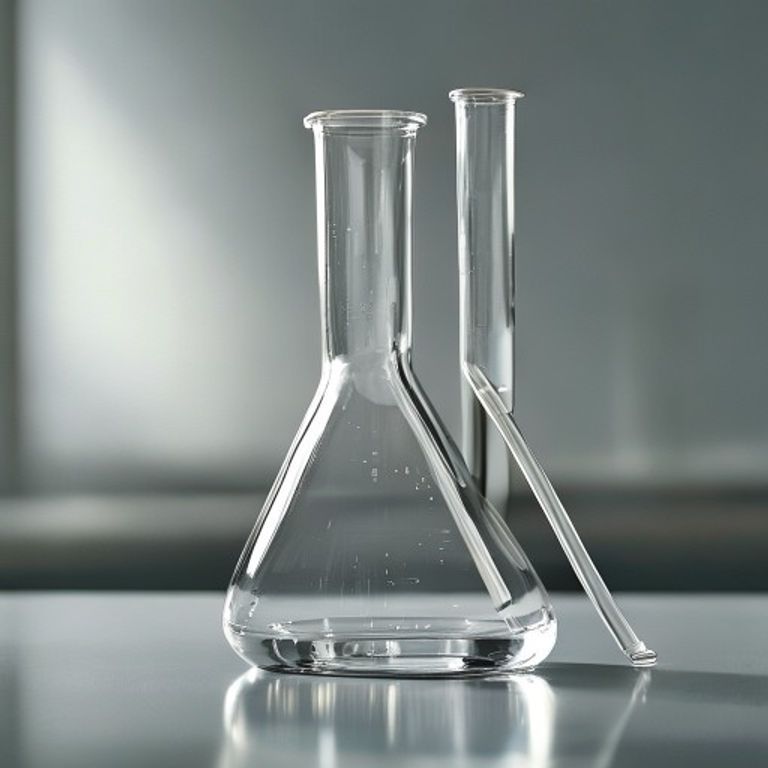
Ever wondered why the Erlenmeyer flask looks like a tiny volcano? Its iconic conical shape isn’t just for looks – it’s a carefully engineered design that makes everyday lab work safer and more efficient. In this article, I’ll walk you through the purpose behind every curve, from the wide base to the narrow neck, and show you how this simple geometry beats a regular beaker in many real‑world scenarios.
The Science Behind the Cone
Why is an Erlenmeyer flask conical?
The cone gives the flask a low center of gravity, which means it stays upright even when you’re shaking it. Think of it like a child’s toy that always lands on its base – the wider bottom spreads the weight and reduces the chance of tipping over.
Benefits of the design for swirling
When you swirl a solution, the conical walls guide the liquid in a circular motion without splashing. This is especially handy during titration or when you need to mix reagents gently. The smooth transition from the wide body to the narrow neck creates a natural vortex, much like a whirlpool in a bathtub.
How the shape prevents splashback
- Wide base, narrow opening: The liquid can move freely inside, but the narrow neck acts like a guardrail, keeping droplets from escaping.
- Angled walls: They direct the force of any sudden movement upward, reducing the kinetic energy that would otherwise push the liquid out.
Function of the narrow neck
The neck isn’t just a decorative flourish. It serves three key purposes:
- Control of evaporation: A smaller opening limits the surface area exposed to air, slowing down solvent loss.
- Easy sealing: You can fit a stopper or rubber bung snugly, making the flask ideal for reactions that need an airtight environment.
- Precise pouring: The tapered neck acts like a funnel, allowing you to pour drops without a mess.
Erlenmeyer vs. Beaker: The Real Advantage
If you’ve ever used a beaker for mixing, you know it can be a splash‑fest when you tilt it quickly. The beaker’s secret life reveals many uses, but when it comes to minimizing splashback and supporting gentle swirling, the Erlenmeyer wins hands down. Its conical shape offers better control, while the beaker’s straight sides make it harder to keep liquids contained during vigorous mixing.
Practical Tips for Using Your Erlenmeyer Flask
- Swirl, don’t shake: Use a gentle circular motion to mix; the cone will do the heavy lifting.
- Use a glass stirring rod: Pairing the flask with a glass stirring rod helps you achieve a uniform mixture without breaking the vortex.
- Cap it when needed: For reactions that generate gases, seal the narrow neck with a stopper to control pressure.
- Temperature control: The thick glass and narrow opening reduce heat loss, making the flask suitable for gentle heating.
Conclusion
The Erlenmeyer flask’s conical shape isn’t a random design choice – it’s a purposeful solution to common lab challenges. From preventing splashback to enabling precise pouring and controlled evaporation, every curve works for you. Next time you reach for a flask, remember that you’re holding a piece of engineering that makes chemistry smoother, safer, and a bit more fun.
FAQ
Q: Can I use an Erlenmeyer flask for high‑temperature reactions?
A: Yes, but make sure the flask is made of borosilicate glass and avoid direct flame on the narrow neck.
Q: Is the conical shape better for titration than a beaker?
A: Absolutely. The shape allows you to swirl the solution without splashing, which is crucial for accurate titration.
Q: How does the narrow neck help with solvent evaporation?
A: By limiting the exposed surface area, it slows down the rate at which solvents escape, keeping concentrations stable longer.
Q: Can I use the flask as a makeshift funnel?
A: Yes, the tapered neck works like a built‑in funnel for transferring liquids into narrower containers.
Q: What’s the best way to clean an Erlenmeyer flask?
A: Rinse with distilled water, then use a brush that fits the narrow neck. For stubborn residues, a mild acid wash works well.