


What Are Test Tubes Used For? Practical Applications in Labs and Everyday Science

Introduction
When you walk into a chemistry or biology lab, one of the first pieces of glassware you’ll see is the humble test tube. Despite its simple shape—a short, cylindrical tube with a rounded bottom—this little container is a workhorse for countless experiments. In this article, we’ll explore what test tubes are used for in various scientific settings, from routine sample analysis to heating reactions, and share practical tips on handling them safely.
Common Uses of Test Tubes in Chemistry
In chemistry, test tubes serve as miniature reaction chambers. Their small volume (usually 10‑50 mL) makes them perfect for:
- Mixing reagents for quick qualitative tests.
- Observing color changes or precipitate formation.
- Conducting small‑scale syntheses that don’t require a beaker.
- Collecting gas samples for later analysis.
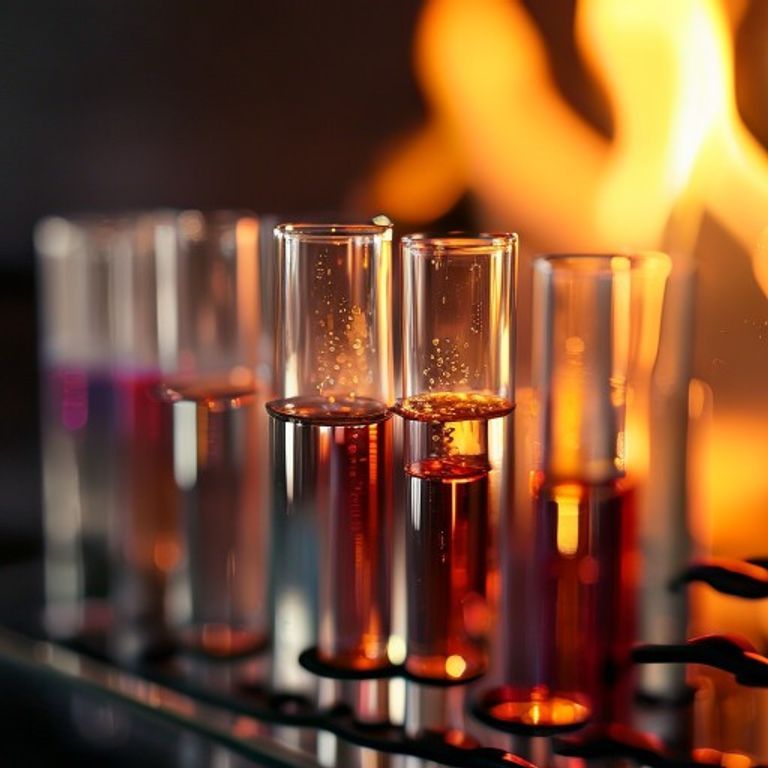
Because they are made of heat‑resistant glass, you can place a test tube in a flame or a heating block to speed up reactions. Just remember to use a test‑tube holder to avoid burns.
Purpose of Test Tubes in Biology Experiments
Biologists love test tubes for handling tiny amounts of biological material. Typical applications include:
- Culturing microorganisms in broth media.
- Storing blood, serum, or DNA samples for short‑term analysis.
- Performing enzyme assays where only microliters of substrate are needed.
- Separating cellular components by centrifugation (micro‑centrifuge tubes are a modern variant).
The narrow opening helps minimize contamination, while the transparent walls let you monitor growth or reaction progress without opening the tube.
How to Use Test Tubes for Heating Liquids
Heating liquids in a test tube is a classic lab skill. Here’s a step‑by‑step guide:
- Secure the tube: Place it in a rubber test‑tube holder.
- Apply heat: Use a Bunsen burner, hot plate, or water bath. For gentle heating, a water bath is safer.
- Swirl gently: Rotate the tube to distribute heat evenly and prevent hot spots.
- Avoid boiling over: Keep the liquid well below the neck of the tube; use a watch glass if needed.
- Cool down: Let the tube sit in a heat‑resistant rack before handling.
If you need precise temperature control, consider a essential guide to beaker use for larger volumes, but the test tube remains the go‑to for quick heating.
Different Applications of Test Tubes Beyond the Lab
Test tubes aren’t confined to academic labs. You’ll find them in:
- Medical diagnostics: Blood typing, urine analysis, and rapid antigen tests.
- Food testing: Small‑scale pH or microbial tests for quality control.
- Educational kits: High‑school chemistry sets often include test tubes for safe, hands‑on learning.
- Art projects: Creative lighting fixtures or miniature terrariums.
Tips for Maintaining Test Tubes
Good lab practice extends to the glassware itself. Follow these simple steps to keep your test tubes in top shape:
- Clean after each use: Rinse with distilled water, then wash with a mild detergent.
- Inspect for cracks: Even a tiny fissure can cause breakage under heat.
- Label clearly: Use waterproof markers or lab‑grade labels to avoid mix‑ups.
- Store upright: Prevent dust accumulation and protect the rounded bottom.
Related Lab Tools You Might Need
While test tubes are versatile, they often work hand‑in‑hand with other pieces of lab equipment. For mixing solutions, a essential guide to stirring rod function can help you achieve a uniform mixture without spilling.
Conclusion
From heating tiny reaction mixtures to culturing microbes, test tubes are indispensable in both research and routine diagnostics. Understanding what test tubes are used for helps you select the right glassware for your experiment, work more efficiently, and keep safety front and center. Next time you pick up a test tube, remember it’s not just a piece of glass—it’s a compact laboratory that can unlock a world of scientific discovery.
FAQ
Q: Can I use plastic test tubes for heating?
A: Generally no. Plastic tubes melt at lower temperatures. Use glass test tubes for any heating step.
Q: How many times can I reuse a test tube?
A: As long as the tube is free of cracks and properly cleaned, it can be reused indefinitely.
Q: What’s the difference between a test tube and a micro‑centrifuge tube?
A: Micro‑centrifuge tubes are smaller (0.5‑2 mL) and have a snap‑cap, designed for high‑speed centrifugation. Test tubes are larger and usually open‑ended.
Q: Is it safe to heat a test tube directly over a flame?
A: Yes, if you use a holder and keep the liquid level below the neck to avoid boiling over.
Q: Can I store chemicals in test tubes for long periods?
A: Short‑term storage is fine, but for long‑term or reactive chemicals, use appropriate containers like amber bottles.







