

Unveiling the Beaker: More Than Just a Simple Glass in the Lab

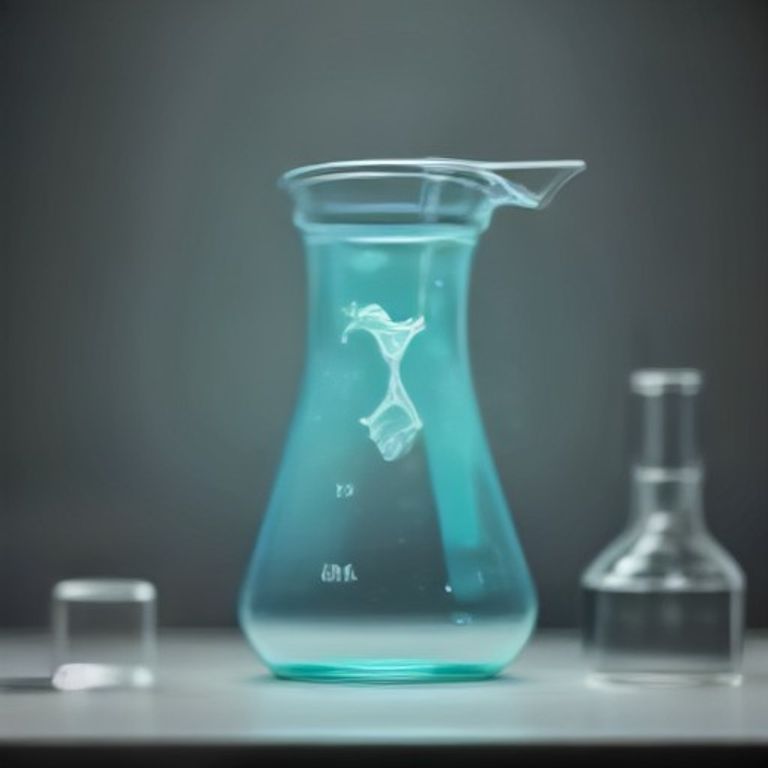
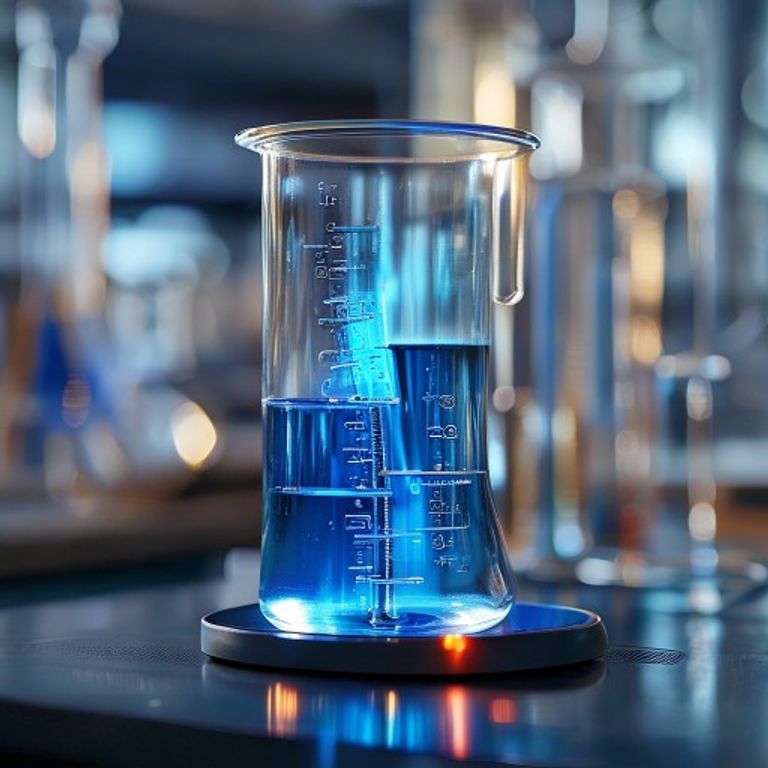
When we think of a chemistry lab, one of the first images that often pops into our minds is a glass container with markings on the side – yes, we’re talking about the humble beaker! It might look simple, but don’t let its unassuming appearance fool you. A beaker is one of the most versatile and indispensable pieces of laboratory equipment, playing a crucial role in countless experiments and practical applications. So, what exactly are beakers used for in chemistry, and why do we rely on them so much?
Here, we’ll dive deep into the world of beakers, exploring their common uses for beakers in labs, some alternative uses for laboratory beakers, and even their practical applications beyond the scientific bench. Let’s get started!
The Core Functions: Common Uses for Beakers in Labs
At its heart, a beaker is designed for functionality and convenience in the lab. Its wide mouth and straight sides make it incredibly easy to use for several key tasks:
Mixing Solutions
This is probably the most frequent job for a beaker. Whether we’re dissolving a solid into a liquid or combining two different liquids, the beaker’s shape is perfect for stirring. We can use a stirring rod, a magnetic stirrer, or simply swirl the beaker itself to achieve a homogeneous mixture. Imagine trying to mix paint in a narrow test tube – it wouldn’t be very effective, right? Beakers give us that necessary space.
Heating Liquids
Many chemical reactions require heat. Beakers, especially those made from borosilicate glass (like Pyrex or Kimax), are built to withstand significant temperature changes. We can place a beaker directly on a hot plate, use a Bunsen burner (with a wire gauze to spread the heat evenly), or even put it in a water bath. The large opening also helps in dissipating heat or allowing for easy condensation observation when heating.
Holding and Storing Liquids (Temporarily)
Think of a beaker as a temporary parking spot for our scientific liquids. We often use them to hold reagents, intermediate solutions, or even waste liquids before proper disposal. It’s a quick and convenient way to keep things organized during an experiment. However, it’s important to remember that beakers aren’t ideal for long-term storage, especially for volatile chemicals, due to their open top.
Performing Chemical Reactions
From simple acid-base titrations to more complex synthesis reactions, beakers provide a stable and accessible vessel. Their broad opening allows us to easily add reactants, monitor changes, and introduce probes or other instruments into the reaction mixture.
Pouring Chemicals
The small spout on the rim of most beakers, often called a “beak,” is specifically designed for controlled pouring. It helps to direct the flow of liquid, minimizing spills and making it easier to transfer solutions from one container to another without making a mess. It’s a simple feature, but incredibly useful!
Why Aren’t Beakers Good for Accurate Measurement?
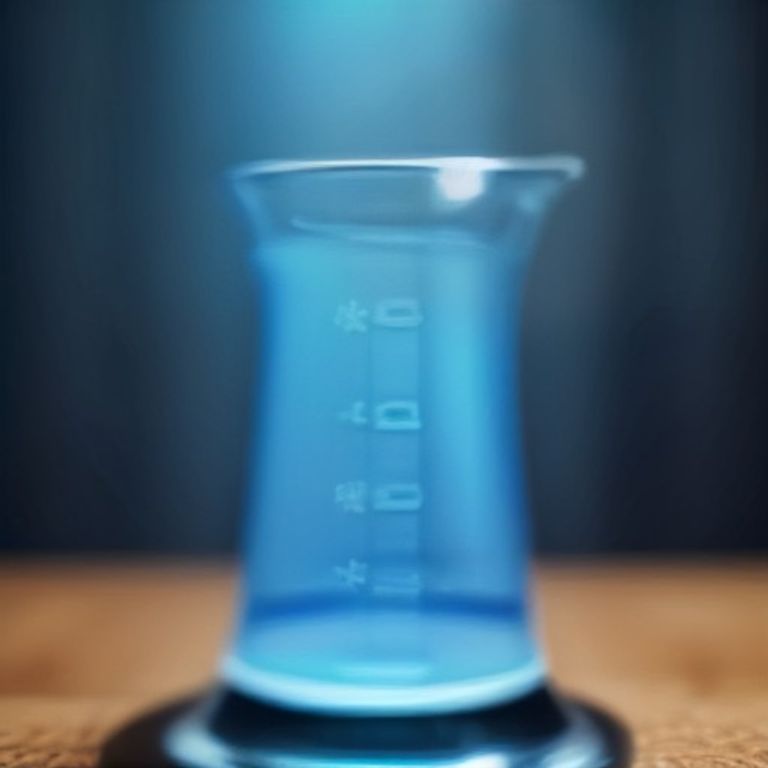
While beakers have volume markings on their sides, these graduations are often approximate. If you look closely, you’ll usually see “±5%” or a similar tolerance. This means if a beaker says 100 mL, it could actually be 95 mL or 105 mL. For precise measurements, we turn to other laboratory equipment like volumetric flasks or the graduated cylinder: your go-to guide for accurate volume measurement in the lab. Think of it this way: a beaker is like a measuring cup for rough estimates in cooking, while a graduated cylinder is like a precise measuring spoon.
Beyond the Lab: Alternative Uses for Laboratory Beakers
Even though they’re designed for scientific work, beakers can sometimes find their way into everyday life. Their robust construction and clear glass make them surprisingly versatile:
- Vases: Their simple, elegant design makes them perfect for holding flowers, especially in a minimalist or industrial decor.
- Pencil Holders: On a desk, a small beaker can be a quirky and functional holder for pens, pencils, or other stationery.
- Kitchen Use (with caution): While not food-grade certified, some people use clean, dedicated glass beakers for measuring ingredients in baking or cooking where precision isn’t paramount, or for holding sauces or oils. Always ensure they are thoroughly cleaned and designated only for this purpose if you choose to do so.
- Crafting Supplies: Artists and crafters might use them to hold paintbrushes, mix custom colors, or even as decorative elements.
Taking Care of Our Beakers: Practical Tips
To ensure our beakers serve us well, proper care is essential:
- Cleaning: Always clean beakers immediately after use to prevent residues from drying and becoming difficult to remove. Use appropriate cleaning agents based on what was held in them.
- Handling Heat: When heating with a Bunsen burner, always use a wire gauze with a ceramic center to distribute heat evenly and prevent thermal shock, which can crack the glass.
- Storing: Store clean beakers in a way that prevents chipping or breaking, ideally in designated glassware cabinets.
Conclusion
From facilitating complex chemical reactions to simply holding a solution, the uses of a beaker are truly extensive. It’s a testament to good design that such a simple piece of scientific glassware can be so fundamental to scientific discovery and practical applications. Next time you see a beaker, we hope you’ll have a newfound appreciation for its incredible versatility!
FAQ
Q: Can I use a beaker for accurate volume measurements?
A: No, beakers are generally not suitable for accurate volume measurements. Their graduations are approximate. For precise measurements, you should use a graduated cylinder or a volumetric flask.
Q: Are all beakers made of glass?
A: While most common laboratory beakers are made of borosilicate glass (which is heat resistant), you can also find plastic beakers, especially for less rigorous applications or where breakage is a concern.
Q: What’s the main difference between a beaker and a flask?
A: Beakers have straight sides and a wide mouth, making them ideal for mixing, heating, and temporary storage. Flasks, like Erlenmeyer flasks, typically have a narrower neck, which helps reduce evaporation, allows for swirling without spilling, and can be easily sealed with a stopper.
Q: Can I heat chemicals in a plastic beaker?
A: Generally, no. Plastic beakers are usually not designed for heating, as they can melt or leach chemicals when exposed to high temperatures. Always use glass beakers made from borosilicate glass for heating purposes.