


Unlocking Success: What’s the Real Purpose Behind Your Business Funnel?

Introduction: More Than Just a Buzzword – Understanding Your Funnel’s Core
Hey there, fellow business explorers! Have you ever heard the term “marketing funnel” or “sales funnel” thrown around and wondered, “What’s the big deal? Is it just jargon, or is there something truly powerful behind it?” Well, you’re in the right place! Today, we’re going to dive deep into the essential concept of funnel purpose. It’s not just about attracting customers; it’s about understanding their journey and making sure they have the best experience with your brand.
Think of it this way: if your business is like a grand adventure, your funnel is the map that guides your potential customers from being curious strangers to loyal advocates. Without a clear map, people get lost, right? That’s exactly why understanding the core objective of a sales funnel is crucial for any business, big or small. We’ll explore not just what a funnel is, but its ultimate reason for being, and how a well-defined purpose can supercharge your business growth.
What Exactly *Is* a Funnel (and Why Does it Matter)?
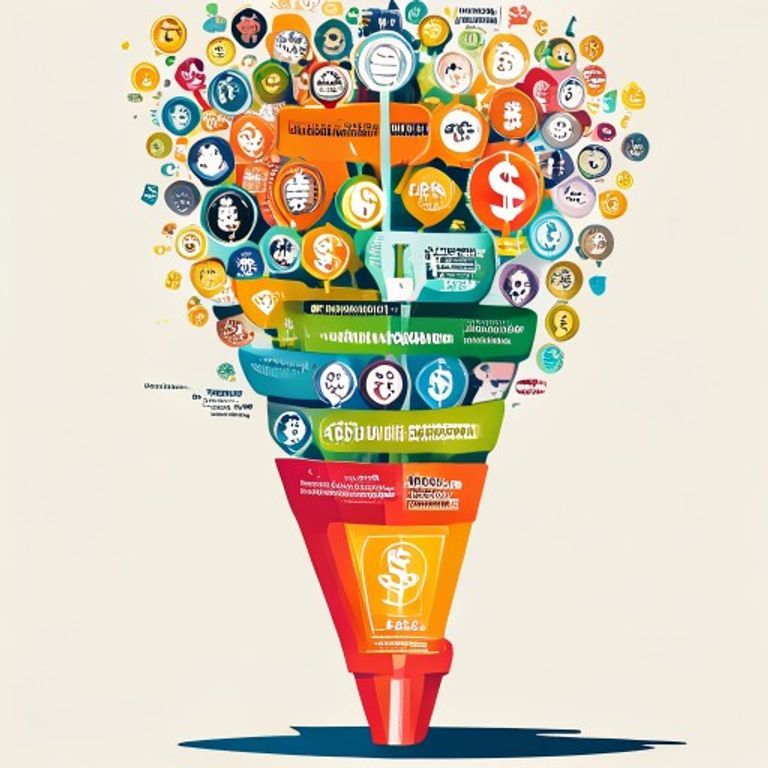
At its heart, a marketing or sales funnel is a visual representation of the path a potential customer takes from their very first interaction with your brand all the way to making a purchase and beyond. Imagine an actual funnel – wide at the top, narrowing down to a small opening at the bottom. The top is where you cast a wide net, attracting many prospects (or leads). As they move down, they become more engaged and qualified, eventually leading to a smaller number of conversions at the bottom.
So, what is the purpose of a marketing funnel? It’s to systematically guide these prospects through various customer journey stages. It helps us visualize where people are in their decision-making process, allowing us to deliver the right message at the right time. Without this roadmap, our marketing efforts would be like throwing spaghetti at the wall and hoping some of it sticks – inefficient and often ineffective.
The Grand Purpose: Guiding Your Customer’s Journey
The primary funnel purpose is to create a predictable and optimized path for your prospects. We want to nurture them, educate them, and build trust so that when they are ready to buy, your business is their top choice. Let’s break down how it helps:
- Awareness: At the top, we grab attention. This could be through social media, blog posts, ads, or search engines. The purpose here is simply to let people know you exist and offer something valuable.
- Interest: Once aware, we aim to pique their interest. This might involve them signing up for your newsletter, downloading a free guide, or watching a demo. Here, we’re building a relationship.
- Consideration: Now, they’re actively evaluating solutions, including yours. We provide more in-depth information, case studies, or consultations to help them see why your offering is the best fit.
- Conversion: This is the bottom of the funnel – where they make a purchase, sign up for a service, or complete your desired action. This is a critical step for revenue generation strategy.
- Retention/Advocacy: The journey doesn’t end with a sale! A good funnel also considers how to keep customers happy, encourage repeat business, and turn them into brand advocates who spread the word.
By defining your funnel purpose at each stage, you can optimize your messaging and strategies, leading to better conversion rate improvement and overall business health.
Why Businesses Can’t Live Without Funnels: Key Benefits
You might be asking, why do businesses use sales funnels? The benefits are immense and directly impact your bottom line. Here are just a few reasons why a clearly defined funnel is a game-changer:
- Predictable Growth: Once you understand your funnel’s conversion rates, you can predict how many leads you need at the top to achieve your sales targets. This brings much-needed clarity to your business planning.
- Optimized Marketing Spend: By seeing where prospects drop off, you can identify bottlenecks and focus your resources on fixing those specific areas, making your marketing budget work harder. This leads to better sales pipeline optimization.
- Improved Customer Experience: A well-designed funnel ensures prospects receive relevant information at each stage, making their journey smooth and enjoyable. This personalized approach builds stronger relationships.
- Better Lead Nurturing: Funnels are perfect for implementing a structured lead nurturing process, guiding potential customers with valuable content until they are ready to buy.
- Enhanced ROI: Ultimately, all these benefits boil down to a better return on your investment in marketing and sales. When you know your funnel purpose, every effort is more targeted and effective.
Beyond Sales: The Ultimate Goal of a Conversion Funnel
While making sales is undeniably a core objective, the ultimate goal of a conversion funnel extends beyond just the initial transaction. It’s about building a sustainable, profitable relationship with your customers. We’re not just looking for a one-time sale; we’re aiming for customer lifetime value. A conversion funnel helps you achieve this by:
- Fostering brand loyalty and repeat purchases.
- Identifying opportunities for upsells and cross-sells.
- Turning satisfied customers into powerful referrals and testimonials.
- Gathering valuable feedback to improve your products/services.
Understanding the benefits of defining funnel purpose truly empowers us to see the bigger picture: sustainable growth fueled by happy, loyal customers.
Setting Up for Success: Defining Your Funnel’s Core Objective
So, how do we make sure our funnel is effective? It all starts with clearly defining its core objective. Instead of just saying “I want more sales,” try to be more specific. For example:
- “Our funnel’s purpose is to convert visitors to our blog into email subscribers within 30 days.”
- “The goal of this specific sales funnel is to book 20 demo calls for our new software next month.”
- “Our post-purchase funnel aims to increase repeat purchases by 15% in the next quarter.”
By understanding the core objective of a sales funnel for each stage and for the funnel as a whole, we can tailor our content, calls to action, and follow-up sequences to achieve those precise goals. It’s like setting a GPS destination before you start driving – you know exactly where you’re going and what turns to make.
Conclusion: Your Funnel, Your Success Story
As we’ve explored, the funnel purpose is far more than a conceptual idea; it’s the strategic backbone of successful business operations. From understanding what is the purpose of a marketing funnel to appreciating why do businesses use sales funnels, we’ve seen how a well-defined funnel guides prospects, optimizes efforts, and ultimately drives sustainable growth.
So, take the time to map out your customer’s journey. Define the purpose of each step. You’ll not only gain clarity but also unlock incredible potential for revenue generation strategy and build a thriving community around your brand. It’s truly an indispensable tool in our business toolkit, helping us turn fleeting interest into lasting loyalty.
FAQ: Your Funnel Purpose Questions Answered
Q1: Is a marketing funnel the same as a sales funnel?
A1: They are very similar and often used interchangeably. Generally, a marketing funnel focuses on attracting and nurturing leads, while a sales funnel focuses on converting those leads into paying customers. They often overlap and work hand-in-hand.
Q2: How do I know if my funnel is working?
A2: You need to track key metrics! Look at conversion rates at each stage (e.g., visitors to leads, leads to qualified prospects, qualified prospects to sales). If you see a high drop-off at any point, that’s where you need to optimize.
Q3: Can I have multiple funnels for my business?
A3: Absolutely! Many businesses have different funnels for different products, services, target audiences, or specific goals (e.g., a lead generation funnel, a webinar registration funnel, a product launch funnel).
Q4: What’s the first step to defining my funnel purpose?
A4: Start by identifying your ideal customer and their typical journey. Then, clearly define the specific action you want them to take at the end of the funnel. From there, work backward to map out the steps.