Unlocking Precision: Your Ultimate Guide to the Laboratory Mortar and Pestle

Unlocking Precision: Your Ultimate Guide to the Laboratory Mortar and Pestle
In the bustling world of scientific research and analysis, where precision is paramount and every detail matters, we often find ourselves relying on sophisticated, high-tech equipment. But sometimes, the true workhorses of the lab are the simplest tools. Today, let’s shine a light on one such humble yet indispensable item: the laboratory mortar and pestle.
Perhaps you’ve seen them in chemistry labs, pharmacies, or even in historical contexts. These unassuming tools are far more crucial than they might appear at first glance. They are the unsung heroes responsible for reducing solids to fine powders, thoroughly mixing compounds, and preparing samples for a myriad of analyses. Without them, countless experiments and discoveries would simply not be possible. So, let’s dive deeper into why this classic duo remains an essential part of any modern lab.
More Than Just Grinding: The Core Function of Your Lab Mortar and Pestle
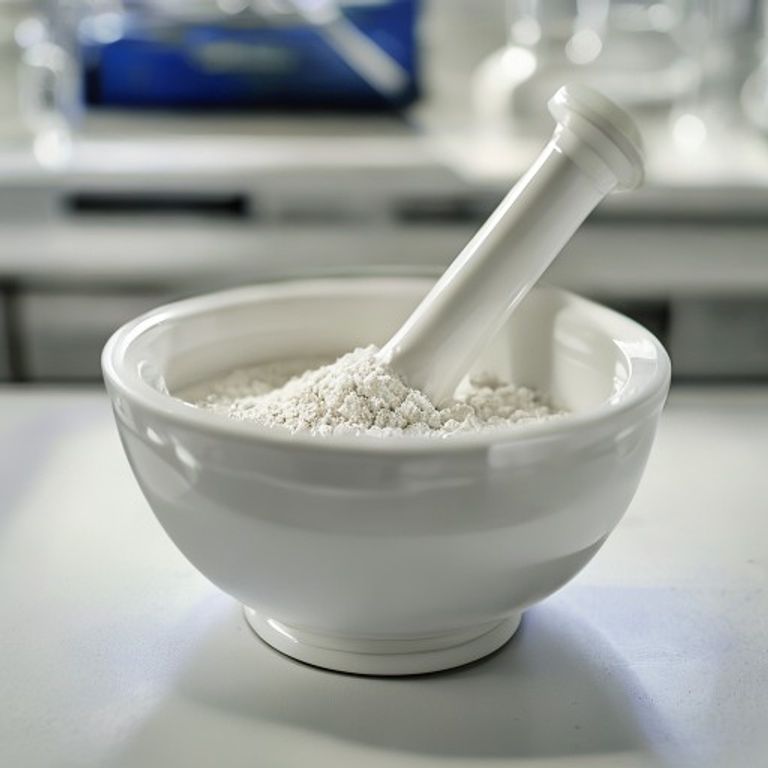
At its heart, the primary function of a laboratory mortar and pestle is mechanical comminution – that’s a fancy way of saying grinding and crushing. The mortar is the bowl, and the pestle is the club-shaped tool used to apply pressure and friction. Together, they allow us to:
- Reduce Particle Size: Turning larger chunks of material into fine powders increases surface area, which is critical for reaction kinetics, dissolution rates, and analytical processes.
- Homogenize Mixtures: Ensuring that different solid components are evenly distributed throughout a mixture. This is vital for consistency in experiments and product formulation.
- Extract Active Compounds: Crushing plant materials, for instance, can help release active chemical components for further study.
Think of it like preparing spices in your kitchen, but with a scientific purpose. The goal is always to achieve a consistent, uniform result.
Choosing Your Perfect Partner: Material Matters
Just like choosing the right instrument for a musical performance, selecting the correct laboratory mortar and pestle material is key for specific applications. Each material offers unique advantages:
1. Ceramic Mortar and Pestle: The All-Rounder
For general laboratory use, especially in chemical analysis and preparation, ceramic (often porcelain or alumina) is incredibly popular. Why? Because it’s hard, non-porous, and resistant to many chemicals. It provides excellent grinding action without contaminating samples. If you’re working with various inorganic compounds or need to prevent scratching, a high-quality ceramic mortar and pestle for chemical analysis is often our go-to choice.
2. Stainless Steel Mortar and Pestle: For Tough Jobs
When we encounter particularly tough or fibrous materials, or need to work at very low temperatures (like with liquid nitrogen), a stainless steel mortar and pestle for laboratory use comes into its own. Stainless steel is incredibly durable, resistant to corrosion, and less prone to breaking than ceramic. It’s fantastic for samples that require significant mechanical force or where contamination from silicates (which can leach from ceramic) must be avoided.
3. Glass Mortar and Pestle: The Contamination Avoider
For sensitive biological samples, pharmaceutical preparations, or when dealing with highly colored compounds where minimal sample loss and easy cleaning are crucial, a glass mortar and pestle set for sample preparation is often preferred. Glass is inert, transparent (allowing us to see the grinding process), and very easy to clean thoroughly, which reduces the risk of cross-contamination. While not as robust for very hard materials, its smooth surface is ideal for gentle trituration.
4. Small Mortar and Pestle: Precision in Micro-Scale
In specialized fields like small mortar and pestle for pharmaceutical labs or biochemistry, we often work with very small quantities of precious samples. A compact, often exquisitely crafted small mortar and pestle allows for precise grinding and mixing without unnecessary sample loss. They are perfect for compounding formulations where every milligram counts.
5. Ergonomic Mortar and Pestle: Comfort for Long Hours
For researchers who spend a lot of time on sample preparation equipment, ergonomics matter. An ergonomic mortar and pestle for research labs is designed with user comfort in mind, reducing strain during prolonged use. Features like weighted pestles, non-slip bases, and comfortable grip handles can make a significant difference in daily lab work.
Practical Tips for Mastering Your Mortar and Pestle
Using a mortar and pestle might seem straightforward, but a few tricks can significantly improve your results:
- Start Gentle: Begin with gentle crushing motions, then move to circular grinding to achieve fine particles.
- Portion Control: Don’t overload the mortar. Work with small amounts of material to ensure efficient grinding.
- Scraping Down: Periodically scrape down material from the sides of the mortar with a laboratory spatula for precision and safety to ensure all particles are subjected to grinding.
- Cleanliness is Key: Always clean your mortar and pestle thoroughly before and after each use to prevent cross-contamination.
- Patience is a Virtue: Achieving a truly fine and homogeneous powder takes time and consistent effort. Don’t rush the process!
FAQ: Your Questions Answered
Q1: What’s the main difference between ceramic and glass mortars?
A1: Ceramic mortars (like porcelain) are generally harder and better for grinding tough materials, offering good chemical resistance. Glass mortars are more inert, transparent, and easier to clean, making them ideal for sensitive biological or pharmaceutical samples where minimal contamination and visual inspection are crucial. They are generally less robust for very hard grinding.
Q2: Can I use the same mortar and pestle for different chemicals?
A2: It’s best practice to dedicate specific mortars and pestles for certain types of chemicals or applications, especially if dealing with highly potent or reactive substances. If you must reuse, ensure incredibly thorough cleaning and sterilization between uses to prevent cross-contamination.
Q3: How do I properly clean a mortar and pestle?
A3: For most applications, hot water and a lab detergent followed by rinsing with distilled or deionized water is sufficient. For stubborn residues, you might need to use appropriate solvents. Always ensure it’s completely dry before storing to prevent microbial growth or reactions with residual moisture.
Q4: Are there automated versions of mortar and pestle?
A4: Yes, for high-throughput or extremely fine grinding, automated grinder-mixers or ball mills are available. However, for smaller scale or specific delicate preparations, the manual laboratory mortar and pestle remains a preferred choice due to its control and versatility.
Conclusion
The laboratory mortar and pestle, whether it’s a robust stainless steel mortar and pestle, a precise small mortar and pestle for pharmaceutical labs, or a transparent glass mortar and pestle set, continues to be a fundamental and irreplaceable tool in labs worldwide. Its simplicity belies its profound importance in enabling accurate sample preparation and chemical analysis. By understanding the different types and how to use them effectively, we can unlock greater precision and reliability in our scientific endeavors. So, next time you reach for this classic duo, remember the crucial role they play in advancing our understanding of the world.