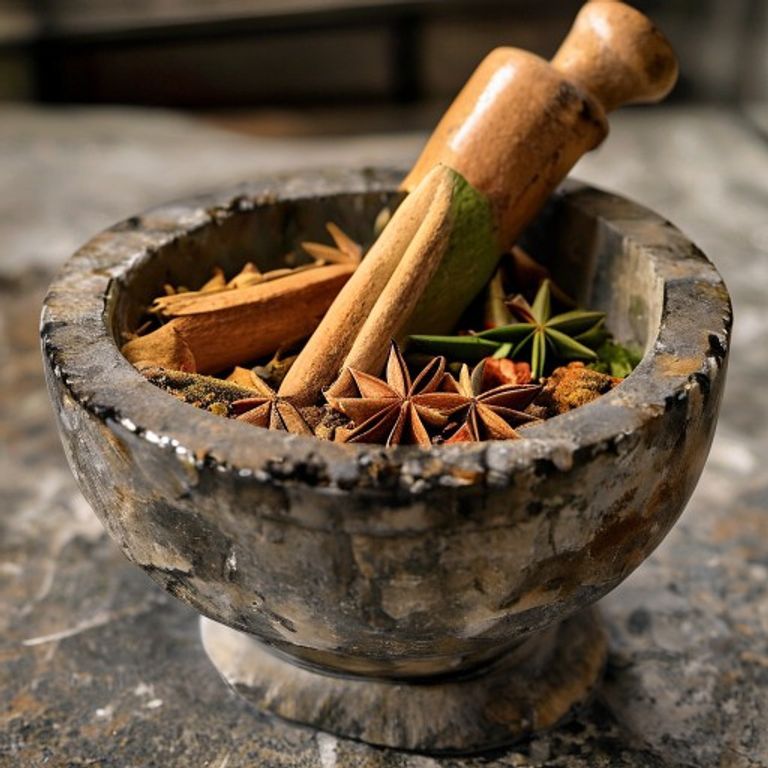
Unlocking Culinary Magic: Your Ultimate Guide to the Pestle and Mortar

Have you ever wondered what’s missing from your kitchen arsenal? Maybe you’ve got all the gadgets, the blenders, the food processors… but there’s one humble tool that often gets overlooked, yet holds the secret to unlocking incredible flavors: the pestle and mortar. For me, it’s not just a kitchen tool; it’s a gateway to a richer culinary experience. We’re talking about something simple yet profoundly effective, designed to crush, grind, and blend ingredients in a way no machine can truly replicate. If you’re ready to elevate your cooking, let’s dive into the fascinating world of this timeless culinary companion.
What Exactly is a Pestle and Mortar and What is it Used For?
So, what exactly is a pestle and mortar used for? At its core, it’s a duo: a pestle (the club-shaped grinding tool) and a mortar (the bowl). Their job? To work together, breaking down ingredients by bruising and grinding them rather than just chopping. This action releases essential oils and aromas that might stay locked away with other methods. Think about fresh herbs – when you truly crush them, you smell that vibrant aroma immediately, right? That’s the magic! While we often associate it with culinary adventures, these tools also play a critical role in scientific settings. If you’re curious about its more scientific applications, you might be interested in Unlocking Lab Potential: Your Complete Guide to the Laboratory Mortar and Pestle. But back to the kitchen! We primarily use it for grinding spices, crushing herbs for pastes like pesto or curry, making guacamole, or even crafting your own salad dressings. It’s like having a miniature flavor laboratory right on your countertop.
A Journey Through Time: The History and Origin of Pestle and Mortar
This isn’t a new-fangled gadget, by the way. The history and origin of pestle and mortar stretch back thousands of years. From ancient civilizations in Asia, Africa, and Europe, people have relied on this simple yet powerful duo for everything from preparing medicines to processing grains. It’s one of humanity’s oldest kitchen tools, a testament to its enduring effectiveness. Even today, in many cultures, the sound of a pestle striking a mortar is a familiar and comforting sign of food preparation. It’s a tool that connects us directly to our ancestors’ cooking methods, proving that sometimes, the old ways are truly the best ways.
Mastering the Art: How to Use a Pestle and Mortar Properly
Now, let’s get down to business: how to use a pestle and mortar properly. It might seem straightforward, but there’s a bit of an art to it. First, remember: small batches are key. Don’t overload your mortar, or you’ll end up with ingredients flying everywhere, trust me! Start with crushing larger pieces gently, using the weight of the pestle, and then move to a circular grinding motion. Imagine you’re trying to ‘smear’ the ingredients against the sides of the mortar, not just pound them straight down. For dry spices, a bit of coarse salt can act as an abrasive, helping to break them down faster and finer. For wet ingredients, a firm, circular motion will help create that smooth paste you’re after. Practice makes perfect, and soon you’ll be a pro at creating incredible textures and flavors with ease.
Choosing Your Culinary Companion: Best Material for Pestle and Mortar
So, you’re convinced you need one, but which one? The best material for pestle and mortar really depends on what you plan to do with it and what aesthetic you prefer. Here are the most common types we encounter:
Granite:
This is my personal favorite for general cooking. It’s heavy, non-porous (mostly), and incredibly durable. The rough texture is fantastic for truly breaking down tough seeds and spices, giving you a superior grind.
Marble:
Beautiful and elegant, marble is great for softer ingredients like fresh herbs or making guacamole. Just be aware that it can stain more easily than granite, so keep that in mind if you’re working with vibrant spices like turmeric.
Ceramic:
Often glazed, ceramic pestle and mortars are easy to clean and good for small amounts or medicines. However, the glazed surface can sometimes be too smooth for tough spices, making the grinding process less efficient.
Wood:
Commonly found in many Southeast Asian kitchens, wood is excellent for dry spices and herbs. It’s gentler, but can absorb odors and flavors over time, and might not be as effective for truly fine grinding as stone.
Metal (like cast iron):
Very durable, but can sometimes impart a metallic taste if not seasoned or cared for properly. These are often best for very tough ingredients or for a rustic, heavy-duty aesthetic.
If you’re buying your first one, I’d usually suggest a good, heavy, unpolished granite one. It’s a workhorse that will serve you well for years.
The Flavor Advantage: Benefits of Using Pestle and Mortar for Cooking
Beyond the practical aspects, what are the benefits of using pestle and mortar for cooking? Oh, where do I even begin! This is where the real magic happens:
- Unbeatable Flavor: This is the biggest one, hands down. Electric grinders chop and heat ingredients, which can dissipate volatile oils and aromas. A pestle and mortar, however, *bruises* and *crushes*, gently releasing those precious oils and aromas, resulting in a much more intense and nuanced flavor profile. It’s like comparing a freshly picked berry to a processed fruit snack – there’s just no comparison!
- Control Over Texture: You have complete, granular control over the final texture, from a coarse crush to a fine powder or a rustic paste. This versatility is something machines often can’t match, allowing you to achieve exactly the consistency you desire for your dish.
- A Therapeutic Experience: Honestly, there’s something incredibly satisfying and meditative about the rhythmic act of grinding. It connects you to your food in a deeper way, transforming the act of cooking into a more mindful and enjoyable process.
- Versatility: From grinding whole spices for your curries, mashing garlic and ginger for stir-fries, making fresh pesto, or even mixing up your own spice rubs, the possibilities are endless. It’s a true multi-purpose piece of culinary equipment that earns its spot on your counter.
It brings an authenticity to your cooking that’s hard to achieve otherwise, making your dishes sing with vibrant, fresh flavors.
Conclusion
So, there you have it. The humble pestle and mortar is far more than just an old-fashioned kitchen tool. It’s a powerful ally in the pursuit of flavor, a connection to culinary history, and a surprisingly satisfying experience. If you’ve been relying solely on electric grinders or pre-ground spices, I urge you to give this ancient method a try. You might just discover a whole new world of taste and aroma in your cooking that you didn’t know you were missing. Go ahead, unleash the culinary magic in your own kitchen!
FAQ about Pestle and Mortar
Can I grind nuts in a pestle and mortar?
Absolutely! A pestle and mortar is fantastic for crushing herbs and nuts, especially if you want a coarser texture for a sprinkle on salads or baked goods. For very fine nut flours, you might need a dedicated grinder, but for a rustic texture, it’s perfect.
How do I clean my pestle and mortar?
Cleaning depends on the material. For granite, marble, or ceramic, simply rinse with warm water and scrub with a brush if needed. Avoid soap on porous materials like unsealed granite or wood, as they can absorb the scent, potentially affecting future dishes. For these, a good rinse and air dry, or grinding a bit of raw rice to absorb odors and oils, usually does the trick. Never put porous ones in the dishwasher!
Is it really better than an electric spice grinder?
For flavor, many chefs and home cooks would passionately say yes! The pestle and mortar’s action bruises and crushes, releasing more essential oils than the high-speed chopping and heating of an electric grinder. While an electric grinder is undoubtedly faster for large quantities or achieving very fine, uniform powders, the flavor difference and the nuanced textures you can achieve with a pestle and mortar are often noticeable and superior.