


Tripod Stand Uses in Chemistry Labs: Practical Guide, Setup Tips, and Experiment Examples

Introduction
When we step into a chemistry lab, the first thing we often notice is the array of metal stands, clamps, and burners. Among them, the humble tripod stand might seem like just another piece of equipment, but it’s actually a workhorse that makes many everyday experiments possible. In this article, I’ll walk you through what a tripod stand is used for in chemistry, why it’s essential for heating and support, and how to set it up safely. By the end, you’ll have a clear picture of how this simple three‑legged frame can keep your lab work stable and efficient.
What Is a Tripod Stand Used for in Chemistry?
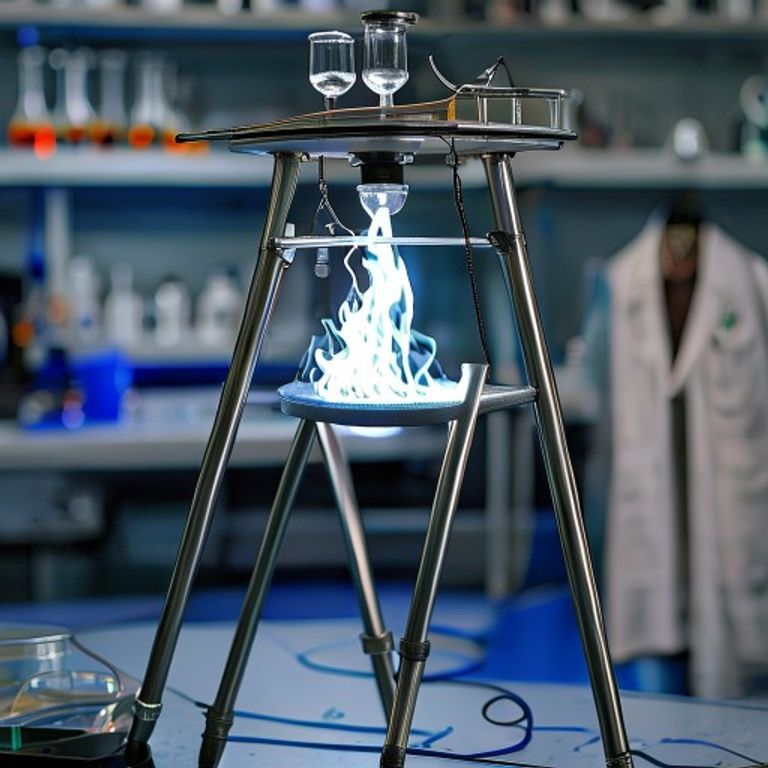
A tripod stand is a three‑legged metal frame, usually made of stainless steel or iron, that provides a sturdy platform for holding various lab accessories. Its main functions include:
- Supporting heating equipment: It holds a wire gauze and a beaker or flask over a Bunsen burner.
- Elevating containers: It raises beakers, flasks, or crucibles to a convenient working height.
- Providing stability: The three legs distribute weight evenly, reducing the risk of tipping.
Think of the tripod as the “table” for your heating experiments – without it, you’d be trying to balance a hot beaker on a flimsy stand, which is a recipe for spills and accidents.
Purpose of a Tripod Stand in Laboratory Experiments
The purpose goes beyond just holding things up. A tripod stand:
- Allows uniform heat distribution when combined with a wire gauze, preventing direct flame contact that could crack glassware.
- Facilitates quick adjustments – you can raise or lower the height by moving the stand or swapping the gauze size.
- Serves as a versatile platform for other accessories such as crucibles, evaporating dishes, or even a small digital balance when a stable surface is needed.
How to Set Up a Tripod Stand for Heating in a Lab
Setting up a tripod stand is straightforward, but following a few safety steps makes a big difference:
- Place the tripod on a level bench. Ensure all three legs are firmly on the surface.
- Attach a wire gauze. The gauze acts like a “safety net” that spreads the flame’s heat.
- Position the beaker or flask. Center it on the gauze; the glass should sit evenly.
- Light the Bunsen burner. Keep the flame low to medium at first, then adjust as needed.
- Monitor the temperature. Use a thermometer or a thermocouple if precise control is required.
Remember to keep a heat‑resistant mat or ceramic tile under the tripod if you’re working on a wooden bench.
Role of a Tripod Stand with Wire Gauze in Chemical Reactions
The combination of a tripod stand and wire gauze is a classic duo for many reactions:
- Even heating: The gauze diffuses the flame, reducing hot spots that could cause uneven reaction rates.
- Protection of glassware: Direct flame can cause glass to crack; the gauze prevents this by acting as a buffer.
- Versatility: You can place different sized containers on the same gauze, making it easy to switch between experiments without changing the setup.
For example, when performing a simple distillation of water, the gauze ensures the boiling flask receives gentle, consistent heat, which improves the efficiency of vapor collection.
Examples of Experiments Using a Tripod Stand in Chemistry
Here are a few common lab activities where a tripod stand shines:
1. Heating a Solution in an Erlenmeyer Flask
We often need to warm a solution before a titration. Placing the Erlenmeyer flask on a tripod with wire gauze distributes the heat evenly, preventing localized boiling that could cause splashing. For more ideas on how to use Erlenmeyer flasks effectively, check out Erlenmeyer flask uses.
2. Evaporating Solvents
When you need to concentrate a solution, a tripod stand holds the beaker over a gentle flame, allowing the solvent to evaporate slowly while the gauze protects the glass.
3. Performing a Simple Precipitation Reaction
Mixing two aqueous solutions in a beaker placed on a tripod helps you keep the beaker stable while you add reagents dropwise. The steady platform reduces the chance of accidental spills.
4. Heating Test Tubes for Qualitative Analysis
Although test tubes are usually heated directly over a flame, a small tripod can hold a test tube holder, giving you more control over the heating angle. Learn more about test tube applications in test tube uses.
FAQ
Q: Can I use a tripod stand without wire gauze?
A: Yes, but it’s not recommended for heating glassware. Direct flame can cause cracks or uneven heating.
Q: What material should the tripod be made of?
A: Stainless steel or iron are common because they’re heat‑resistant and durable.
Q: How high should the tripod be?
A: The height should allow the flame to comfortably reach the bottom of the gauze without touching the glass directly. Adjust the legs if needed.
Q: Is it safe to use a tripod stand for heating corrosive chemicals?
A: Absolutely, as long as you use appropriate protective gear (gloves, goggles) and ensure the stand is stable on a non‑reactive surface.
Conclusion
In short, the tripod stand is a versatile, low‑cost piece of equipment that brings stability, safety, and convenience to many chemistry lab tasks. Whether you’re heating a solution, evaporating a solvent, or setting up a simple precipitation, the tripod and its wire gauze partner make the process smoother and safer. Next time you walk into the lab, give this three‑legged hero the attention it deserves – it might just be the difference between a successful experiment and a messy spill.







