


The Ultimate Guide to Laboratory Spatula Uses: Types, Techniques, and Maintenance

Introduction
When I first stepped into a chemistry lab, the tiny metal spoon‑like tool on the bench caught my eye. That’s a laboratory spatula, and despite its modest size, it’s a powerhouse for handling powders, crystals, and even viscous liquids. In this guide I’ll walk you through laboratory spatula uses, explore the different types, show you how to work with powders safely, and share tips on cleaning and choosing the best spatula for chemical samples.
What Are Laboratory Spatulas Used For?
Think of a spatula as the “hand‑tongs” of a lab. Its primary job is to transfer solid reagents without contaminating them or the surrounding environment. Typical uses include:
- Picking up solid samples from a weighing boat or a storage vial.
- Scooping powders into a crucible, beaker, or test tube.
- Mixing small amounts of reagents directly on a weighing paper.
- Scraping residues from glassware or stir bars.
Because it offers precise control, a spatula is indispensable for any task that involves reagent handling or sampling instrument work.
Different Types of Lab Spatulas and Their Uses
Just like there are many kinds of knives in a kitchen, lab spatulas come in various shapes and materials, each suited for a specific job.
Metal (Stainless Steel) Spatulas
These are sturdy, heat‑resistant, and ideal for transferring heavy or abrasive powders. They’re also easy to sterilize, making them a go‑to for microbiology labs.
Plastic Spatulas
Made from polypropylene or polyethylene, plastic spatulas are chemically inert to most organic solvents. Use them when you need to avoid metal contamination, especially with trace metal analysis.
Glass Spatulas
Perfect for very reactive or high‑temperature substances. Glass won’t spark and can be heated directly over a flame.
Wooden Spatulas
Rare in modern labs but still useful for extremely sensitive reactions where any metal or plastic could interfere.
How to Use a Laboratory Spatula for Powders
Handling powders may seem straightforward, but a few simple tricks can prevent loss, cross‑contamination, and exposure.
- Wear protective gear: goggles, gloves, and a lab coat are a must.
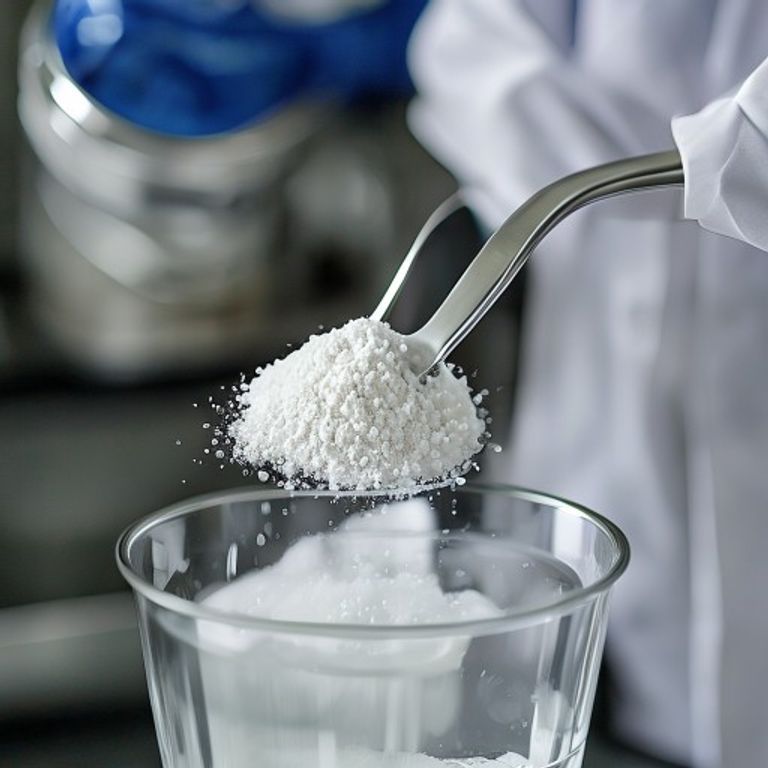
- Use a weighing boat or weighing paper: place the spatula tip inside, scoop the powder, and gently tap to release it.
- Avoid static buildup: if the powder sticks, lightly brush the spatula with a dry anti‑static brush.
- Transfer quickly: move the powder to the target container (e.g., a beaker or test tube) in one smooth motion.
When you need to move a small amount into a beaker, the flat edge of a metal spatula gives you the control you need without spilling.
Cleaning and Maintenance of Laboratory Spatulas
Proper care extends the life of your spatula and keeps experiments reliable.
- Rinse immediately: after each use, rinse with the appropriate solvent (water for aqueous work, acetone for organics).
- Scrub gently: use a soft brush; avoid abrasive pads that could scratch metal surfaces.
- Dry thoroughly: moisture can cause rust on steel spatulas.
- Store separately: keep metal spatulas away from strong acids or bases that could corrode them.
For labs that frequently use stirring, remember that a clean spatula works hand‑in‑hand with a stirring rod to ensure uniform mixing without cross‑contamination.
Choosing the Best Laboratory Spatula for Chemical Samples
Not all spatulas are created equal. Here’s a quick decision tree:
| Application | Recommended Material | Why? |
|---|---|---|
| High‑temperature work | Glass | Can withstand direct flame. |
| Trace metal analysis | Plastic (PP/PE) | Minimizes metal contamination. |
| Heavy powders or abrasive solids | Stainless steel | Durable and easy to clean. |
| General purpose | Stainless steel with a polymer tip | Combines strength and inertness. |
Pair your spatula choice with the right weighing boat and you’ll have a reliable sampling system every time.
Conclusion
Even though a laboratory spatula looks simple, mastering its uses can dramatically improve accuracy, safety, and efficiency in the lab. By picking the right type, handling powders with care, and maintaining the tool properly, you’ll reduce errors and keep your experiments on track. Next time you reach for that tiny spoon, remember it’s more than a utensil—it’s a precision instrument.
FAQ
Q: Can I use a metal spatula with acidic solutions?
A: Yes, stainless steel resists most acids, but avoid strong hydrofluoric acid as it can attack the metal.
Q: How often should I replace my spatulas?
A: Replace when you notice corrosion, deformation, or persistent residue that won’t clean off.
Q: Are plastic spatulas safe for organic solvents?
A: Most are compatible with common solvents like ethanol, acetone, and hexane, but check the manufacturer’s chemical resistance chart.
Q: What’s the difference between a spatula and a scoop?
A: A spatula has a flat, often tapered tip for scraping and precise transfers, while a scoop usually has a deeper bowl for larger volumes.
Q: Can I autoclave a plastic spatula?
A: Only if it’s labeled autoclavable; otherwise high heat may warp the plastic.







