


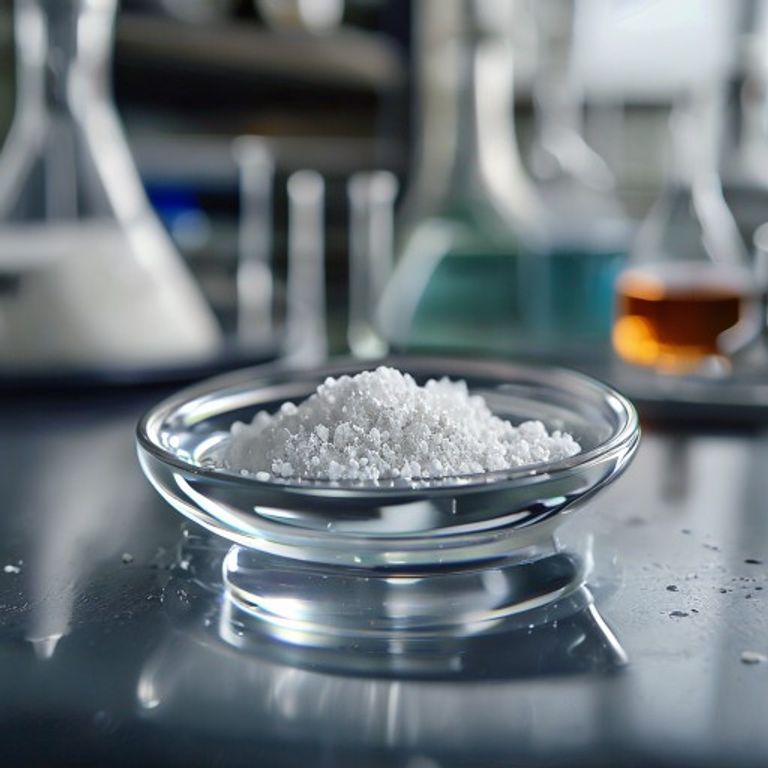
The Humble Hero: Unlocking the Versatile Watch Glass Function in Every Lab

In the bustling world of scientific research and everyday chemistry, we often find ourselves surrounded by an array of specialized scientific glassware. From intricate condensers to precise burettes, each piece has a unique role. But among these sophisticated tools, there’s one unassuming item that often goes unnoticed: the watch glass. This simple, concave piece of glass might seem trivial at first glance, but trust me, its essential function of a beaker and other lab equipment, along with its sheer versatility, makes it an indispensable component in almost any laboratory setting. Today, we’re going to explore the various functions of a watch glass, proving that sometimes, the simplest tools are the most powerful.
I remember my first time in a chemistry lab, looking at a stack of watch glasses and wondering what exactly they were for. They looked like oversized contact lenses or tiny, elegant saucers. Little did I know, these transparent discs are true workhorses, serving multiple critical purposes that streamline experiments and ensure accuracy. Let’s dive into the core applications and discover why this piece of lab equipment deserves our full attention.
What Exactly is a Watch Glass?
Before we delve into its myriad uses, let’s quickly define what a watch glass is. Essentially, it’s a circular, slightly concave piece of glass, typically made from borosilicate glass for its heat resistance and durability. Its edges are usually ground smooth to prevent cuts. The concavity is key to many of its functions, allowing it to hold small amounts of liquid or solid without spillage and providing a suitable surface for various applications.
The Main Uses of Watch Glass in the Laboratory
The beauty of the watch glass lies in its simplicity and adaptability. You’ll find it performing various duties across different types of experiments. Here are some of its primary roles:
1. Covering Beakers and Flasks
Perhaps one of the most common applications, and one I frequently use, is as a cover for beakers and Erlenmeyer flasks. You might think, why not just use a stopper? Well, a watch glass offers several advantages:
- Preventing Contamination: It acts as a barrier against dust, airborne particles, or accidental splashes from other experiments, keeping your sample pure.
- Reducing Evaporation: While it doesn’t create an airtight seal, it significantly reduces the rate of solvent evaporation, especially when heating. This is crucial for maintaining the concentration of your solution over time.
- Allowing Gas Exchange: Unlike a stopper, the slight gap created by the concavity of the watch glass allows for some gas exchange. This is vital in reactions where gases need to escape or enter without completely exposing the solution. It’s like putting a lid loosely on a pot of boiling water – steam can escape, but major splashes are contained. If you’re using an essential Erlenmeyer Flask, a watch glass is often the perfect companion.
2. Evaporating Solutions
When we need to recover a solid solute from a solution, the watch glass purpose in evaporating solutions becomes invaluable. Because of its wide, shallow design, it provides a large surface area relative to the volume of liquid it holds. This maximizes the rate of evaporation, allowing the solvent to escape quickly, leaving the solid behind. We often place the watch glass over a Bunsen burner (using a wire gauze and tripod) or on a hot plate for gentle heating to accelerate this process. Just be careful not to overheat, or your precious solid might decompose!
3. Weighing Solid Samples
For precise measurements, the role of watch glass in weighing solid samples is quite important. When using a digital balance, placing solid chemicals directly on the pan can cause contamination or damage. Instead, we typically tare (zero out) the balance with a clean, dry watch glass on it, and then add the solid sample. Its slightly concave shape helps contain the powder or granules, preventing spillage and making it easier to transfer the sample accurately into another vessel.
4. Holding Small Amounts of Substances
Whether it’s for temporary storage, preparing a small sample for observation under a microscope, or holding a reactant before adding it to a larger reaction vessel, the watch glass is perfect. It’s like having a mini plate for your chemicals, keeping them separated and easily accessible.
5. Observing Reactions
Sometimes, we need to observe a reaction that produces a small amount of precipitate or gas, or one that occurs over a small surface area. A watch glass can serve as a simple, transparent surface for these small-scale observations. Its clarity allows for easy visual inspection of color changes, crystal formation, or gas evolution.
Practical Tips for Using Your Watch Glass
- Always ensure your watch glass is clean and dry before use to avoid contaminating your samples.
- When heating, place it on a wire gauze over a tripod to ensure even heating and prevent direct flame contact.
- Choose a watch glass size appropriate for the beaker or flask you are covering, or the amount of sample you are weighing/evaporating.
- Handle with care; while durable, it is still glass and can break if dropped or subjected to sudden temperature changes.
Conclusion
So, the next time you step into a lab and spot that humble, curved piece of glass, remember its true value. The watch glass function is far more extensive than it appears, serving as a cover, an evaporation dish, a weighing boat, and a temporary holder for countless applications. Its simplicity belies its indispensable nature, making it a true unsung hero of lab equipment usage. From preventing contamination to aiding in precise measurements, this versatile tool proves that sometimes, the most basic designs yield the most powerful results in chemistry and beyond.
FAQ
Q1: Can a watch glass be used for high-temperature reactions?
A: While watch glasses are typically made from heat-resistant borosilicate glass, they are generally not designed for direct, intense heating like crucibles or evaporating dishes. They are better suited for gentle heating to aid evaporation or as a cover for heated solutions. Extreme temperature differences or direct flame can cause them to crack.
Q2: How do I clean a watch glass properly?
A: A watch glass can usually be cleaned with soap and water, followed by a thorough rinse with distilled water to remove any residues. For more stubborn chemicals, specific laboratory detergents or solvents might be needed. Always ensure it’s completely dry before reuse, especially if weighing hygroscopic materials.
Q3: What’s the difference between a watch glass and an evaporating dish?
A: An evaporating dish is typically thicker, made from porcelain or a heavier glass, and designed to withstand more direct and intense heating for evaporating solutions to dryness. A watch glass, while used for evaporation, is generally thinner and more fragile, making it better for gentle evaporation or as a cover rather than a primary vessel for vigorous heating.







