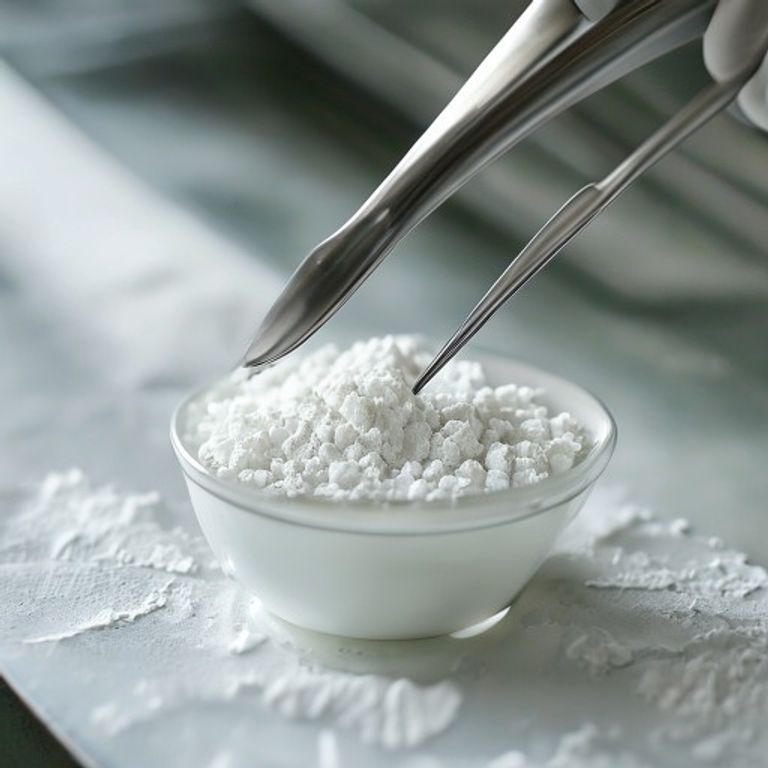
The Essential Guide to Using a Spatula in Chemistry Labs

Introduction
When we step into a chemistry lab, the first thing we notice isn’t the fancy glassware or the bubbling beakers—it’s the humble spatula. This small, often overlooked tool is the unsung hero for moving powders, scooping reagents, and keeping experiments tidy. In this article, I’ll walk you through everything you need to know about spatulas in chemistry: what they’re used for, the different types, how to pick the right one, cleaning tips, and safety rules.
What Is a Spatula Used for in Chemistry Labs?
A laboratory spatula is essentially a chemical transfer tool. Think of it as the “spoon” for solids. We use it to:
- Transfer powdered reagents from a bottle to a weighing boat.
- Mix small amounts of solid chemicals without contaminating the sample.
- Scrape residues from containers, ensuring no material is wasted.
- Handle hazardous solids while keeping our hands protected.
Just like a chef uses a spatula to flip a pancake without breaking it, we use a lab spatula to move delicate powders without spilling or cross‑contamination.
Types of Spatulas for Chemical Handling
Not all spatulas are created equal. The material and shape determine how well they perform with different chemicals.
1. Stainless Steel Spatulas
Stainless steel is strong, heat‑resistant, and easy to sterilize. Ideal for:
- High‑temperature applications.
- Corrosive acids that would eat away plastic.
- Reagents that need a clean, non‑reactive surface.
2. Plastic Spatulas (Polypropylene, PTFE)
Plastic spatulas are lightweight and inexpensive. They work best with:
- Non‑reactive organic powders.
- Situations where metal might spark (e.g., near flammable vapors).
Just remember that strong solvents can dissolve some plastics, so always check compatibility.
3. Glass or Quartz Spatulas
These are rare but useful when you need a completely inert surface for ultra‑pure samples. They’re fragile, so handle with care.
4. Specialty Shapes
Flat, spoon‑shaped, and pointed spatulas each have a niche:
- Flat spatulas for scraping the bottom of a beaker.
- Spoon‑shaped for scooping larger amounts.
- Pointed for precision work in narrow containers.
How to Choose a Laboratory Spatula for Your Experiments
Choosing the right spatula is like picking the right brush for painting—it affects the final result. Consider these factors:
- Chemical compatibility: Match the spatula material to the reagents you’ll handle.
- Temperature range: If you’ll be heating solids, go for stainless steel.
- Size and shape: Small, pointed spatulas for micro‑scale work; larger, flat ones for bulk transfers.
- Ergonomics: A comfortable handle reduces hand fatigue during repetitive tasks.
For a quick reference, think of the “spoon” you’d use for soup—if it’s too big, you’ll spill; if it’s too small, you’ll waste time.
Cleaning and Maintenance of Chemistry Spatulas
Keeping your spatula clean is essential for accurate results and safety. Follow these steps:
- Rinse immediately: After each use, rinse with distilled water to remove residual powder.
- Use appropriate solvents: For stubborn residues, soak in a compatible solvent (e.g., ethanol for organic residues, dilute acid for metal oxides).
- Scrub gently: Use a soft brush; avoid abrasive pads that can scratch the surface.
- Dry thoroughly: Air‑dry or wipe with a lint‑free cloth to prevent corrosion.
- Inspect before storage: Look for cracks, bends, or corrosion. Replace if damaged.
If you work with highly reactive chemicals, consider autoclaving stainless steel spatulas for extra sterilization.
Safety Guidelines for Using Spatulas in Chemistry
Even a simple tool can become hazardous if misused. Here are practical safety tips:
- Wear PPE: Lab coat, gloves, and safety goggles are a must.
- Avoid cross‑contamination: Use a dedicated spatula for each reagent or clean thoroughly between uses.
- Never use a damaged spatula: Bends or cracks can cause spills or breakage.
- Label your spatulas: If you have a set of color‑coded plastic spatulas, assign each color to a specific reagent class.
- Store properly: Hang spatulas on a clean rack or keep them in a sealed container to keep dust out.
Related Lab Tools You Might Already Know
While you’re mastering the spatula, you may also need to understand other lab equipment. For instance, learning about the spot plate purpose helps you handle small liquid samples, and a solid lab tripods guide ensures your glassware stays stable during heating. Don’t forget the beaker function when you need to measure or mix liquids after transferring solids with a spatula.
Conclusion
In short, the spatula may be small, but it plays a big role in the accuracy, safety, and efficiency of our chemistry work. By understanding the different types, picking the right one for your experiment, maintaining it properly, and following safety guidelines, you’ll keep your bench clean and your results reliable. Next time you reach for that stainless steel flat spatula, remember it’s not just a tool—it’s a partner in discovery.
FAQ
- Can I use a plastic spatula with strong acids? Generally, no. Strong acids can degrade many plastics. Opt for stainless steel instead.
- How often should I replace my spatulas? Inspect them before each use; replace if you notice any deformation, corrosion, or persistent staining.
- Is it okay to share spatulas between different labs? Only if they are thoroughly cleaned and sterilized between uses. Cross‑contamination can compromise experiments.
- What’s the best way to store spatulas? Hang them on a clean rack or keep them in a sealed, dust‑free container.
- Do spatulas work for liquid transfer? Not really. For liquids, use pipettes, syringes, or graduated cylinders.