


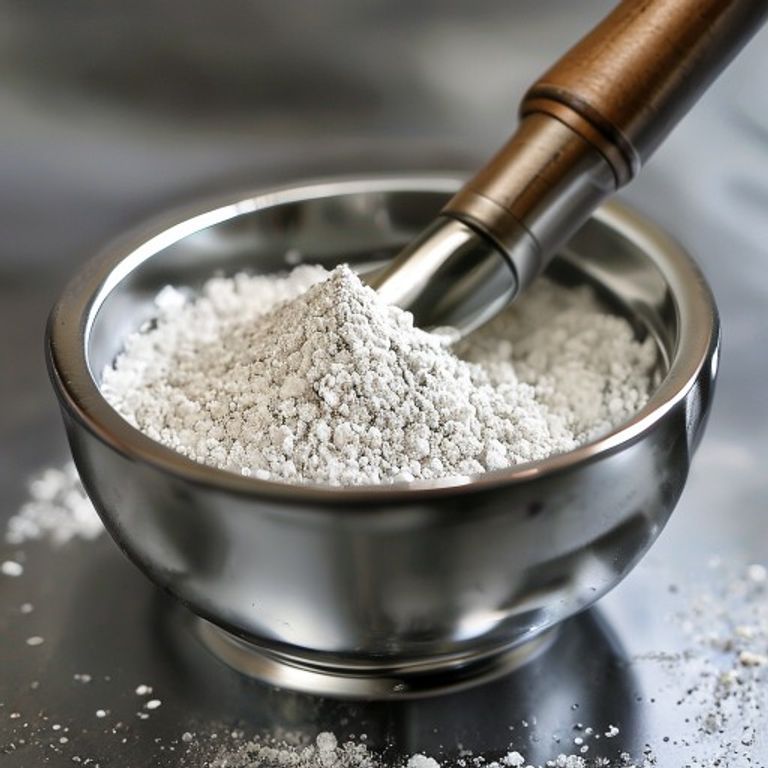
Mastering the Laboratory Mortar and Pestle: Practical Tips for Cleaning, Material Choice, and Grinding Protocols

Introduction
When I first stepped into a chemistry lab, the humble laboratory mortar and pestle seemed almost nostalgic—like a relic from an old apothecary. Yet, in modern analytical labs it’s still the workhorse for solid sample preparation. In this article I’ll share the practical know‑how that turns this simple tool into a precision instrument: how to clean it, which material is best, how to homogenize samples, reliable grinding protocols, and how to pick the right size for your experiments.
How to Clean a Laboratory Mortar and Pestle
Cleaning might sound trivial, but residues can skew results, especially in trace analysis. Follow these steps for a spotless tool:
- Rinse immediately after use with distilled water to prevent drying.
- Use a soft brush (nylon or polymer) to remove stubborn particles—metal brushes can scratch ceramic or glass surfaces.
- Apply a mild detergent or laboratory‑grade cleaning solution, then scrub gently.
- Rinse thoroughly with deionized water to eliminate any soap trace.
- Dry with lint‑free tissue or let air‑dry upside down.
For sterilization, especially when working with biological samples, autoclave the mortar and pestle (if they’re made of heat‑resistant materials) or soak them in 70 % ethanol for 15 minutes and let them dry in a sterile environment.
Best Material for Laboratory Mortar and Pestle
The choice of material influences durability, chemical compatibility, and grinding efficiency. Here’s a quick rundown:
- Ceramic (alumina) – Hard, wear‑resistant, and chemically inert. Ideal for most organic and inorganic powders.
- Glass (borosilicate) – Excellent for visual inspection of the sample, but can chip under heavy force.
- Metal (stainless steel) – Very robust, good for tough minerals, but may introduce metal contamination.
- Polypropylene – Disposable, low cost, suitable for non‑reactive, low‑mass samples.
If you’re unsure which one fits your workflow, check out our essential guide to laboratory mortar and pestle for a deeper dive into material pros and cons.
Using a Mortar and Pestle for Sample Homogenization in Labs
Think of homogenization like making a smoothie: you want every bite (or particle) to taste the same. The mortar and pestle let you break down clumps and achieve a uniform particle size, which is critical for reproducible analytical results.
Tips for effective homogenization:
- Start with a pre‑grind using a gentle circular motion to loosen larger chunks.
- Gradually increase pressure and switch to a back‑and‑forth motion to reach the desired fineness.
- Periodically scrape the sides with a spatula to avoid “dead zones” where particles escape grinding.
- For moisture‑sensitive samples, perform the process in a dry box or under inert gas.
Grinding Protocols for Chemical Analysis with Mortar and Pestle
Different analyses demand different particle size ranges. Below is a simple protocol that works for most spectroscopic and chromatographic methods:
- Weigh the sample (typically 0.1–0.5 g) and place it in the mortar.
- Add a few drops of solvent (e.g., ethanol) if the sample is sticky; this aids in achieving a fine powder.
- Grind for 2–3 minutes using a consistent circular motion.
- Check particle size by visual inspection or by passing the powder through a sieve (e.g., 200 µm).
- If finer particles are needed, continue grinding in 30‑second bursts, checking after each.
- Transfer the powder to a pre‑labeled vial, seal, and store according to sample stability.
Remember: over‑grinding can cause heat buildup, potentially altering thermally sensitive compounds. If you notice the mortar warming, pause and let it cool.
Size Selection Guide for Laboratory Mortar and Pestle Sets
Just like picking the right pan for cooking, the size of your mortar and pestle should match the task:
- Small (≤ 20 mL) – Perfect for micro‑samples, routine assays, or when you need to minimize waste.
- Medium (30–50 mL) – The most versatile; handles typical sample amounts for routine analysis.
- Large (≥ 100 mL) – Best for bulk grinding, preparation of calibration standards, or when working with hard minerals.
Choosing a size that’s too large can lead to uneven grinding, while a too‑small mortar may require multiple batches, increasing contamination risk.
Conclusion
Even in the age of high‑throughput automation, the laboratory mortar and pestle remains indispensable for precise solid sample preparation. By mastering cleaning routines, selecting the appropriate material, applying proper homogenization techniques, following reliable grinding protocols, and picking the right size, you’ll boost reproducibility and confidence in your analytical results.
FAQ
Q: Can I use a metal pestle with a ceramic mortar?
A: Yes, but be aware of potential metal contamination. For trace metal analysis, stick to ceramic‑ceramic pairs.
Q: How often should I replace my mortar and pestle?
A: Replace when you notice cracks, chips, or persistent staining that cannot be removed—typically every 2–3 years for heavy use.
Q: Is it safe to grind reactive chemicals in a glass mortar?
A: Avoid glass for highly corrosive or abrasive substances; ceramic or stainless steel is safer.
Q: Do I need to wear gloves while grinding?
A: Yes, especially for hazardous or irritant powders. Gloves also prevent cross‑contamination between samples.
Q: Can I use the mortar and pestle for liquid samples?
A: It’s not ideal. For liquids, consider vortex mixers or magnetic stirrers instead.







