

Mastering Spot Plate Laboratory Use: Practical Tips, Cleaning Hacks, and Troubleshooting

Introduction
When I first set up my bench, the humble spot plate often sat unnoticed beside the beakers and pipettes. Yet, this simple piece of laboratory glassware (or plastic) can become the workhorse for everything from thin‑layer chromatography (TLC) to high‑throughput microbiology assays. In this article I’ll walk you through the most common uses of spot plates, share step‑by‑step procedures, and give you quick fixes for those pesky uneven spots. Think of it as a “starter kit” for getting the most out of your spot plate, no matter the material.
What Is a Spot Plate and When to Use It?
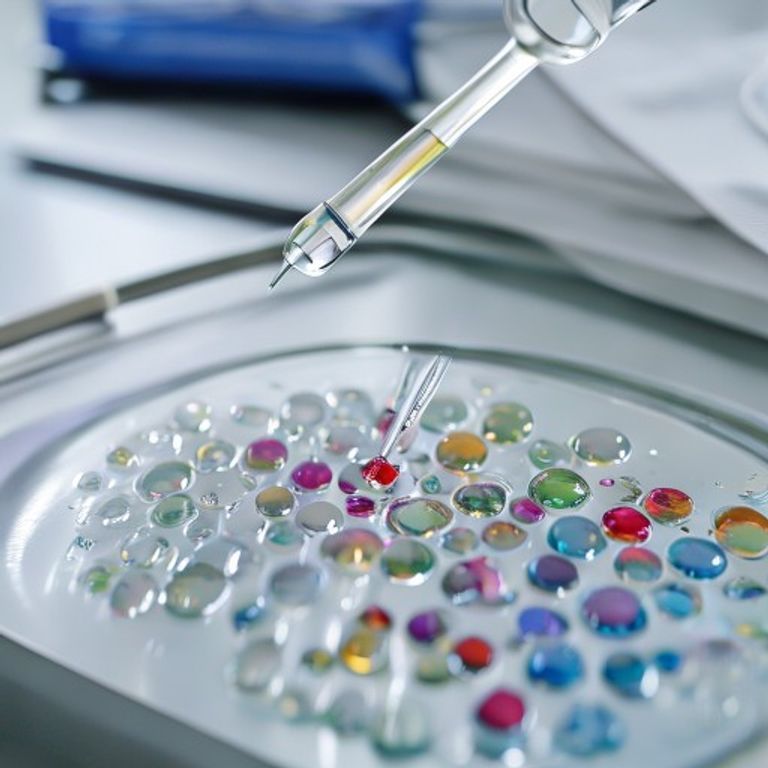
A spot plate is a shallow, multi‑well plate—usually 12, 24, or 48 wells—designed for handling small liquid volumes (typically 10‑200 µL). Compared to a microtiter plate, it’s cheaper, easier to clean, and perfect for quick qualitative tests. You’ll find spot plates in:
- Thin layer chromatography (TLC) sample application
- Microbiology assays (e.g., antibiotic susceptibility)
- High‑throughput screening of reaction conditions
- Simple colorimetric or precipitation tests
Because they come in glass or plastic, you can choose the material based on chemical compatibility and reuse frequency.
How to Use a Spot Plate for Thin Layer Chromatography
Applying samples to a TLC plate is an art, and the spot plate makes it less messy. Follow these steps:
- Prepare the solvent front: Place a TLC plate in a developing chamber with the appropriate solvent.
- Load the spot plate: Pipette 1‑2 µL of each sample into separate wells. Use a clean, disposable tip for each well to avoid cross‑contamination.
- Spot the TLC plate: Gently touch the tip to the baseline of the TLC plate and lift straight up. The capillary action will leave a neat spot.
- Develop and visualize: Let the solvent rise, then dry and inspect under UV or with a staining reagent.
Tip: Keep the distance between spots at least 1 cm to prevent overlapping bands.
Cleaning Procedures for Glass Spot Plates
Glass spot plates are durable but need proper care to avoid scratches and residue buildup. Here’s my go‑to cleaning routine:
- Rinse immediately after use with deionized water to remove bulk liquids.
- Soak in a 10 % aqueous detergent solution for 10 minutes.
- Scrub gently with a soft brush (nylon works well) to dislodge stubborn residues.
- Rinse thoroughly with distilled water until no soap remains.
- Dry by upside‑down air‑drying or using a lint‑free lab wipe.
If you encounter stubborn organic films, a brief soak in a 1 % aqueous ammonia solution followed by a methanol rinse does the trick.
Best Practices for Spotting Samples on a Plastic Spot Plate
Plastic plates are lightweight and disposable, but they can be prone to leaching or warping with harsh solvents. Keep these pointers in mind:
- Check the chemical compatibility chart—avoid strong acids, bases, or organic solvents like chloroform.
- Use low‑retention tips to minimize sample loss.
- Pre‑wet the well with a tiny droplet of the solvent to improve sample spreading.
- Avoid over‑filling; keep volumes under 150 µL to prevent spillage.
Spot Plate Applications in Microbiology Assays
In my microbiology work, spot plates become mini‑Petri dishes for rapid screening. Typical workflow:
- Prepare a sterile agar‑based or liquid medium in each well.
- Spot inoculate with 5‑10 µL of bacterial suspension.
- Incubate at the required temperature (usually 30‑37 °C).
- Read results: clear zones indicate antibiotic activity, while turbidity shows growth.
This method cuts down reagent use and lets you test dozens of conditions on a single plate. For a deeper dive into how spot plates differ from petri dishes, see the article on understanding spot plate purpose.
Troubleshooting Uneven Spots
Uneven or “smudged” spots can ruin your data. Here are the most common culprits and quick fixes:
- Dirty tip or well: Always use a fresh tip and rinse the well between samples.
- Viscous sample: Dilute slightly with a compatible solvent to improve flow.
- Surface tension issues: Add a tiny amount of surfactant (e.g., 0.01 % Tween‑20) to lower surface tension.
- Improper angle: Hold the pipette tip perpendicular to the plate; a tilted approach spreads the droplet.
Safety and Compatibility Tips
Whether you’re handling glass or plastic, safety comes first:
- Wear chemical‑resistant gloves and eye protection.
- Never use cracked glass plates; they can shatter under pressure.
- Store plates upright to prevent cross‑contamination.
- Consult the manufacturer’s chemical compatibility chart before using aggressive reagents.
If you need help selecting the right lab stand for your spot plate setup, check out choosing the right tripod stand for chemistry.
Conclusion
Spot plates may look simple, but they’re incredibly versatile. By mastering proper loading techniques, cleaning routines, and troubleshooting tips, you can boost reproducibility and save both time and reagents. Whether you’re a student just starting out or a seasoned researcher looking for quick assay formats, the spot plate deserves a spot on your bench.
FAQ
Q: Can I reuse plastic spot plates?
A: Generally, plastic plates are designed for single‑use, but if the material is compatible with your solvents and you clean them thoroughly, limited reuse is possible.
Q: What’s the difference between a spot plate and a microtiter plate?
A: Spot plates have shallow wells for qualitative tests, while microtiter plates have deeper wells for quantitative assays and often come with automated readers.
Q: How do I prevent cross‑contamination between wells?
A: Use a fresh pipette tip for each well, and if reusing the same plate, rinse wells with a suitable solvent between samples.
Q: Are there any special storage conditions for glass spot plates?
A: Store them in a clean, dry cabinet away from direct sunlight and extreme temperature fluctuations to avoid stress cracks.
Q: Can spot plates be used for high‑throughput screening?
A: Yes, especially when coupled with automated liquid handling; they’re a cost‑effective alternative to full‑scale microtiter plates for preliminary screens.