À quoi servent les tubes d'essai? Un guide pratique pour chaque laboratoire

Quand nous imaginons un laboratoire scientifique, une des premières pièces de verrerie de laboratoire qui vient souvent à l'esprit est le tube d'essai humble. C'est un vrai cheval de travail, un navire polyvalent qui joue un rôle étonnamment crucial dans d'innombrables activités scientifiques. Mais si vous vous êtes jamais demandé, "qu'est-ce que les tubes d'essai utilisés dans les laboratoires de chimie?" ou quelle est leur fonction principale dans les expériences scientifiques, vous êtes au bon endroit! Nous allons plonger profondément dans les nombreuses utilisations essentielles des tubes d'essai, des réactions chimiques de base aux applications biologiques complexes, et même discuter comment utiliser correctement un tube d'essai pour diverses réactions.
Pour nous dans la communauté scientifique, que nous soyons des chercheurs chevronnés ou que nous commencions simplement notre voyage, comprendre nos outils est fondamental. Le tube d'essai, avec sa conception cylindrique simple et son haut ouvert, peut sembler simple, mais son utilité est tout sauf. Laissez-nous explorer le monde de ce petit mais puissant agrafe de laboratoire!
Réactions à petite échelle : le cœur de la découverte chimique
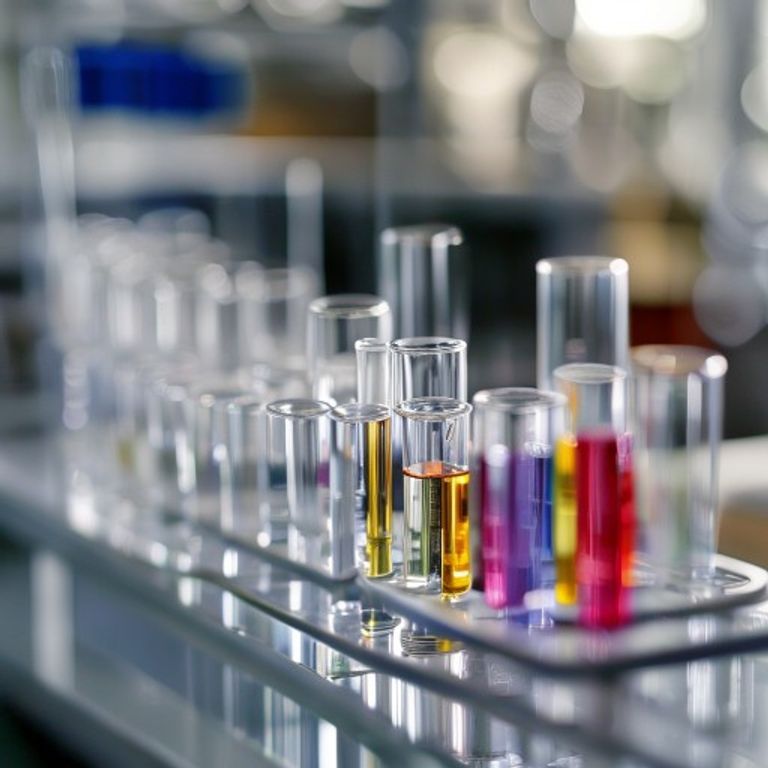
L'une des applications les plus courantes pour les tubes d'essai est la réalisation de réactions chimiques à petite échelle. Imaginez que vous êtes un chimiste qui tente une nouvelle synthèse ou teste différents réactifs. Vous ne voudriez pas utiliser un grand bécher pour quelques millilitres de liquide, non ? Ce serait gaspillé et inefficace. Les tubes d'essai sont parfaits pour cela. Leur diamètre étroit signifie que même de petits volumes de liquide créent une profondeur significative, permettant d'observer clairement les changements de couleur, la formation précipitée ou l'évolution du gaz.
- Mélange de réactifs: Nous les utilisons souvent pour mélanger de petites quantités de produits chimiques pour observer leurs interactions immédiates.
- Analyse qualitative : Ils sont précieux pour les tests qui identifient la présence de certains ions ou composés basés sur des réactions observables.
- Préparation des solutions : Parfois, nous devons préparer de petites quantités précises de solutions pour d'autres expériences.
Préparation et entreposage des échantillons : organiser les choses
Au-delà des réactions, les tubes d'essai sont les champions de l'organisation et Préparation de l'échantillon. Considérez-les comme de minuscules conteneurs robustes conçus pour la rigueur scientifique. Que nous recueillions des échantillons sur le terrain ou que nous les préparions pour une analyse plus complexe, les tubes d'essai gardent tout propre et accessible.
- Collecte d'échantillons : Des échantillons d'eau aux échantillons biologiques, les éprouvettes sont idéales pour la collecte initiale.
- Extraits d'exploitation: En chimie ou en biologie, on extrait souvent des substances d'un mélange, et les tubes d'essai servent d'excellents supports temporaires pour ces extraits.
- Stockage à court terme : Pour les échantillons qui doivent être entreposés pendant une courte période avant d'être analysés, les tubes d'essai avec bouchons ou bouchons sont parfaits. Ils réduisent au minimum l'évaporation et la contamination.
Chauffage et refroidissement : expériences de température contrôlée
Lorsqu'il s'agit de manipuler la température, les tubes d'essai sont étonnamment résistants. Fabriqués typiquement à partir de verre borosilicate (comme Pyrex), ils peuvent résister à des changements de température importants sans fissuration. Cela les rend adaptés à une gamme de expériences scientifiques impliquant la chaleur.
Pour nous, contrôlés échantillons de chauffage est une tâche quotidienne. Nous utilisons souvent un brûleur Bunsen ou un bloc chauffant pour chauffer le contenu d'un tube d'essai. Il est important de se rappeler que lors du chauffage, nous utilisons toujours un support de tube d'essai – jamais nos mains nues! Si vous voulez plonger plus profondément dans les moyens appropriés pour manipuler les matériaux chauffés, explorer dévoiler les utilisations essentielles d'un porte-tube de test dans votre laboratoire est une étape sage pour la sécurité. En outre, Maîtriser la flamme et les utilisations essentielles du brûleur Bunsen dans chaque laboratoire est critique pour un contrôle précis de la température.
- Chauffage doux: Solutions de réchauffement pour augmenter la solubilité ou accélérer une réaction.
- Bouilloire: Porter les liquides à ébullition pour divers procédés chimiques.
- Refroidissement: Immerger les tubes d'essai dans les bains de glace pour ralentir les réactions ou préserver les échantillons.
Applications biologiques : de la culture au diagnostic
Les utilisation courante de tubes d'essai en biologie sont aussi vastes que dans la chimie. En microbiologie, en biologie cellulaire et en biochimie, les tubes d'essai sont indispensables à une multitude de tâches.
- Culture microbienne : Nous les utilisons pour cultiver de petits lots de bactéries, de levures ou d'autres microorganismes dans des milieux liquides.
- Collecte de sang : Dans les milieux médicaux, des tubes d'essai spécialisés (souvent avec des anticoagulants) sont utilisés pour la collecte d'échantillons de sang. analyse chimique et les tests de diagnostic.
- Réactions enzymatiques: Les essais biologiques ont souvent lieu dans des tubes d'essai, où les enzymes interagissent avec les substrats dans des conditions contrôlées.
- Extraction d'ADN/ARN: De nombreuses étapes des protocoles de biologie moléculaire, comme l'extraction de l'ADN, impliquent le mélange de réactifs dans les tubes d'essai.
Différents types de tubes d'essai et leurs applications
Il est intéressant de noter que "tube d'essai" n'est pas un terme à taille unique. Il y a différents types de tubes d'essai et leurs applications varier. Alors que la forme de base est universelle, il existe des variations:
- Tubes d'essai standard: Nos héros quotidiens, généralement avec un fond arrondi, bon pour les réactions générales et le chauffage.
- Tubes de culture : Ils sont souvent munis de bouchons à vis, ce qui les rend idéales pour le stockage stérile à long terme et les cultures microbiennes.
- Tubes à centrifugeurs: Ils ont un fond conique pour concentrer les solides lors de la centrifugation et sont conçus pour résister à des forces g élevées.
- Tubes d'allumage: Fabriqué en verre plus résistant, conçu pour le chauffage fort des solides, souvent sans lèvre.
Manipulation et sécurité appropriées : un impératif pour chaque scientifique
Savoir Comment utiliser correctement un tube d'essai pour les réactions Il ne s'agit pas simplement d'obtenir l'expérience juste ; il s'agit de sécurité. Toujours :
- Portez l'équipement de protection individuelle approprié (EPI), comme les lunettes de sécurité.
- Utiliser un porte-tube lors du chauffage.
- Pointez l'extrémité ouverte du tube d'essai loin de vous et des autres lors du chauffage ou du mélange pour éviter les éclaboussures.
- Ne pas remplir les tubes d'essai plus des deux tiers pleins lors du chauffage des liquides afin d'éviter l'ébullition.
- Inspecter les tubes d'essai pour les fissures ou les copeaux avant utilisation.
Kesimpulan
Voilà ! Le tube d'essai sans prétention est bien plus qu'un simple cylindre en verre. Il est une pierre angulaire de la science moderne, facilitant tout, des découvertes chimiques fondamentales à la recherche biologique vitale et le diagnostic médical. Sa polyvalence, combinée à notre manipulation soignée et appropriée, garantit qu'elle demeure un outil indispensable dans chaque laboratoire. La prochaine fois que vous en verrez un, nous espérons que vous apprécierez son rôle puissant petit mais significatif dans expériences scientifiques!
FAQ
Quelle est la fonction principale d'un tube d'essai?
La fonction principale d'un tube d'essai est de retenir et de mélanger de petites quantités de liquides ou de solides pendant les essais chimiques ou biologiques. expériences scientifiques. Ils sont idéaux pour observer les réactions, les échantillons de chauffage et le stockage à court terme.
Les tubes d'essai peuvent-ils être chauffés directement?
Oui, la plupart des tubes d'essai standard sont fabriqués en verre borosilicaté et peuvent être chauffés directement sur une flamme de brûleur Bunsen ou dans un bloc chauffant. Cependant, nous devons toujours utiliser un support de tube d'essai et nous assurer que l'ouverture est pointée loin des gens.
Tous les tubes d'essai sont-ils les mêmes?
Non, bien qu'ils aient une forme de base similaire, il existe différents types de tubes d'essai conçus pour des applications spécifiques. On peut citer par exemple les tubes de culture à capuchons pour la microbiologie, les tubes de centrifugation conique pour la séparation des solides et les tubes d'allumage pour les réactions à haute température avec des solides.
Comment nettoyer les tubes d'essai après utilisation?
Après utilisation, nous nettoyons généralement les tubes d'essai en les rinçant soigneusement à l'eau, souvent à l'aide d'un pinceau et d'un détergent pour éliminer les résidus. Ils sont ensuite rincés à nouveau avec de l'eau distillée et laissés sécher à l'air, généralement inversés sur un séchoir.