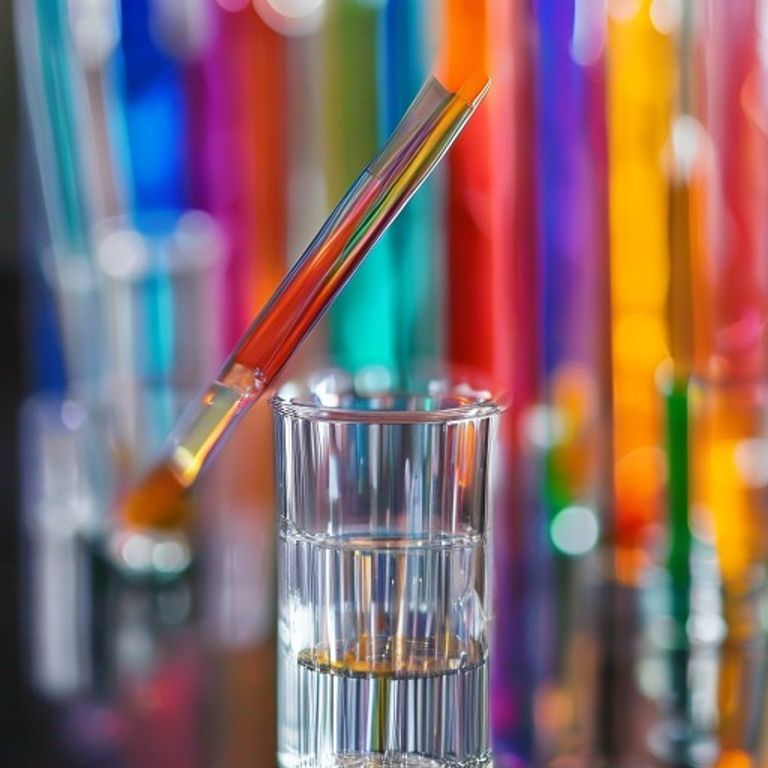
Dévoilement du Héros Unsung: Pourquoi chaque artisan et scientifique a besoin d'une barre de verre

Avez-vous déjà remarqué ces outils simples, souvent négligés qui font tranquillement beaucoup de levage lourd dans différents champs? Un de ces éléments est l'humble Barre en verre. Nous pourrions le voir dans un laboratoire, en remuant doucement un bécher, ou peut-être dans un studio d'artiste, se transformant en quelque chose de beau. Aujourd'hui, nous allons plonger profondément dans le monde des barres de verre, explorant leur incroyable polyvalence, du travail scientifique précis aux magnifiques créations artistiques.
Pour moi, une tige en verre est comme un caméléon – elle s'adapte parfaitement à son environnement. Il peut être un instrument de précision dans une main de chimiste, une toile fondue pour un lampadaire, ou même un outil pratique pour un passionné de bricolage. Laissez-nous découvrir pourquoi ce morceau de verre apparemment simple est si indispensable et comment il affecte notre vie quotidienne d'une manière que nous pourrions ne pas réaliser.
Qu'est-ce que c'est exactement une tige en verre ?
À son cœur, une tige de verre est simplement un morceau cylindrique de verre, généralement solide, mais parfois creux pour des applications spécifiques. Mais toutes les barres de verre ne sont pas égales ! Lorsque nous parlons de qualité et de polyvalence, nous nous référons souvent à borosilicate du verre. Ce type de verre est un vrai champion en raison de son excellente résistance aux chocs thermiques et à l'inertie chimique.
Pensez au verre borosilicate comme le "homme dur" du monde du verre. Il est beaucoup plus résistant aux changements soudains de température que le verre ordinaire. C'est super important dans des endroits comme les laboratoires, où nous pourrions avoir besoin de chauffer les liquides rapidement ou de mélanger des substances chaudes et froides. Sa durabilité et sa résistance aux produits chimiques signifient qu'il ne réagit pas avec les substances que nous manipulons, en maintenant nos expériences sûres et précises. Cette qualité résistante à la chaleur en fait un choix privilégié pour de nombreuses applications.
Les nombreuses vies d'une tige en verre : du Lab au Art Studio
Le cheval de travail de laboratoire
Quand nous imaginons un laboratoire de chimie, il y a des chances que nous voyions une barre de verre en action. Son rôle principal ici est de Barre de brassage. Nous l'utilisons pour mélanger des solutions, en veillant à ce que les réactions soient uniformes et complètes. Il est fantastique pour cela parce que, comme nous l'avons mentionné, il est non-réactif et facile à nettoyer. Au-delà de l'agitation, nous utilisons aussi des barres de verre pour décanter les liquides, aidant à guider une coulée pour prévenir les déversements, et parfois même pour briser les précipités.
Imaginez essayer de mélanger une solution chimique délicate avec une cuillère en métal – elle pourrait réagir et ruiner l'expérience! C'est pourquoi la nature non réactive du verre est un changement de jeu. Il est simple, efficace et absolument essentiel pour maintenir la pureté et l'intégrité de nos travaux de laboratoire. De l'orientation des liquides au mélange complet, la compréhension de ces utilisations essentielles de la tige de brassage dans chaque laboratoire nous aide à apprécier son efficacité silencieuse.
Une toile pour les artistes: Barres en verre massif pour les projets d'art
Mais les barres de verre ne sont pas seulement pour la science sérieuse! Ils ont une vie vibrante dans le monde de l'art aussi. Utilisation par les artistes barres en verre massif pour projets d'art comme le travail de la lampe, aussi connu comme le travail de la flamme. Ici, l'artiste chauffe et façonne le verre à l'aide d'une torche, transformant des tiges en verre uni en perles complexes, figurines, voire sculptures délicates. C'est vraiment envoûtant de regarder !
La beauté de cette forme d'art est amplifiée par la disponibilité de barres en verre coloré pour soufflage de verre. Ces tiges viennent dans un éventail étonnant de teintes, permettant aux artistes de créer des pièces vibrantes et multicouches. Considérez-les comme des crayons de verre géants qui peuvent être fondus et moulés dans n'importe quelle forme imaginable. La tige de verre Borosilicate pour le travail de la lampe est particulièrement populaire en raison de sa durabilité et de la façon dont elle gère la chaleur de la torche.
Handy in the Home: Comment couper la tige de verre à la maison
Parfois, nous pourrions avoir besoin de modifier une tige de verre pour un projet de bricolage spécifique. Si vous vous êtes jamais demandé comment couper la tige de verre à la maison, il est réellement possible avec les bons outils et précautions. C'est un peu comme marquer un morceau de tuile avant de le casser. Vous aurez généralement besoin d'un outil de marquage de verre ou d'une petite scie à hacker avec une lame de carbure, des lunettes de sécurité et des gants. Marquer une ligne propre autour de la tige, puis appliquer doucement, même la pression pour la casser. Rappelez-vous toujours de sabler ou de feu-polis les bords après pour éviter les coupes désagréables!
Où acheter des tringles en verre et d'autres types
Si vous cherchez à obtenir vos mains sur des barres de verre, que ce soit pour des travaux scientifiques ou des activités artistiques, vous êtes dans la chance! Où acheter des baguettes en verre est généralement assez simple. Pour les barres de brassage borosilicate de qualité laboratoire, vous pouvez vérifier les magasins de fournitures scientifiques, les détaillants de matériel de laboratoire en ligne, ou même les grands marchés en ligne comme Amazon. À des fins artistiques, en particulier pour borosilicate tige de verre pour le travail de la lampe ou de barres de verre coloré pour le soufflage de verre, les fournisseurs de verre d'art spécialisé ou les magasins d'artisanat en ligne sont votre meilleur pari.
Lors de l'achat, toujours considérer le type de verre (borosilicate est généralement préféré pour la durabilité et la résistance à la chaleur), le diamètre, et la longueur dont vous avez besoin. C'est une bonne idée de rechercher un peu chimie de base pour les débutants si vous prévoyez de les utiliser dans des expériences, car comprendre les matériaux améliorera votre sécurité et les résultats.
FAQ: Vos questions sur les barres en verre
- Q: Toutes les tiges de verre résistent-elles à la chaleur?
R: Pas tous, mais les tiges en verre borosilicaté sont spécifiquement conçues pour être très résistants à la chaleur, ce qui les rend adaptés pour l'utilisation en laboratoire et le travail des lampes. Les tiges en verre à chaux de soude sont beaucoup plus sujettes aux chocs thermiques. - Q: Puis-je plier une tige de verre à la maison?
R: Le pliage d'une tige de verre nécessite un équipement de chauffage spécialisé (comme une torche) pour atteindre le point d'adoucissement du verre, et souvent l'expérience. Il est risqué et déconseillé de tenter de le faire à la maison sans les outils et les mesures de sécurité appropriés. - Q: Quelle est la différence entre une tige de verre et un tube d'essai?
R: Une tige en verre est solide et cylindrique, principalement utilisée pour remuer ou comme élément structural dans l'art. Un tube d'essai est creux, avec un fond fermé et un haut ouvert, conçu pour contenir de petites quantités de liquide pour les expériences. - Q: Les tiges en verre coloré sont-elles sûres pour l'utilisation en laboratoire?
R: Généralement, non. Les barres de verre colorées contiennent généralement des oxydes métalliques pour la coloration, qui peuvent se lessiver en solutions ou réagir avec des produits chimiques. S'en tenir aux tiges de verre en borosilicate claires pour des applications de laboratoire pour assurer la pureté et la sécurité.
Conclusion
De l'environnement précis d'un laboratoire de chimie, où nous pourrions apprendre chimie de base pour les débutants, au studio animé d'un artiste de verre, la tige de verre prouve sa valeur maintes et maintes fois. C'est un témoignage de la façon dont un design simple, couplé au bon matériau, peut devenir un outil indispensable dans divers domaines. Nous avons vu comment sa nature inerte et sa résistance à la chaleur le rendent parfait pour l'agitation scientifique, tandis que sa malléabilité sous la chaleur permet une expression artistique à couper le souffle.
Ainsi, la prochaine fois que vous repèrez une tige de verre, peut-être que vous allez la regarder avec de nouveaux yeux, en appréciant les innombrables tâches qu'elle accomplit et la polyvalence cachée qu'elle offre. C'est vraiment un héros méconnu, qui permet discrètement des découvertes et suscite la créativité dans le monde entier.