

Dévoilement de la chimie cachée: Pourquoi votre spatule métallique compte plus que vous ne pensez

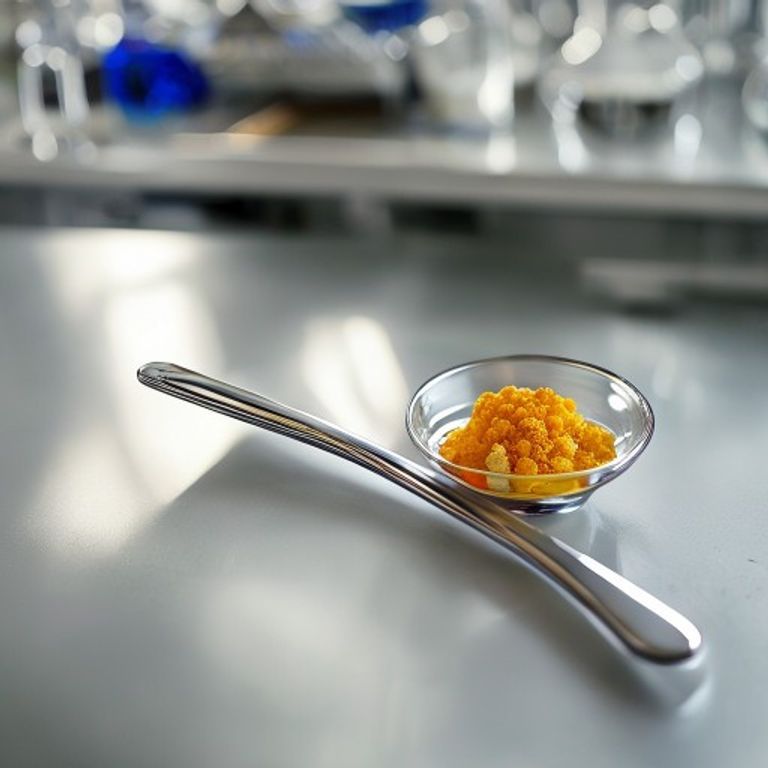
In the bustling world of chemistry, where complex reactions unfold and precise measurements dictate success, we often overlook the most humble of tools. Among them, the metal spatula stands as a ubiquitous, often taken-for-granted, companion. We scoop, stir, and transfer solids with it, barely giving it a second thought. But what if I told you there’s a fascinating layer of chemistry beneath its shiny surface? What happens when your trusted metal spatula interacts with the very chemicals you’re working with? Let’s dive in and explore the intriguing world of metal spatula chemistry!
The Material Matters: Stainless Steel and Its Secrets
Most laboratory metal spatulas are made from stainless steel, a marvel of metallurgy designed for durability and corrosion resistance. But what makes it “stainless”? It’s not magic; it’s chemistry!
Stainless steel typically contains chromium, which is the unsung hero here. When chromium is exposed to air, it reacts with oxygen to form a very thin, invisible, and incredibly stable layer of chromium oxide (Cr₂O₃) on the surface. This process is called passivation. Think of it like a natural, self-healing shield. This passive layer acts as a barrier, preventing further oxidation or corrosion of the underlying iron in the steel. This is why our spatulas don’t rust as easily as regular iron.
- Chromium Content: Higher chromium content generally means better corrosion resistance.
- Nickel : Often added to improve toughness and resistance to certain acids. Common grades like 304 and 316 stainless steel offer different levels of resistance.
When Chemicals Attack: Understanding Corrosion and Reactivity
While stainless steel is fantastic, it’s not invincible. Its resistance depends heavily on the chemical environment. Understanding these interactions is crucial for preventing contamination and ensuring the longevity of our equipment.
1. Acids and Bases
Strong acids, especially those containing halides like hydrochloric acid (HCl), can break down the passive chromium oxide layer. Once this protective layer is compromised, the underlying iron can react, leading to pitting corrosion or general dissolution. Similarly, some strong bases can also be corrosive, though typically less aggressive than strong acids on stainless steel.
Imagine the passive layer as a tiny fortress. A mild acid might just scratch the walls, but a strong, aggressive acid is like a battering ram, eventually breaching the defenses.
2. Oxidizers
Interestingly, some oxidizing acids, like concentrated nitric acid, can actually *enhance* the passive layer, making the spatula even more resistant. However, others, especially at high concentrations or temperatures, can still cause damage by oxidizing the steel itself. It’s a delicate balance!
3. Temperature and Concentration
These two factors are huge game-changers. An acid that might be benign at room temperature and low concentration could become highly corrosive when heated or concentrated. Increased energy (heat) accelerates chemical reactions, including those that lead to corrosion.
Keeping It Clean: Preventing Contamination and Degradation
Beyond corrosion, chemical reactions on our spatula surfaces can lead to contamination. Residues from previous experiments can react with new chemicals, throwing off results or creating dangerous byproducts. This is where meticulous cleaning comes in.
- Nettoyage immédiat : Always clean your spatula immediately after use. Don’t let chemicals dry on the surface, as this can make them harder to remove and increase the chance of etching or staining.
- Proper Washing: Use appropriate detergents and plenty of water. A good scrub with a brush helps remove physical particles and adsorbed chemicals.
- Rincement: Rinse thoroughly with deionized or distilled water to remove any detergent residues or dissolved salts.
- Séchage: Dry your spatula completely. Leaving it wet, especially in environments with aggressive chemicals, can promote corrosion or water spot formation.
Choosing Your Weapon Wisely: The Right Spatula for the Job
Knowing the chemistry helps us make informed decisions. When we need to understand the specifics of spatula selection, function, and safety, we can always refer to Guide essentiel de la fonction des spatules de laboratoire : Utilisations, types et conseils de sécurité. For general lab use, 304 stainless steel is common and perfectly adequate. However, for more demanding applications, like working with highly corrosive chemicals or in environments requiring higher purity, 316 stainless steel is often preferred due to its added molybdenum content, which boosts its resistance to chlorides and other aggressive agents.
Sometimes, metal isn’t the answer at all! For extremely reactive or sensitive substances, we might opt for spatulas made of PTFE (Teflon) or other inert plastics. Always consider the chemical compatibility before diving in.
Conclusion
The humble metal spatula is far more than just a piece of metal; it’s a silent partner in our chemical endeavors, governed by its own set of chemical rules. By understanding the chemistry behind its material, its interactions with various reagents, and the importance of proper care, we can ensure safer experiments, more accurate results, and longer-lasting equipment. So, the next time you pick up your spatula, take a moment to appreciate the fascinating chemistry at play!
FAQ
Q: Can I use any metal spatula for any chemical?
A: No, absolutely not! Different chemicals have varying reactivity with metals. Always check the chemical compatibility of your spatula (usually stainless steel) with the specific chemical you are using to avoid corrosion, contamination, or even dangerous reactions.
Q: Why do some spatulas get pitted or discolored even if they’re stainless steel?
A: Pitting or discoloration often occurs when the passive chromium oxide layer is compromised. This can happen due to prolonged exposure to strong acids (especially those containing chlorides), high temperatures, or inadequate cleaning that leaves corrosive residues on the surface.
Q: How can I tell if my stainless steel spatula is still good to use?
A: Visually inspect it. Look for signs of pitting, rust, deep scratches, or significant discoloration. If the surface is compromised, it could react with chemicals or harbor contaminants. When in doubt, it’s always safer to use a new or different spatula, or one made from a more inert material like PTFE.
Q: Are all stainless steel spatulas the same?
A: No, there are different grades of stainless steel, such as 304 and 316. 316 stainless steel typically offers superior corrosion resistance due to the addition of molybdenum, making it suitable for more aggressive chemical environments than 304 stainless steel. Always check the grade if you’re dealing with demanding applications.