

Guide essentiel de la fonction des spatules de laboratoire : Utilisations, types et conseils de sécurité

Présentation
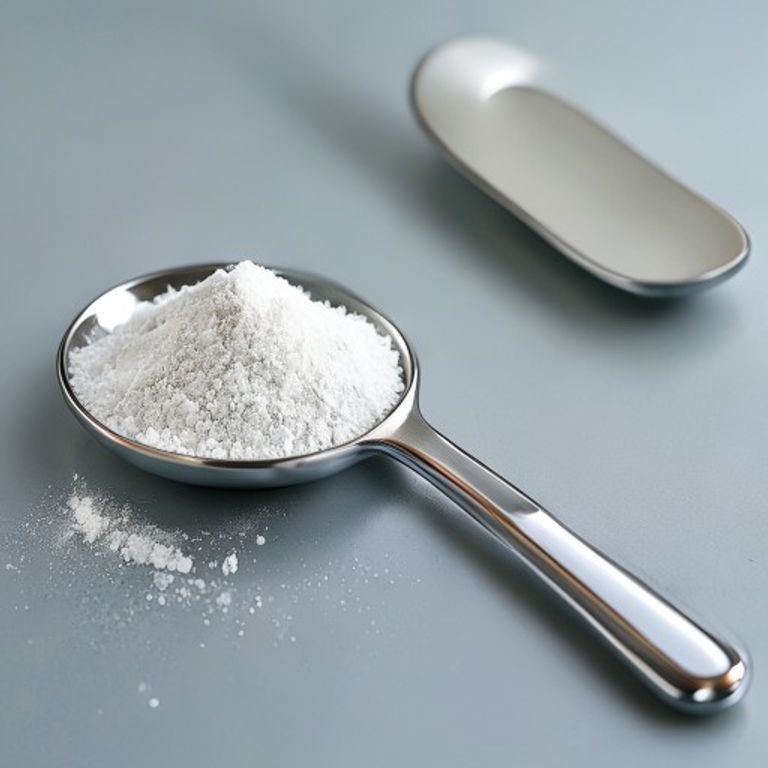
When I first stepped into a chemistry lab, the tiny metal tool that often sits beside the beaker seemed almost insignificant. Yet, that little spatula quickly proved itself as the unsung hero of sample handling. In this article, I’ll walk you through the laboratory spatula function, share common uses, explain how to handle it safely, and explore the different types you’ll encounter in modern research.
Common Uses of Spatulas in Chemistry Labs
Spatulas are the Swiss‑army knives of the bench. Here are the most frequent tasks they help us accomplish:
- Transferring solids: From a weighing boat to a crucible, a spatula ensures precise, spill‑free movement.
- Mixing powders: Gentle stirring of reagents without contaminating the sample.
- Scraping residues: Removing stubborn solids from glassware or drying dishes.
- Portioning reagents: Picking up exact amounts for small‑scale reactions.
How to Use a Lab Spatula for Transferring Chemicals
Even a simple motion can make a big difference in accuracy. Here’s my step‑by‑step routine:
- Choisissez la bonne taille: A small spatula for milligram quantities, a larger one for bulk transfers.
- Grip securely: Hold the handle near the tip for better control.
- Scoop gently: Tilt the container slightly and let the spatula’s edge glide under the solid.
- Transfer smoothly: Move in a single, fluid motion to the target vessel, minimizing exposure to air.
- Tap off excess: Lightly tap the spatula against the side of the receiving vessel to release any remaining particles.
Following these steps helps maintain the purity of your sample and reduces waste.
Different Types of Spatulas and Their Purpose in Laboratories
Not all spatulas are created equal. Selecting the appropriate one can streamline your workflow:
- Stainless‑steel spatulas: Ideal for high‑temperature work and corrosive chemicals.
- Plastic (polypropylene) spatulas: Perfect for delicate organic powders that might react with metal.
- Glass‑tipped spatulas: Used when you need an inert surface for extremely reactive substances.
- Flat vs. curved tips: Flat tips scrape, while curved tips scoop more efficiently.
Specific Applications of Spatulas in Scientific Research
Beyond routine bench work, spatulas play pivotal roles in specialized experiments:
- Nanomaterial synthesis: Precise handling of nanogram quantities without contamination.
- Pharmaceutical formulation: Accurate dosing of active ingredients during tablet compounding.
- Environmental analysis: Collecting soil or sediment samples for trace‑metal testing.
- Organic synthesis: Transferring hygroscopic reagents that must avoid moisture.
If you’re curious about broader chemistry fundamentals, check out this introduction to basic chemistry for a solid foundation.
Safe Handling Practices for Laboratory Spatulas
Safety is never optional, even with a seemingly harmless tool. Here are my go‑to precautions:
- Porter l'EPI approprié: Gloves and safety glasses protect you from splashes.
- Label and store separately: Keep metal and plastic spatulas in distinct compartments to avoid cross‑contamination.
- Nettoyer après chaque utilisation: Rinse with suitable solvent, then dry to prevent residue buildup.
- Inspect for damage: Cracks or bent tips can harbor contaminants.
- Dispose of single‑use spatulas responsibly: Follow your lab’s waste segregation guidelines.
Conclusion
From scooping a few milligrams of catalyst to scraping the last trace of a precipitate, the laboratory spatula function is central to accurate, efficient, and safe chemistry work. By choosing the right type, mastering proper technique, and adhering to safety protocols, you’ll turn this modest instrument into a powerful ally. And if you want to dive deeper into mastering this tool, read more about mastering your chemistry lab spatula.
FAQ
Q: Can I use a metal spatula with highly reactive acids?
A: Generally no. Metal can react with strong acids; opt for a PTFE‑coated or glass‑tipped spatula instead.
Q: How do I prevent cross‑contamination between different chemicals?
A: Use dedicated spatulas for each reagent or clean thoroughly between uses with an appropriate solvent.
Q: Are disposable plastic spatulas suitable for quantitative work?
A: They can be used for approximate transfers, but for high‑precision weighing, a stainless‑steel spatula with a calibrated tip is preferred.
Q: What size spatula should I use for micro‑scale reactions?
A: A mini‑spatula (≈10 mm tip width) offers the control needed for sub‑milligram handling.
Q: Is it safe to sterilize metal spatulas in an autoclave?
A: Yes, stainless‑steel spatulas tolerate autoclave temperatures, but plastic ones may melt.