

Dévoilement du Mystère : Quelle est la fonction fondamentale d'un tube de microcentrifuge ?

Dévoilement du Mystère : Quelle est la fonction fondamentale d'un tube de microcentrifuge ?
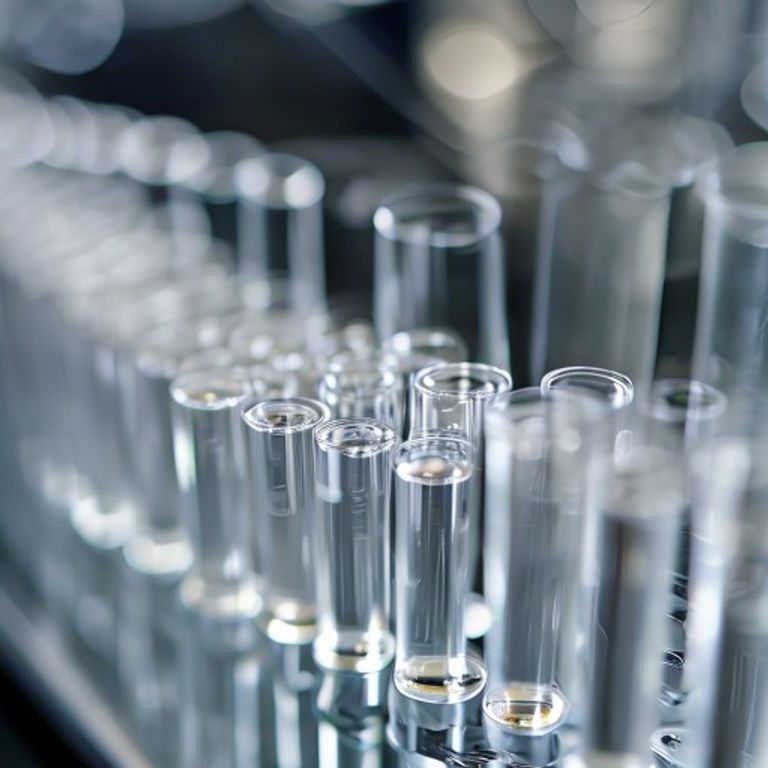
Have you ever walked into a laboratory and noticed those tiny, often transparent, plastic tubes, usually with a snap-cap? They might seem insignificant, almost like miniature test tubes, but believe me, these unassuming vessels are the unsung heroes of countless scientific breakthroughs. We’re talking about microcentrifuge tubes, often affectionately called “Eppendorf tubes” after a popular brand. Today, we’re going to dive deep into the fascinating world of these small but mighty lab essentials and understand their crucial role. So, what exactly is the function of a microcentrifuge tube, and why are they so indispensable in modern science?
The Core Purpose: Why These Tiny Tubes Matter
At its heart, the primary purpose of microcentrifuge tubes is to hold, mix, and, most importantly, spin down very small volumes of liquid samples. Think of them as specialized containers designed to handle anywhere from 0.2 mL to 2.0 mL of precious biological or chemical samples. In a lab, every drop counts, especially when dealing with expensive reagents, DNA, RNA, proteins, or rare patient samples. Their small size minimizes waste and maximizes efficiency, making them perfect for molecular biology, biochemistry, and clinical diagnostics.
How They Work Their Magic: The Role of Centrifugation
The name “microcentrifuge tube” gives us a huge clue about their main utility: centrifugation. Imagine you have a glass of muddy water. If you let it sit, eventually the mud will settle at the bottom due to gravity. Centrifugation is like supercharging that process. A microcentrifuge machine spins these tubes at incredibly high speeds, creating a centrifugal force thousands of times stronger than gravity. This force rapidly separates components of a liquid sample based on their density and size. Heavier particles, like cell pellets, DNA precipitates, or protein aggregates, are pushed to the bottom of the tube, forming a “pellet,” while the lighter liquid, called the “supernatant,” remains above.
Microcentrifuge tubes are specifically designed to withstand these extreme forces. They are typically made from durable, high-quality polypropylene plastic, which is chemically resistant and robust. Their conical bottom ensures that even the tiniest pellet collects in a concentrated spot, making it easy for us to aspirate the supernatant without disturbing the separated material. This precise separation is a cornerstone of almost any separation process in the lab, from isolating DNA to purifying proteins, highlighting the diverse approaches to isolating substances.
Beyond Centrifugation: Versatile Lab Workhorses
While centrifugation is a major act, microcentrifuge tubes are far from one-trick ponies. They are incredibly versatile laboratory consumables used for a wide array of tasks:
- Stockage des échantillons : Their secure snap-caps or screw caps make them ideal for short-term and long-term storage of samples, even at ultra-low temperatures in freezers (down to -80°C).
- Mélange de réactifs: We use them constantly for preparing reaction mixes, diluting samples, or simply mixing different reagents together before an experiment.
- PCR and DNA/RNA Extraction: Many molecular biology protocols, such as Polymerase Chain Reaction (PCR), DNA extraction, and RNA purification, are performed entirely within these small tubes due to their precise volume capacity and ability to withstand temperature changes.
- General Sample Handling: From pipetting small amounts of liquids to simply transferring samples between containers, these tubes are our go-to for almost any small-scale liquid handling task.
Essentially, how microcentrifuge tubes are used in labs stretches across nearly every discipline, from academic research to clinical diagnostics.
Benefits for Researchers: Precision in Small Samples
The benefits of using microcentrifuge tubes for small samples are numerous. They allow us to work with minimal sample volumes, which is crucial when samples are precious or limited. This also means less reagent usage, leading to significant cost savings over time. Their small footprint saves space in centrifuges, freezers, and on the workbench. Moreover, their design minimizes sample evaporation and cross-contamination, ensuring the integrity and reliability of our experimental results. When we talk about the role of microcentrifuge tubes in sample processing, it’s about enabling precision and efficiency on a microscopic scale.
Choosing the Right Tube: A Quick Guide
While they all look similar, there are variations! We often choose tubes based on:
- Volume 0.2 mL, 0.5 mL, 1.5 mL, 2.0 mL are common.
- Type de bouchon: Snap-cap for easy access, screw-cap for more secure, long-term storage or high-pressure applications.
- Matérielle Standard polypropylene, but also specialized plastics for extreme chemical resistance or clarity.
- Stérilisation: Often supplied pre-sterilized for sensitive applications like cell culture or molecular biology.
- Color: Clear is standard, but amber tubes are used for light-sensitive samples.
Conclusion
From the bustling molecular biology lab to the quiet corners of clinical diagnostics, microcentrifuge tubes are indispensable. Their simple yet robust design empowers researchers to perform critical tasks like centrifugation, sample storage, and mixing with unparalleled precision and efficiency for small volumes. They embody the principle that sometimes, the smallest tools make the biggest impact. Next time you see one, you’ll know it’s not just a tiny tube; it’s a vital component driving scientific discovery forward, one precisely processed sample at a time.
Foire aux questions (FAQ)
Q1: Are all microcentrifuge tubes the same?
A: No, while they share a similar basic design, they vary in volume (0.2 mL to 2.0 mL), cap type (snap-cap vs. screw-cap), material, and whether they are sterile or not. Choosing the right tube depends on your specific application.
Q2: Can I reuse microcentrifuge tubes?
A: Generally, no. Most microcentrifuge tubes are designed for single-use to prevent cross-contamination and ensure the integrity of your samples and experiments. Reusing them can compromise results and introduce contaminants.
Q3: What’s the difference between a microcentrifuge tube and a regular test tube?
A: Microcentrifuge tubes are much smaller, designed for volumes typically under 2 mL, and are built to withstand the high g-forces of a microcentrifuge, often with a conical bottom for pellet collection. Regular test tubes are larger, used for larger volumes, and generally not designed for high-speed centrifugation.