

Le Héros Unsung: Dévoiler le véritable but d'un bécher dans votre laboratoire

Lorsque nous entrons dans un laboratoire scientifique, une pièce d'équipement attire souvent notre attention presque immédiatement : le bécher. C'est tellement omniprésent, si commun, que nous pourrions le considérer comme acquis. Mais avez-vous déjà pensé à son vrai rôle ? Quel est le but principal d'un bécher de laboratoire, vraiment? Beaucoup d'entre nous pourraient instinctivement penser, "Oh, c'est pour mesurer les liquides!" Bien qu'il ait des marques, cela est en fait l'une des plus grandes idées fausses. Aujourd'hui, nous plongeons profondément dans le monde fascinant de cette pièce polyvalente verrerie de laboratoire et vraiment comprendre sa fonction première et pourquoi elle est une partie indispensable de presque toutes les expériences scientifiques.
Pensez à un bécher non pas comme une tasse de mesure précise, mais plutôt comme un bol de mélange à usage général ou une casserole dans votre cuisine. De même que vous ne feriez généralement pas utiliser votre tasse de mesure pour faire bouillir l'eau ou mélanger une pâte à gâteau, un bécher n'est pas conçu pour des mesures exactes du volume. Sa force réside dans sa capacité d'adaptation et sa résilience.
L'identité de base du Béaker : pourquoi il existe
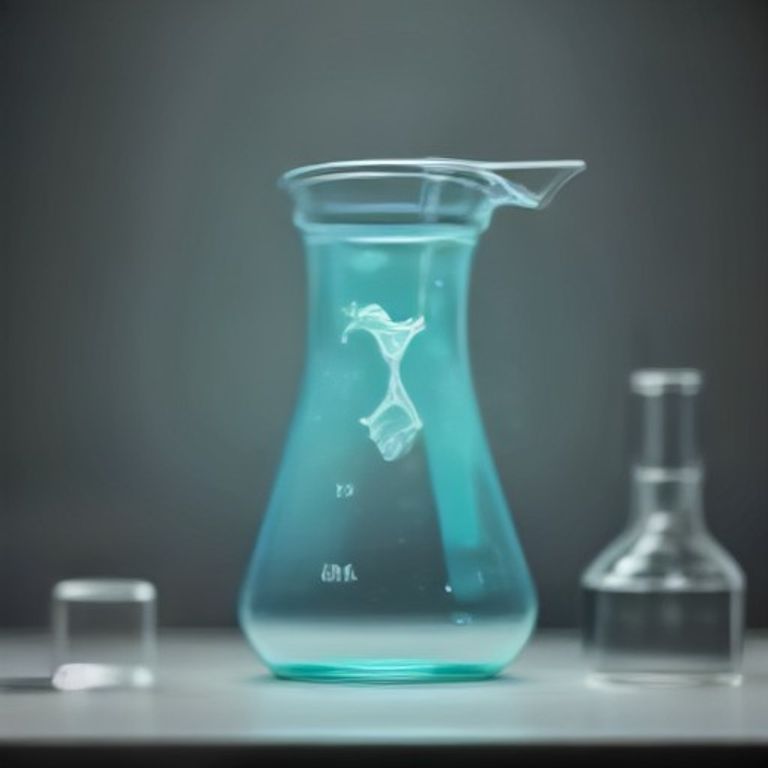
Dans son cœur, le but d'un bécher est incroyablement large et pratique. Contrairement à cylindre gradué ou une fiole volumétrique, conçue pour la précision, est construite pour la polyvalence. Sa grande bouche, ses côtés droits et son bec de coulée le rendent idéal pour une multitude de tâches où les volumes approximatifs sont suffisants, ou où la tenue, le mélange ou le chauffage sont les principaux objectifs. Le but le plus courant d'un bécher est simplement de contenir des liquides ou des solides pendant les expériences.
Un regard plus étroit sur ses nombreuses utilisations
Laissez-nous explorer certaines des utilisations communes des béchers dans les expériences scientifiques qui mettent en évidence son importance:
- Gestion et stockage des solutions chimiques : C'est peut-être son rôle le plus fondamental. Que vous ayez besoin de maintenir temporairement un réactif, de recueillir un filtrat ou simplement de stocker une solution pour une courte période, le bécher est votre navire. Ils sont de différentes tailles, allant de minuscules 5 mL à des capacités massives de 10 000 mL, ce qui nous permet de gérer différentes quantités. Saviez-vous qu'il y a utilisation essentielle du bécher en plastique qui offrent différents avantages par rapport au verre?
- Réactions de mélange et de stirring: La large ouverture d'un bécher est parfaite pour un accès facile, ce qui rend incroyablement simple d'ajouter différentes solutions chimiques ensemble et de les remuer efficacement à l'aide d'une tige de brassage. Vous pouvez même utiliser des agitateurs magnétiques et remuer des barres à l'intérieur d'un bécher, ce qui en fait un excellent vaisseau de réaction pour les processus de synthèse ou de dissolution.
- Matières de chauffage et de refroidissement: La plupart des béchers en verre de laboratoire sont fabriqués en verre borosilicate (comme Pyrex ou Kimax), qui est conçu pour résister aux chocs thermiques. Cela signifie que nous pouvons chauffer des solutions en toute sécurité sur un brûleur Bunsen, sur une plaque chaude ou dans un manteau chauffant. Inversement, leur construction robuste leur permet également d'être utilisés dans les bains de glace ou les réfrigérateurs à des fins de refroidissement.
- Mesures simples (Mais avec une prise!): This is where the confusion often lies. Beakers do have volume markings (graduations) on their side. However, these markings are approximate, typically with an accuracy of ±5% or more. So, why are beakers used for measuring liquids if they aren’t precise? They are useful for estimating volumes, for example, when you need “about 100 mL” of water, or to visually track volume changes. For accurate measurements, we always turn to tools like cylindres gradués or volumetric flasks.
- In Titration Setups: While an Erlenmeyer flask is often preferred for titration due to its narrow neck that minimizes splashes, a beaker can also serve as the reaction vessel, especially for larger volumes or when stirring requires more space. Its wide mouth allows easy addition of reagents and indicator solutions.
- Évaporation: Due to their wide mouth, beakers are also commonly used to allow liquids to evaporate. The larger surface area exposed to the air facilitates faster evaporation compared to vessels with narrower openings.
Beaker vs. Les outils de précision
To truly grasp the beaker’s purpose, it’s crucial to understand its distinction from other laboratory equipment. Imagine you’re baking. A beaker is your general mixing bowl – great for combining ingredients, heating, or just holding things. A graduated cylinder is like your precisely marked liquid measuring cup, ensuring you add exactly 250 mL of milk. A volumetric flask? That’s for when you need to prepare a solution with an extremely accurate, specific final volume, like making a standard solution for an analytical test. Each piece of verrerie de laboratoire has its unique, crucial role!
Conclusion
So, the next time you see a beaker in the lab, remember it’s far more than just a simple glass container. Its primary function is one of incredible versatility: holding, mixing, heating, and transferring liquids and solids, all while providing an approximate visual of volume. It’s the workhorse of the lab, a tool that supports countless scientific explorations by simply being reliable and adaptable. Without this unsung hero, our laboratory work would certainly be a lot more challenging and far less efficient!
FAQ sur les utilisations des béchers
Q1 : Est-ce qu'un bécher est utilisé pour une mesure précise du volume?
A: No, beakers are not designed for accurate volume measurement. Their markings are approximate, typically accurate to about ±5%. For precise measurements, you should use a graduated cylinder or a volumetric flask.
Q2: Puis-je chauffer les liquides dans un bécher en verre?
A: Yes, most laboratory glass beakers are made from borosilicate glass, which is highly resistant to thermal shock. This makes them suitable for heating liquids over a Bunsen burner, on a hot plate, or in a heating mantle.
Q3: Quelle est la différence entre un bécher et un flacon Erlenmeyer?
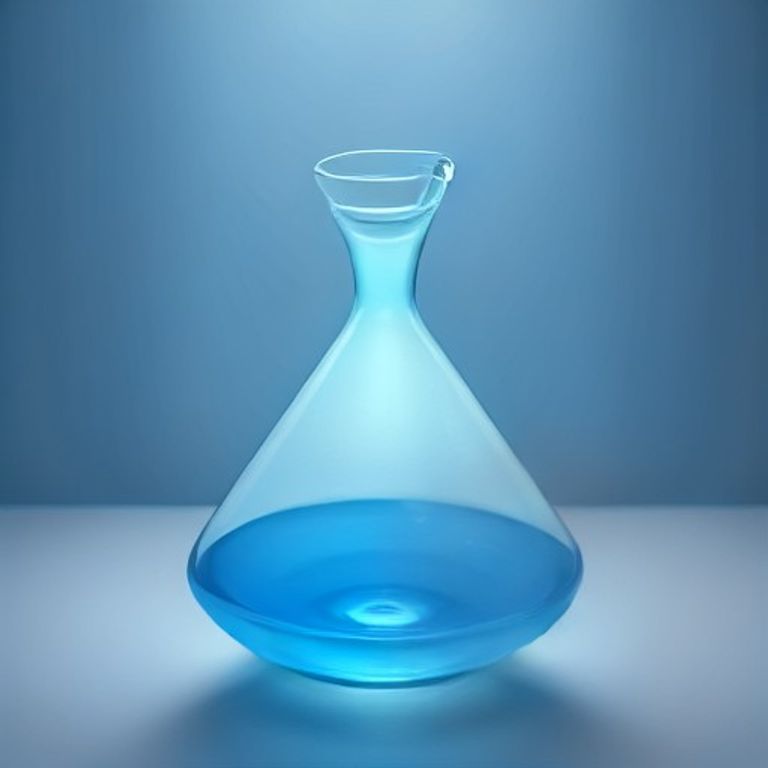
A: A beaker has straight sides and a wide mouth, making it easy to pour and stir. An Erlenmeyer flask has a conical shape with a narrow neck, which reduces evaporation and splashing, making it ideal for titrations and boiling liquids without significant loss.
Q4: Pourquoi les béchers ont-ils un petit bec?
A: The small spout, or “pouring lip,” on a beaker is designed to facilitate easy and controlled pouring of liquids, helping to prevent drips and spills.